 EN
EN

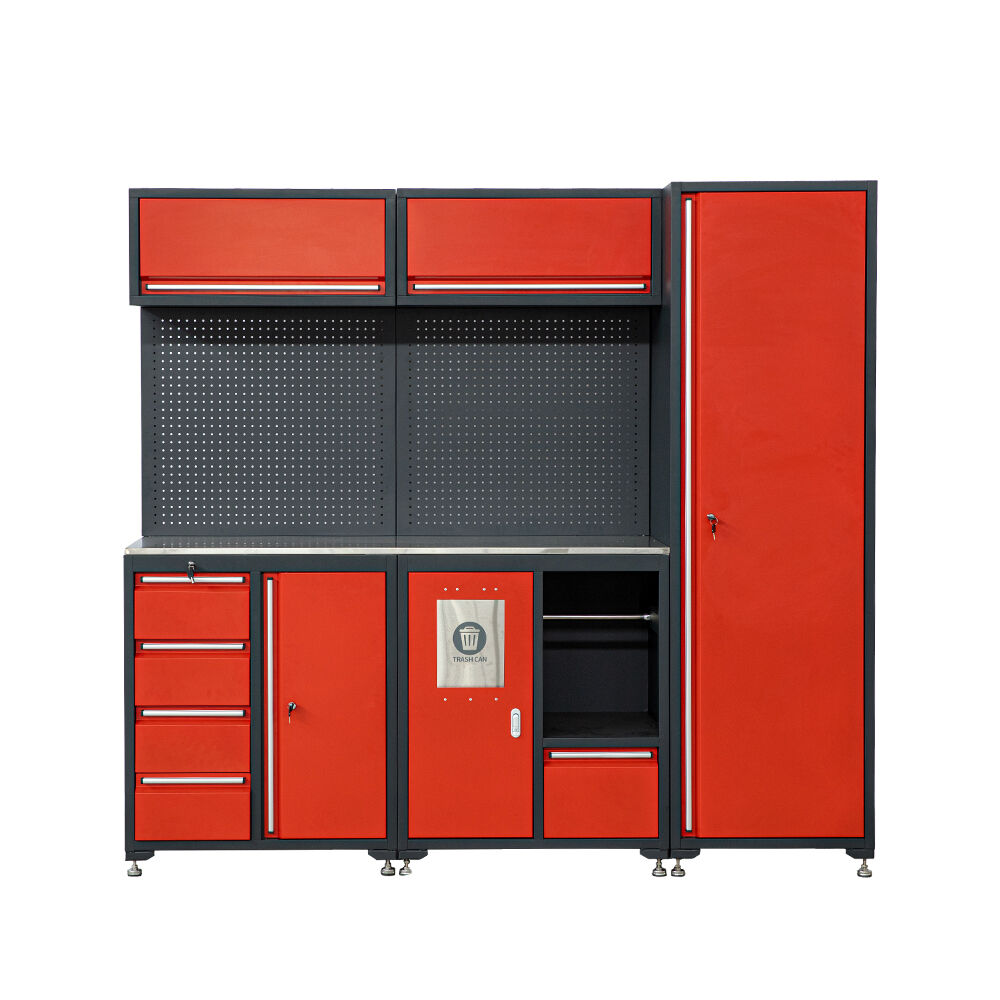
Why Choose a Metal Cabinet Over Wood or Plastic?
The materials we pick for storage solutions really matter when it comes to how long they last, their safety record, and overall performance - particularly where conditions get tough. Take wood for instance, it tends to expand about 5 to 15 percent when humidity rises and gets warped easily by moisture. Plastic isn't much better either since it tends to crack when hit hard or loaded down heavily, usually breaking under weights around 30 to 40 percent less than what steel can handle according to recent industry reports on materials. That's why metal cabinets stand out so clearly in terms of benefits:
- Unmatched Durability: Steel withstands 3–5× more force before deformation than wood or plastic
- Moisture & Fire Resistance: Impervious to water damage and non-combustible above 300°C
- 100% Recyclability: Eliminates landfill dependency—unlike plastic, which requires specialized processing
For industrial facilities, manufacturing plants, or high-traffic operations, metal’s structural resilience ensures decades of maintenance-free service—securing tools, documents, and hazardous materials where lesser materials risk safety and compliance.
Key Features That Define High-Performance Metal Cabinets
Gauge Thickness and Structural Integrity
The steel gauge basically tells us about how much weight something can hold and how sturdy it will be. The numbers work backwards though - smaller gauge numbers actually mean thicker, stronger steel. For example, cabinets made with 18 gauge steel can handle over 1200 pounds on each shelf, while those at 22 gauge fall short of 500 pounds maximum. When dealing with really heavy stuff, professionals typically go for steel rated at 16 gauge or better. These heavier duty options come with extra features too: reinforced corners, solid welds between panels, and cross bracing throughout the frame. This construction prevents what's called "racking" when heavy loads cause structural deformation. Such cabinets make sense for workshops storing machine parts or warehouses holding large quantities of goods where stability matters most.
Locking Mechanisms and Security Ratings
When it comes to security solutions, ordinary storage cabinets become essential components of facility operations. The top tier security options come equipped with either triple bolt deadlocks or electronic keypads that leave an audit trail behind them. These locking mechanisms are built to stand up against forced entry attempts for over ten minutes according to ASTM F2897 standards. For facilities dealing with fire hazards, there are special versions rated for UL Class 350 protection. This means contents inside can stay safe from extreme temperatures reaching 1700 degrees Fahrenheit for anywhere between one hour to an hour and a half. Facilities handling chemicals often require something even more secure though. That's where dual key custody systems come into play, making sure only authorized personnel get access while keeping everything compliant with OSHA regulations throughout the process.
Finish Types and Corrosion Resistance
Longevity depends on finish integrity—not just steel thickness. Electrostatic application ensures uniform coverage, while zinc-rich primers inhibit rust formation in fluctuating or corrosive conditions (e.g., solvent exposure, coastal humidity):
| Finish Type | Protection Level | Ideal Environments |
|---|---|---|
| Powder Coating | High scratch/UV resistance | Workshops, garages |
| Epoxy Coating | Chemical/acid resistance | Laboratories, factories |
| Galvanized Steel | Humidity/moisture barrier | Coastal areas, washdown zones |
Matching Metal Cabinet Types to Your Industry Needs
Industrial & Manufacturing: Heavy-Duty Tool and Parts Storage
Factory environments demand 16–18 gauge steel cabinets with reinforced seams and ¥1,000-lb shelf ratings. Deep shelving accommodates oversized tools; electrostatic powder coatings resist oil, grease, and abrasion. Safety lips contain spills and support OSHA compliance—critical where vibration, impact, and frequent access test structural limits.
Healthcare & Labs: Cleanroom-Compliant and Chemical-Resistant Units
Medical and lab settings require seamless 304-grade stainless steel cabinets—NSF-certified for compatibility with bleach, autoclaving, and sterilants. Gasketed doors maintain ISO Class 5 cleanroom integrity, while negative-pressure airflow and integrated drip trays ensure biohazard containment. Rounded corners simplify decontamination and eliminate bacterial harborage points.
Office & Education: Secure Document and Equipment Storage
Administrative spaces benefit from UL Class 350 fire-rated cabinets that protect paper records at 1,700°F for over one hour. Multi-point locking exceeds B-rate security standards for sensitive files. Adjustable, load-rated shelving supports binders, servers, or AV equipment; slim-profile designs maximize floor space. Scratch-resistant finishes retain professional appearance despite daily wear.
Installation, Maintenance, and Long-Term Value of Metal Cabinets
Installing metal cabinets is generally straightforward, usually just needing to anchor them to walls or floors. Maintenance is pretty simple too most of the time all that's needed is regular dusting and maybe applying some rust prevention every now and then. Wood cabinets have their problems termites love them, they rot when wet, and swell in humid conditions. Metal doesn't suffer from these issues at all. According to what many contractors see on job sites, good quality metal storage can last over two decades without major issues, which beats out both wooden and plastic options hands down. The surfaces don't absorb anything either, so they stay free from stubborn stains, lingering smells, and corrosion even in tough environments like factories, hospitals, or places with high moisture levels. All this means companies save money in the long run because they don't need to replace cabinets as often, and the initial cost pays off through years of reliable performance.
FAQ
Why are metal cabinets more durable than wood or plastic?
Metal cabinets, particularly those made of steel, can withstand more force and heavier loads compared to wood or plastic due to their unmatched durability and structural resilience.
Are metal cabinets environmentally friendly?
Yes, metal cabinets are 100% recyclable, reducing landfill dependency unlike plastic options which require specialized processing.
What security features are available for metal cabinets?
Metal cabinets can come with advanced security features such as triple bolt deadlocks and electronic keypads, providing protection against forced entry, and can comply with OSHA regulations for safety.
How does the finish on a metal cabinet affect its longevity?
The finish type such as powder coating or epoxy coating can protect against scratches, chemical exposure, and moisture, thereby enhancing the cabinet's longevity.