 EN

Client Feedback on Our OEM Sheet Metal Tool Cart Line
What should a brand ask when reviewing an OEM sheet metal tool cart? The answer starts with how the cart will be used, assembled, finished, and delivered—not simply how it looks in a catalog. A useful review connects each requirement to an item that can be checked on a drawing, sample, or agreed specification.
Evidence note: No customer feedback, quotations, or completed project details were supplied for this article. The points below are general review questions for a tool cart program, not statements attributed to clients or claims about a completed order. The cover and article illustration are AI-generated concepts, not photographs of actual products.
Start with the tool cart brief
For an OEM brand, a tool cart brief should describe who will use the product and what tools need to travel with it. Will the cart stay near one workbench, or move between work areas? Which items need immediate access, and which should be stored inside? These questions shape the conversation about shelves, drawers, handles, and the overall layout without assuming that every option is available.
Put the intended setting and tool mix in writing before discussing appearance. Separate requirements that are essential from preferences that can be reviewed with the supplier. A drawing or sample can then become a shared reference for the tool cart rather than a substitute for a clear brief. Haiyang Libenli's profile describes sheet metal processing and customized solutions; the scope for a particular project still needs confirmation.
Review access and movement together
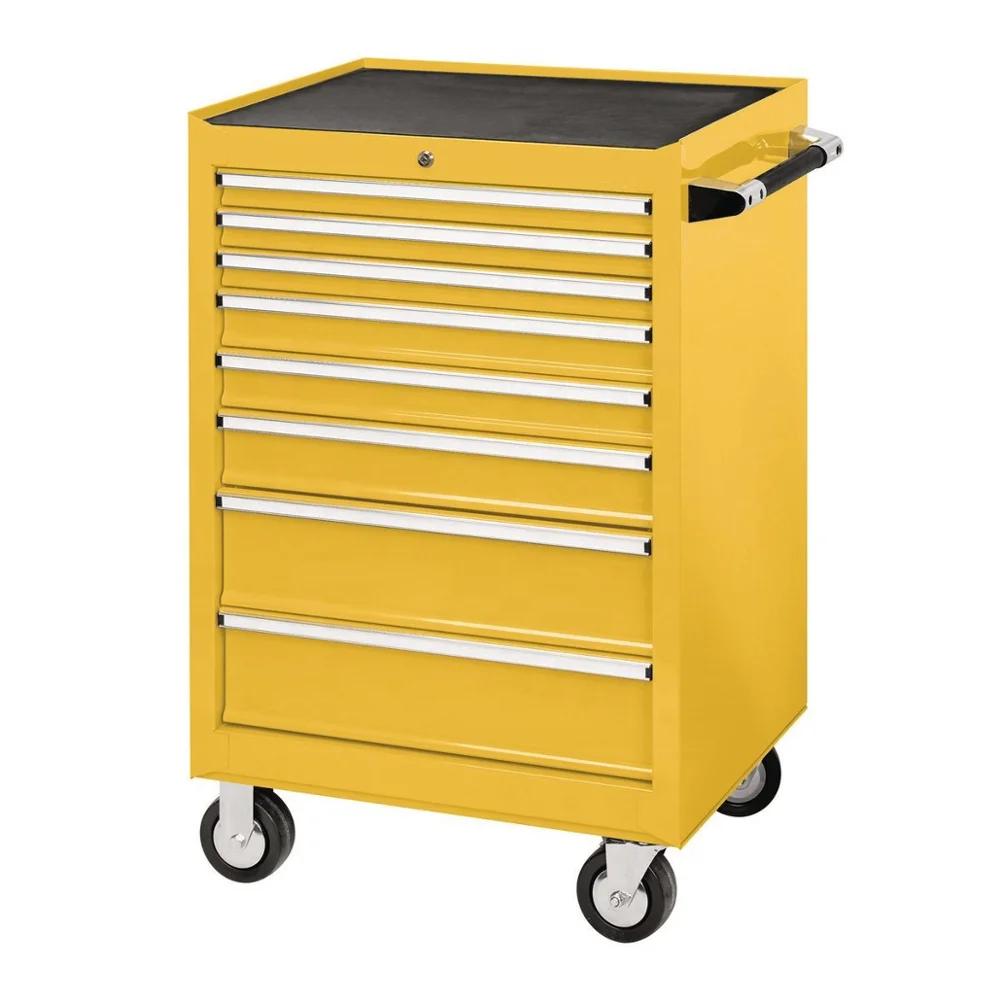
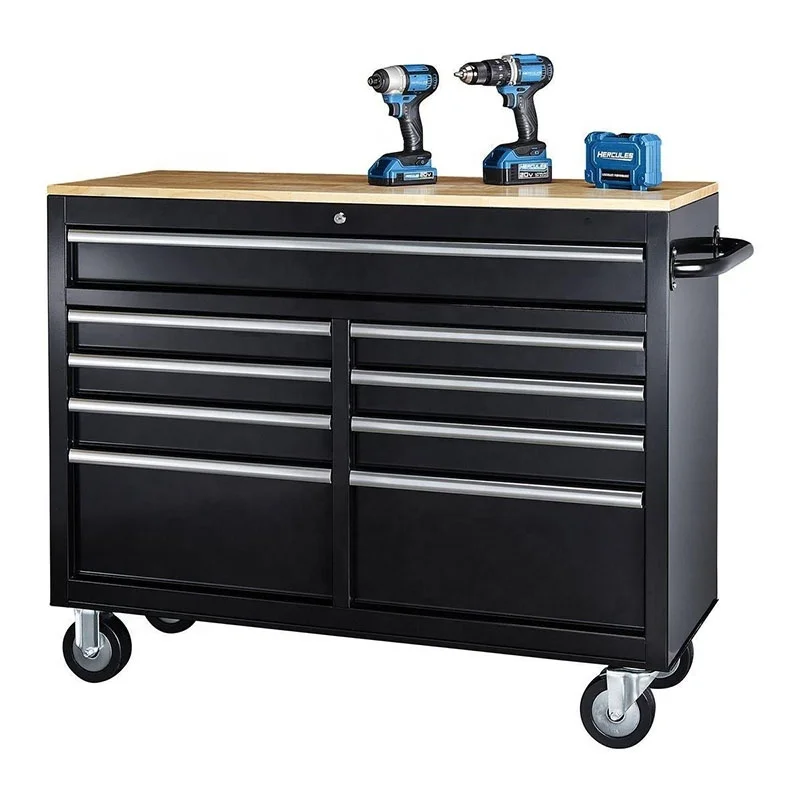
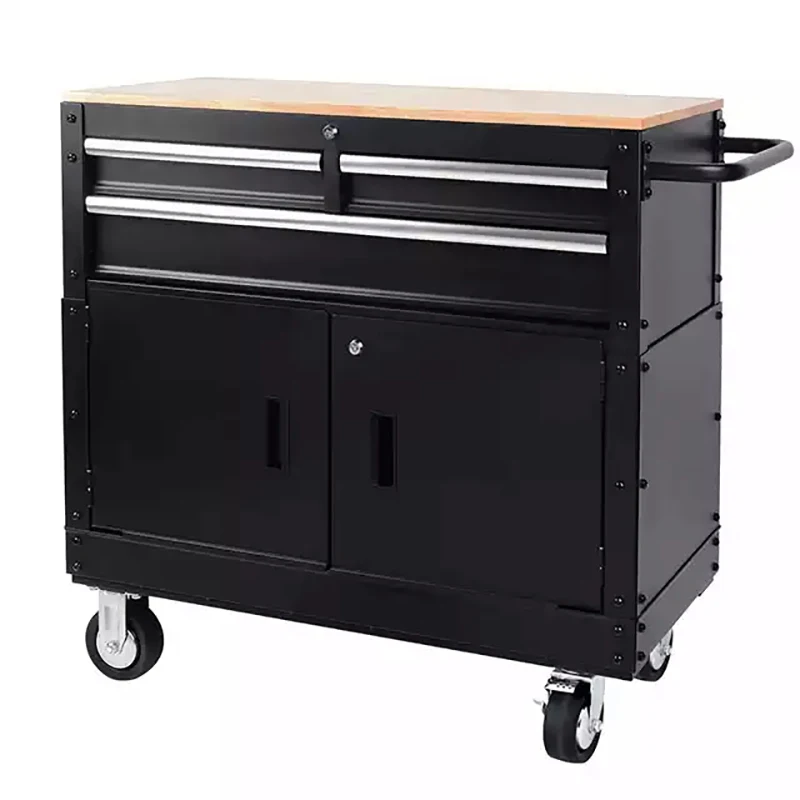
A tool cart is more useful to evaluate as part of a work sequence than as an isolated list of parts. Consider where the cart will be parked, the space needed to open any drawers, and whether a user can reach frequently used tools without moving other items. For an open-shelf layout, ask how loose tools will be organized. For a drawer layout, consider what needs separation and how the contents will be retrieved.
Movement adds another set of questions. Define the floor conditions and paths relevant to the proposed tool cart, then discuss wheel and handle requirements with the supplier. If locking wheels are needed for the intended use, specify that request rather than assuming they are included. Review the cart's stability and safe operation against an agreed test or product specification; neither capacity nor performance should be inferred from a photo.
Translate sheet metal requirements into review points
For a sheet metal tool cart, the brand and supplier need a common understanding of the panels, joints, edges, and any moving parts. Ask which dimensions are controlled by the approved drawing and where clearance matters. Confirm how components will fit together and what can be inspected on the sample. If the design includes drawers, review their movement and alignment in the context of the intended contents.
Keep the tool cart specification separate from assumptions about a standard model. Material grade, thickness, load ratings, hardware, tolerances, and test methods belong in the agreed documentation for the actual configuration. Until they are confirmed, treat them as open questions. A change to one component can affect fit or assembly elsewhere, so mark drawing revisions and identify who approves each change.
Discuss a custom powder coat before approving color
A custom powder coat request should include more than a color name. Provide a reference sample or agreed color identifier where available, then discuss gloss, texture, visible surfaces, and the acceptance method for the tool cart. Identify areas that need masking or special attention at assembly points. The appropriate finish and preparation depend on the agreed material, use environment, and supplier process.
Powder coating generally involves surface preparation, application, and curing, but those steps alone do not establish the finish quality of a particular tool cart. Ask the supplier to explain the proposed process and show a representative finish sample. Review the sample under agreed viewing conditions and record any acceptable variation. Confirm which parts are included in the finish scope and how the coating will be checked before shipment.
Plan knock down packing around assembly
Knock down packing can be discussed when a brand wants the tool cart delivered as components for later assembly. It is a packaging and assembly choice, not a claim that every cart in the line is supplied this way. First confirm whether the intended design can be packed in that form, which parts would remain assembled, and who will perform final assembly.
Then review how panels, hardware, and coated surfaces will be separated and identified inside the package. Ask for an assembly sequence, a parts list, and clear instructions appropriate for the intended recipient. A sample pack can help the brand and supplier check whether components are easy to locate and whether the tool cart can be assembled as intended. Packaging dimensions, protection methods, and transport tests should be agreed for the actual route and product rather than assumed.
Turn review comments into an actionable record
A review is most useful when each observation has a location and a next action. Instead of writing that a tool cart finish needs improvement, identify the affected part, viewing condition, sample reference, and desired outcome. For fit or movement, describe the step in which the issue appears and note the drawing revision or component involved. Avoid interpreting a single observation as proof of a broader trend.
- Record the sample or drawing revision being reviewed.
- Separate a requested change from a question that still needs investigation.
- Assign an owner and agree how the revised tool cart will be checked.
- Reconfirm any effect on finish, packing, assembly, and the approved scope.
If a brand later supplies genuine feedback, keep its original context and secure permission before using a name or quotation. A customer comment, a supplier observation, and a hypothetical scenario are different kinds of evidence; they should not be presented as interchangeable.
Prepare the next OEM discussion
Before requesting a tool cart quotation or sample, gather the intended application, proposed layout, drawing references, finish expectations, assembly approach, and delivery requirements. Flag what remains undecided. Ask the supplier which details can be reviewed from a drawing and which require a physical sample, and agree on the evidence needed for acceptance.
This approach gives both sides a practical way to discuss a tool cart without relying on unsupported claims. For a project discussion, contact Haiyang Libenli with the brief and any available drawings. The resulting configuration, finish, packaging, and project terms should be confirmed directly for the specific order.
 Hot News
