 EN
EN

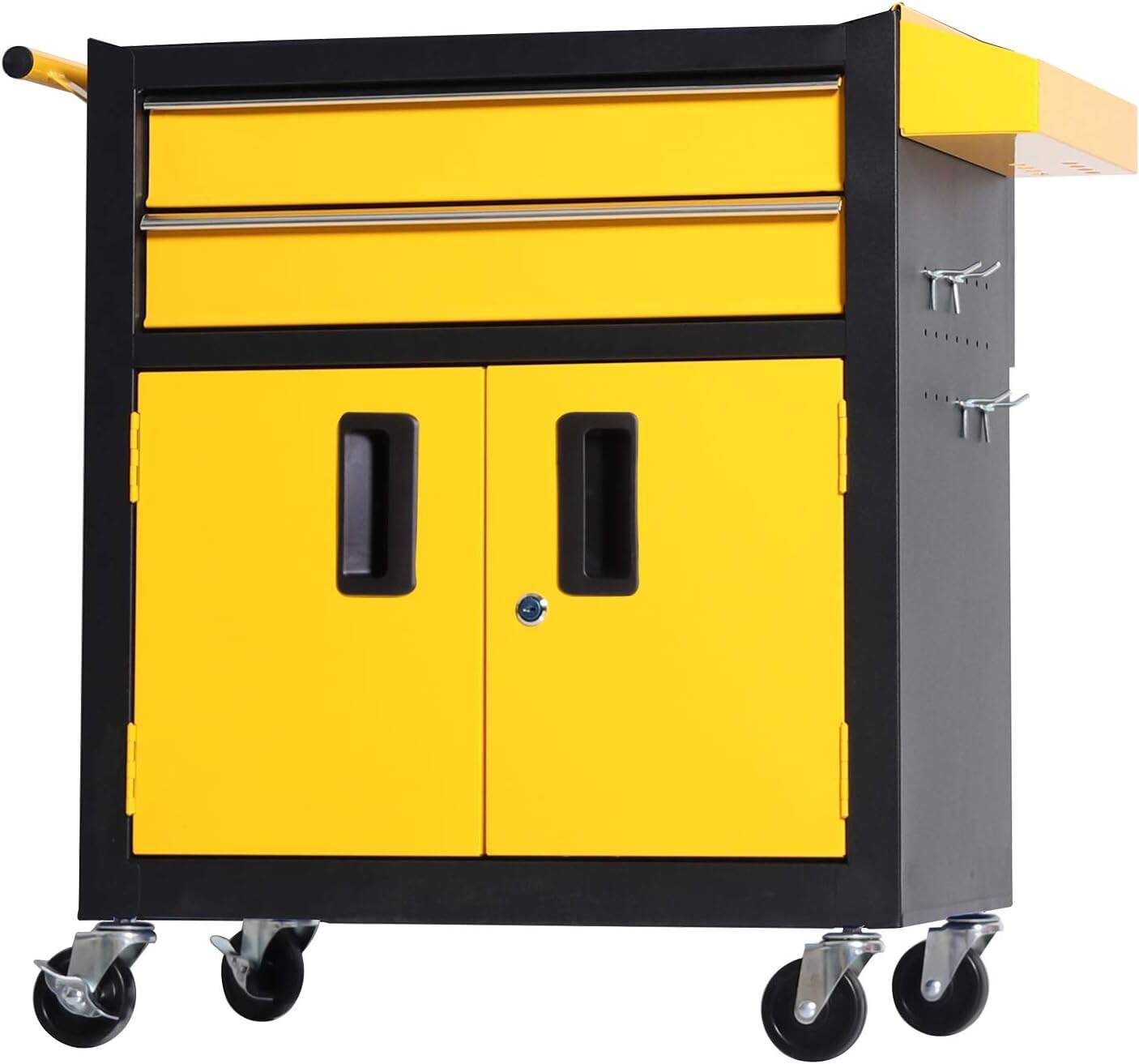
क्यों आर्द्रता गैरेज के कैबिनेट्स और उपकरणों की अखंडता के लिए खतरा है
उच्च आर्द्रता गैरेज स्टोरेज प्रणाली और उनकी सामग्री दोनों के लिए दोहरा खतरा पैदा करती है। नमी युक्त वायु के कारण अनट्रीटेड लकड़ी के कैबिनेट्स तक लगभग 70% तक फूल जाते हैं, जिससे दरवाज़े विकृत हो जाते हैं और जोड़ों का संरेखण बिगड़ जाता है। इसी बीच, संरक्षित नहीं किए गए स्टील के घटकों पर सापेक्ष आर्द्रता 60% से अधिक होने पर कुछ हफ़्तों में जंग लगने लग सकती है—जो एक ऐसा दर है जो अप्रत्यक्ष रूप से नियंत्रित गैरेजों में आमतौर पर पार कर लिया जाता है। यह क्षरण सूक्ष्म-दरारें उत्पन्न करता है, जो फंगल बीजाणुओं को आकर्षित करता है, जो सुग्राही सतहों पर बस जाते हैं और सामग्री के विघटन को तेज़ करने वाले अम्लीय यौगिकों का स्राव करते हैं।
परिणाम केबिनेटों तक ही सीमित नहीं रहते हैं। उपकरणों की सतह पर ऑक्सीकरण होता है, जिससे कटिंग एज़ कम तेज़ हो जाते हैं और गतिशील भाग अटक जाते हैं; सटीक उपकरणों में कैलिब्रेशन ड्रिफ्ट होता है क्योंकि नमी संवेदनशील इलेक्ट्रॉनिक्स में प्रवेश कर जाती है। यहाँ तक कि बंद केबिनेट भी वास्तविक वायुरोधी सील प्राप्त करने में दुर्लभ रूप से सफल होते हैं, जिससे बार-बार होने वाले संघनन चक्र सामग्री को भीतर से बाहर तक क्षतिग्रस्त कर देते हैं। नमी-प्रतिरोधी सुरक्षा के बिना, गैराज एक शत्रुतापूर्ण वातावरण बन जाते हैं, जहाँ उपकरणों का जीवनकाल काफी कम हो जाता है। सक्रिय रूप से उपयुक्त सामग्री का चयन करने से अपरिवर्तनीय क्षति होने से पहले अवशोषण-संक्षारण चक्र को रोका जा सकता है।
शीर्ष नमी-प्रतिरोधी गैराज केबिनेट सामग्रियों की तुलना
स्टेनलेस स्टील और मैरीन-ग्रेड एल्युमीनियम: श्रेष्ठ श्रेणी की संक्षारण प्रतिरोध क्षमता
स्टेनलेस स्टील और मेरीन-ग्रेड एल्युमीनियम नमी-प्रवण गैराजों के लिए अतुलनीय संक्षारण प्रतिरोध प्रदान करते हैं। स्टेनलेस स्टील में मौजूद क्रोमियम स्व-उपचारक ऑक्साइड परत बनाता है, जो जंग लगने को रोकता है—यहाँ तक कि नमकीन वायु वाले तटीय क्षेत्रों में भी। मेरीन-ग्रेड एल्युमीनियम स्टील की तुलना में 60% हल्का होता है, जबकि उच्च शक्ति-से-भार अनुपात और अपनी मिश्र धातु संरचना के कारण छिद्रीय संक्षारण के प्रति प्राकृतिक प्रतिरोध को बनाए रखता है। दोनों सामग्रियाँ आर्द्रता में उतार-चढ़ाव के दौरान आकार में स्थिर रहती हैं और भारी उपकरणों के भार को विश्वसनीय रूप से सहन करती हैं। यद्यपि उच्च प्रारंभिक लागत और धंसने की प्रवृत्ति कुछ समझौते हैं, लेकिन एक पाउडर-कोटेड फिनिश खरोंच प्रतिरोध को काफी बेहतर बनाती है—जिससे आर्द्र परिस्थितियों में कैबिनेट का सेवा जीवन 20 वर्ष से अधिक का हो जाता है। जब दीर्घकालिक नमी सुरक्षा अनिवार्य हो, तो ये धातुएँ अब भी श्रेष्ठ विकल्प बनी हुई हैं।
मेरीन-ग्रेड पाइलवुड और उच्च-घनत्व पॉलीप्रोपिलीन: आर्द्र गैराजों के लिए गैर-धातु विकल्प
लागत-प्रभावी नमी प्रतिरोध के लिए, मैरीन-ग्रेड पाइलवुड और उच्च-घनत्व पॉलीप्रोपिलीन (HDPP) विश्वसनीय प्रदर्शन प्रदान करते हैं। मैरीन-ग्रेड पाइलवुड में जलरोधी फ़िनॉलिक चिपकने वाले पदार्थों का उपयोग किया जाता है और इसे ऐसे लैमिनेट्स के रूप में डिज़ाइन किया गया है जो 90% से अधिक निरंतर आर्द्रता स्तर पर डिलैमिनेशन का प्रतिरोध कर सकें। जब इसके किनारों को उचित रूप से सील किया जाता है, तो यह 200+ पाउंड के भार के तहत संरचनात्मक अखंडता बनाए रखता है, बिना फूले बिना। HDPP—एक कठोर थर्मोप्लास्टिक—स्वतः ही जल, जंग और सड़ांध के प्रति अभेद्य है, जिससे यह बाढ़-प्रवण या उच्च संघनन वाले क्षेत्रों के लिए आदर्श बन जाता है। इसकी रासायनिक प्रतिरोधक क्षमता गैरेज में सामान्य छलांग वाले द्रव्यों को संभाल सकती है, और UV-स्थायीकृत संस्करण सूर्य के संपर्क में आने वाली जगहों में अपनी अखंडता बनाए रखते हैं। हालाँकि HDPP में धातु की प्रभाव प्रतिरोध क्षमता नहीं होती है, फिर भी यह सामान्य गैरेज उपयोग के लिए अत्यधिक टिकाऊपन प्रदान करता है—बिना प्रीमियम मूल्य टैग के।
आधार भौतिक सामग्री के अतिरिक्त आवश्यक नमी प्रतिरोधी विशेषताएँ
जबकि कैबिनेट सामग्री आर्द्रता के खिलाफ पहली पंक्ति की रक्षा बनाती है, अतिरिक्त इंजीनियरिंग सुरक्षा उपाय गैराज वातावरण में दीर्घकालिक प्रदर्शन को निर्धारित करते हैं। तीन महत्वपूर्ण उन्नयन सामान्य भंडारण को आर्द्रता-प्रतिरोधी सुरक्षा प्रणालियों में परिवर्तित करते हैं:
पाउडर-कोटेड फिनिश, ज़िरकोनियम प्री-ट्रीटमेंट और सील्ड जॉइंट्स की व्याख्या
इलेक्ट्रोस्टैटिक रूप से लगाए गए पाउडर कोटिंग्स एक थर्मोसेट पॉलिमर बैरियर बनाते हैं जिसकी मोटाई 60–120 माइक्रॉन (ASTM D5796 के अनुसार) होती है, जो चिप-प्रतिरोधी एनकैप्सुलेशन प्रदान करता है और 500 घंटे से अधिक के नमकीन छिड़काव (सॉल्ट स्प्रे) के प्रभाव को सहन कर सकता है—जो सामान्य पेंट की तुलना में काफी अधिक है। ज़िरकोनियम रूपांतरण प्री-ट्रीटमेंट नैनो-क्रिस्टलाइन परतें बनाता है जो कोटिंग एडहेशन को बेहतर बनाती हैं और फिल्म के नीचे के कारणित संक्षारण (अंडर-फिल्म कॉरोजन) को रोकती हैं—यह क्रोमेट्स का एक पर्यावरण-अनुकूल विकल्प है, जिसके ऑक्सीकरण को 70% तक कम करने का प्रदर्शन किया गया है (NACE 2022)। सबसे महत्वपूर्ण बात यह है कि लेज़र-वेल्डेड सीमें और सिलिकॉन गैस्केट्स के संयोजन से संरचनात्मक जंक्शनों पर नमी प्रवेश के बिंदुओं को समाप्त कर दिया जाता है; शीर्ष-श्रेणी के डिज़ाइन जोड़ों पर जल वाष्प संचरण दर को केवल 0.01% तक कम करने में सक्षम हैं—जो उपकरणों को आंतरिक संघनन से बचाने के लिए आवश्यक है। इन सभी विशेषताओं के साथ, प्रत्येक हिंज, कोना और पैनल कनेक्शन नमी के विनाशकारी प्रभाव के प्रति सक्रिय रूप से प्रतिरोध करता है।
नमी-प्रतिरोधी गैरेज कैबिनेट का सही चयन: एक व्यावहारिक निर्णय रूपरेखा
टिकाऊ गैरेज स्टोरेज का चयन करते समय केवल आधार भौतिक सामग्री का ही मूल्यांकन नहीं करना चाहिए, बल्कि चार परस्पर निर्भर आयामों का मूल्यांकन करना आवश्यक है। पहला: अपने स्टोरेज प्रोफ़ाइल का आकलन करें—सबसे भारी वस्तुओं (जैसे टेबल सॉ, जिनका वजन 150 पाउंड या अधिक हो) की पहचान करें, पहुँच की आवृत्ति और भविष्य में वर्कशॉप विस्तार जैसी आवश्यकताओं का अनुमान लगाएँ। दूसरा: पर्यावरणीय खतरों का मानचित्रण करें—शीर्ष आर्द्रता स्तर को ट्रैक करने के लिए एक सस्ता हाइग्रोमीटर का उपयोग करें; तटीय क्षेत्रों या अमेरिका के दक्षिणी भागों में स्थित गैरेजों में वार्षिक रूप से 70% आरएच से अधिक की आर्द्रता पाई जाती है।
तीसरा: स्थापना की जटिलता को दीर्घकालिक रखरखाव के विपरीत तौलें—मॉड्यूलर डीआईवाई प्रणालियाँ प्रारंभिक लागत में लगभग 60% बचत कराती हैं, लेकिन इनमें पेशेवर सीम-सीलिंग और एकीकृत नमी अवरोधकों की कमी होती है। अंत में, जीवनकाल मूल्य का मूल्यांकन करें—केवल चिपकाए गए मूल्य को नहीं। आर्द्र परिस्थितियों में पार्टिकलबोर्ड कैबिनेट्स का क्षरण स्टेनलेस स्टील की तुलना में तीन गुना तेज़ होता है, जिसके परिणामस्वरूप दस वर्षों में प्रतिस्थापन लागत में 74% की वृद्धि होती है। पॉलिमर-लेपित कब्ज़ों, सील किए गए दराज़ के आधारों और कारखाने में लगाए गए नमी अवरोधकों वाले कैबिनेट्स को प्राथमिकता दें।
| निर्णय कारक | महत्वपूर्ण प्रश्न | उपेक्षा का जोखिम |
|---|---|---|
| स्टोरेज प्रोफ़ाइल | आपकी सबसे भारी वस्तु कौन-सी है? पहुँच की आवृत्ति क्या है? | अतिभारित शेल्फ़ें झुक रही हैं (5 वर्षों के भीतर 85%) |
| पर्यावरण | अधिकतम आर्द्रता? तापमान में उतार-चढ़ाव? | 8 महीनों में उपकरणों पर फफूंद का विकास |
| स्थापना एवं रखरखाव | क्या आपके पास DIY कौशल हैं? क्या आप प्रतिवर्ष पुनः सील करने के लिए तैयार हैं? | 2 सर्दियों के बाद जोड़ों में अलगाव |
| बजट का समय-क्षितिज | 5 वर्ष बनाम 15 वर्ष के लागत अनुमान? | पूर्वकालिक संक्षारण/प्रतिस्थापन लागत |
अक्सर पूछे जाने वाले प्रश्न
आर्द्रता गैरेज के अलमारियों और उपकरणों के लिए क्यों हानिकारक है?
आर्द्रता के कारण अनुपचारित लकड़ी के अलमारियाँ फूल जाती हैं और विकृत हो जाती हैं, तथा स्टील के घटकों में जंग लगने लगती है। यह क्षरण सामग्री के क्षरण को तेज करता है और गैरेज में रखी वस्तुओं, जैसे उपकरणों और इलेक्ट्रॉनिक्स को क्षति पहुँचाता है।
आर्द्रता-प्रतिरोधी गैरेज अलमारियों के लिए सबसे उपयुक्त सामग्रियाँ कौन-सी हैं?
स्टेनलेस स्टील और समुद्री-श्रेणी की एल्युमीनियम सबसे अच्छी क्षरण प्रतिरोध क्षमता प्रदान करते हैं। गैर-धातु विकल्पों में समुद्री-श्रेणी की पाइवुड और उच्च-घनत्व वाला पॉलीप्रोपिलीन भी आर्द्र वातावरण के लिए प्रभावी हैं।
अलमारियों को आर्द्रता के प्रति अधिक प्रतिरोधी बनाने के लिए कौन-सी अतिरिक्त विशेषताएँ उपयोगी हो सकती हैं?
पाउडर कोटिंग फिनिश, ज़ाइर्कोनियम पूर्व-उपचार और सील किए गए जोड़ जैसी विशेषताएँ आर्द्रता के प्रवेश के खिलाफ मजबूत बाधाएँ बनाती हैं, जिससे अलमारियों और उनकी सामग्री की रक्षा होती है।
मैं उचित आर्द्रता-प्रतिरोधी गैरेज अलमारी का चयन कैसे करूँ?
भंडारण की आवश्यकताओं, पर्यावरणीय स्थितियों, स्थापना की जटिलता और आजीवन मूल्य पर विचार करें। टिकाऊ सामग्री और पेशेवर रूप से सील किए गए डिज़ाइन अक्सर लंबे समय तक बेहतर प्रदर्शन प्रदान करते हैं, विशेष रूप से आर्द्र गैराजों में।
विषय-सूची
- क्यों आर्द्रता गैरेज के कैबिनेट्स और उपकरणों की अखंडता के लिए खतरा है
- शीर्ष नमी-प्रतिरोधी गैराज केबिनेट सामग्रियों की तुलना
- आधार भौतिक सामग्री के अतिरिक्त आवश्यक नमी प्रतिरोधी विशेषताएँ
- नमी-प्रतिरोधी गैरेज कैबिनेट का सही चयन: एक व्यावहारिक निर्णय रूपरेखा
-
अक्सर पूछे जाने वाले प्रश्न
- आर्द्रता गैरेज के अलमारियों और उपकरणों के लिए क्यों हानिकारक है?
- आर्द्रता-प्रतिरोधी गैरेज अलमारियों के लिए सबसे उपयुक्त सामग्रियाँ कौन-सी हैं?
- अलमारियों को आर्द्रता के प्रति अधिक प्रतिरोधी बनाने के लिए कौन-सी अतिरिक्त विशेषताएँ उपयोगी हो सकती हैं?
- मैं उचित आर्द्रता-प्रतिरोधी गैरेज अलमारी का चयन कैसे करूँ?