 EN
EN

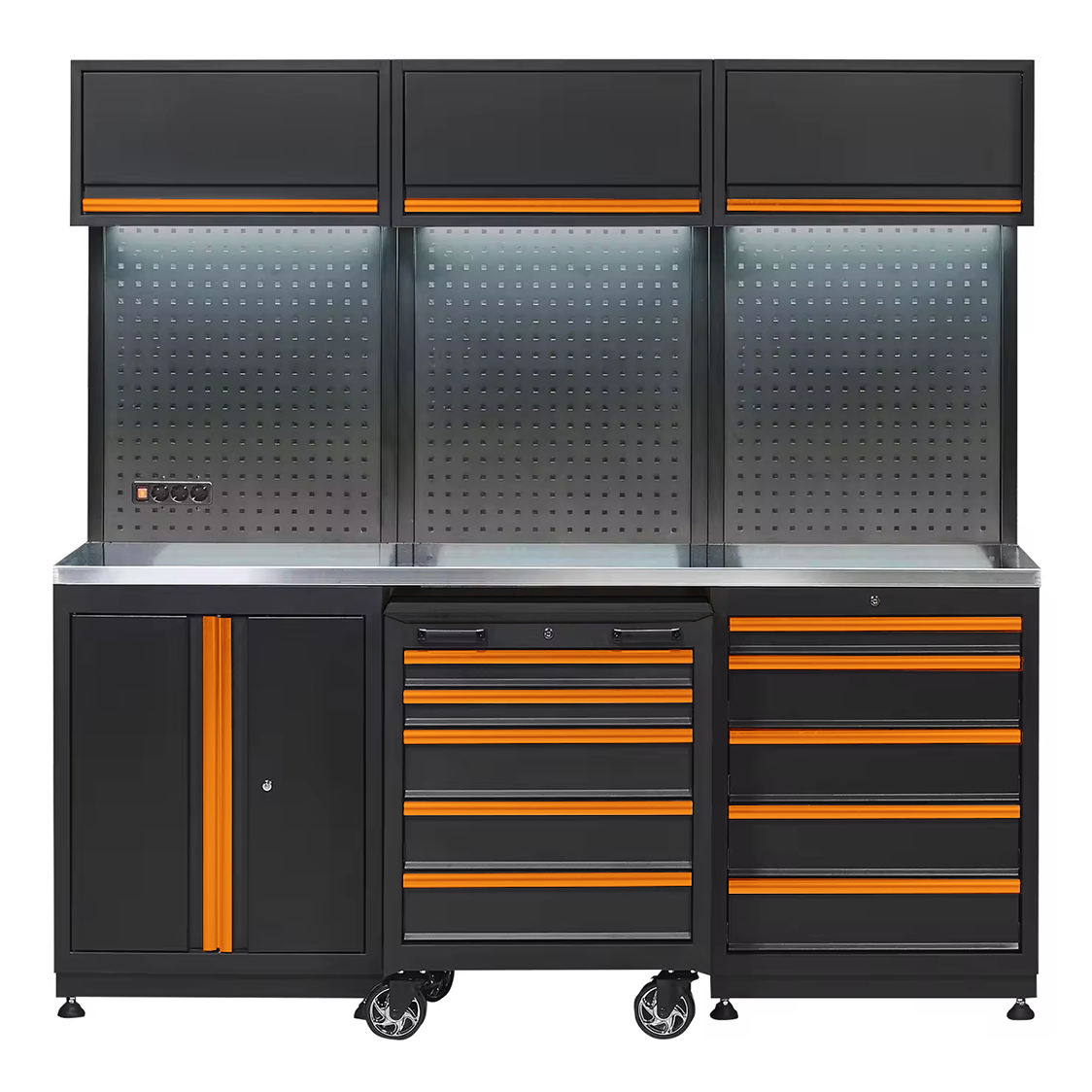
मानक गैरेज कार्य मेज़ों का आर्द्र और धूल भरे वातावरण में विफल होने के कारण
तापमान में उतार-चढ़ाव और संघनन के कारण जंग, सूजन और परतें अलग होना कैसे शुरू होता है
गैर-जलवायु नियंत्रित गैरेजों में दैनिक तापमान उतार-चढ़ाव के कारण अपरिष्कृत कार्य मेज़ों के अंदर संघनन का निर्माण होता है—जिससे धातु के क्षरण और लकड़ी-आधारित आधार के क्षरण की गति बढ़ जाती है। जब सापेक्ष आर्द्रता 60% से अधिक हो जाती है, तो अपरिष्कृत स्टील फ्रेम तीन गुना तेज़ी से जंग खाने लगते हैं, जबकि MDF के कोर छह महीने के भीतर अपरिवर्तनीय रूप से सूज जाते हैं। पॉलीउरेथेन-सील किए गए जोड़ विफल हो जाते हैं क्योंकि फँसी हुई नमी चिपकने वाली परतों को पृथक कर देती है, जिससे संरचनात्मक अखंडता को नुकसान पहुँचता है। पोनेमॉन संस्थान (2023) के अनुसार, इन विफलताओं के कारण अमेरिका के कार्यशाला स्वामियों को पूर्वकालिक प्रतिस्थापनों पर लगभग 740,000 अमेरिकी डॉलर का वार्षिक आर्थिक नुकसान होता है।
धूल एक छिपा हुआ उत्प्रेरक: नमी को फँसाना और सुरक्षात्मक फिनिश को क्षरित करना
हवा में तैरते हुए कार्यशाला के कण—जिनमें धातु के छील, लकड़ी का बुरादा और पीसने का अवशेष शामिल हैं—नमी के भंडार के रूप में कार्य करते हैं, जो सतहों से चिपक जाते हैं और स्थानीय स्तर पर संक्षारण के गर्म बिंदुओं का निर्माण करते हैं। परीक्षणों से पता चलता है कि 120-ग्रिट के कणों के समतुल्य धूल केवल 200 सफाई चक्रों के बाद ही मानक पाउडर कोटिंग को क्षीण कर देती है, जिससे संवेदनशील आधार सतहें उजागर हो जाती हैं। एक बार जब पहनी हुई फिनिश में सूक्ष्म छिद्र बन जाते हैं, तो वे वातावरण की आर्द्रता को अवशोषित कर लेते हैं और उप-सतही जंग की शुरुआत करते हैं—यह विफलता का रूप अक्सर तब तक अदृश्य रहता है जब तक कि संरचनात्मक क्षति नहीं हो जाती।
नोट: पोनेमॉन संस्थान (2023) द्वारा उल्लिखित $740k का आँकड़ा आर्द्र और धूलभरे वातावरणों में कार्य मेज के शीघ्र विफल होने के संचालन लागत प्रभाव की पुष्टि करता है।
टिकाऊ गैरेज कार्य मेज के लिए शीर्ष मौसम-प्रतिरोधी सामग्री
पाउडर कोटेड स्टील और एनोडाइज्ड एल्युमीनियम: सत्यापित संक्षारण प्रतिरोध
पाउडर-कोटेड स्टील—विशेष रूप से जब इसे जिंक-समृद्ध प्राइमर के ऊपर लगाया जाता है—तो कार्यशाला की स्थायित्व अध्ययनों के अनुसार, अपचित धातु की तुलना में जंग लगने के जोखिम को लगभग 70% तक कम कर देता है। एनोडाइज्ड एल्युमीनियम एक हल्का, स्वतः जंगरोधी विकल्प प्रदान करता है, जो मोबाइल या ओवरहेड-माउंटेड बेंचों के लिए आदर्श है। दोनों सामग्रियाँ दैनिक तापमान उतार-चढ़ाव (30°F/17°C से अधिक) के दौरान आकारिक स्थिरता बनाए रखती हैं। प्रदर्शन डेटा से पुष्टि होती है कि ये फिनिशेज उच्च आर्द्रता वाले वातावरण में 5–10 वर्षों तक ऑक्सीकरण का प्रतिरोध करती हैं—जो पारंपरिक पेंटों की तुलना में काफी अधिक है, जो आमतौर पर 18 महीनों के भीतर विघटित हो जाते हैं।
सील किए गए कॉम्पोजिट टॉप्स (जैसे, फीनॉलिक लैमिनेट) बनाम बलिदान के लिए उपयुक्त पॉलिमर सतहें
कार्य सतह की सामग्री का चयन दीर्घकालिकता और रखरखाव सहनशीलता के बीच संतुलन बनाने पर निर्भर करता है:
| सामग्री प्रकार | टिकाऊपन | नमी प्रतिरोध | आयु प्रदर्शन मानक |
|---|---|---|---|
| फीनॉलिक लैमिनेट | 1,000+ पाउंड तक सहन कर सकता है | पूर्णतः जलरोधी कोर | 5 वर्षों में 98% कार्यक्षमता |
| बलिदान के लिए उपयुक्त पॉलिमर | खरोंच के प्रति संवेदनशील | सतह-स्तरीय सुरक्षा | 2–3 वर्ष का प्रतिस्थापन चक्र |
फ़िनॉलिक लैमिनेट राल-संतृप्त, थर्मोसेट परतों के माध्यम से स्थायी आर्द्रता प्रतिरोध प्राप्त करता है—जिससे अवशोषण के मार्ग समाप्त हो जाते हैं। इसके विपरीत, बहुलक सतहें प्रतिस्थापन योग्य शील्ड के रूप में कार्य करती हैं, जो रासायनिक लीकेज क्षेत्रों के लिए उपयुक्त हैं, लेकिन इन्हें नियमित रूप से नवीनीकृत करने की आवश्यकता होती है। टिकाऊपन रिपोर्टों में पुष्टि की गई है कि लैमिनेटेड संयोजित सामग्री चरम गैराज परिस्थितियों के तहत पाँच वर्ष या उससे अधिक समय तक पूर्ण कार्यक्षमता बनाए रखती हैं, जिससे उच्च प्रारंभिक लागत के बावजूद दीर्घकालिक मूल्य प्रदान किया जाता है।
स्मार्ट गैराज कार्य मेज़ डिज़ाइन: सीलिंग, ड्रेनेज और सेवा योग्यता
गैस्केट युक्त कैबिनेट, सील किए गए जोड़ और आर्द्रता निकास के लिए ढालू आधार
मौसम-प्रतिरोधी डिज़ाइन केवल सामग्री के चयन से आगे बढ़कर नमी के सक्रिय प्रबंधन को शामिल करता है। गैस्केट युक्त कैबिनेट के दरवाज़े और दराज़ें संपीड़न सील बनाती हैं, जो आंतरिक भंडारण घटकों को विकृत करने वाली वातावरणीय आर्द्रता को रोकती हैं। जलरोधी चिपकने वाले पदार्थों या वेल्डेड सीमों के माध्यम से प्राप्त सील किए गए जोड़, खड़े पानी के जमा होने वाले किनारों के साथ केशिका क्रिया (कैपिलरी विकिंग) को रोकते हैं। सबसे महत्वपूर्ण बात यह है कि ढलान वाले आधार डिज़ाइन (≥3° झुकाव) संरचनात्मक सहारों की ओर संघनन को नहीं इकट्ठा होने देते, बल्कि उसे दूर ले जाते हैं। क्षेत्र परीक्षणों से पता चला है कि एकीकृत ढलान ड्रेनेज़ वाली बेंचें, आर्द्र वातावरण में सपाट आधार वाली इकाइयों की तुलना में संक्षारण से होने वाली विफलताओं को 60% तक कम करती हैं। यह निष्क्रिय ड्रेनेज़ प्रणाली स्टील के फ्रेम्स और कॉम्पोज़िट टॉप्स दोनों की रक्षा करती है—जिससे कार्यात्मक आयु बढ़ती है और रखरखाव को न्यूनतम किया जाता है।
आयु को अधिकतम करना: कम प्रयास वाला रखरखाव और वास्तविक दुनिया के टिकाऊपन के मापदंड
एक मौसम-प्रतिरोधी गैरेज कार्य मेज़ की वास्तविक दुनिया में टिकाऊपन को प्रयोगशाला के विशिष्टता मापदंडों में नहीं, बल्कि मौसमी परिवर्तनों और दैनिक उपयोग के दौरान लगातार प्रदर्शन में मापा जाता है। शोध से पता चलता है कि सरलीकृत रखरखाव प्रोटोकॉल वाले उपकरणों के स्वामित्व अनुपालन में 35–55% की वृद्धि होती है—जो सीधे रूप से 20–40% अधिक ऑपरेशनल आयु के साथ संबंधित है। गैरेज कार्य मेज़ों के लिए, इसका अर्थ है कि धूल के जमाव और नमी के प्रवेश—जो पूर्वकालिक विफलता के दो सबसे आम कारक हैं—का स्वतः प्रतिरोध करने वाले सील किए गए जोड़ों जैसी डिज़ाइन विशेषताओं को प्राथमिकता देना।
प्रभावी रखरखाव के लिए न्यूनतम प्रयास की आवश्यकता होनी चाहिए: सतहों को pH-तटस्थ सफाईकर्ता से पोंछना और गैस्केट्स तथा सील्स का तिमाही आधार पर निरीक्षण करना। महत्वपूर्ण स्थायित्व मापदंडों में 500+ आर्द्रता चक्रों के बाद सतही विलगन के प्रति प्रतिरोध शामिल हैं, तथा पाँच वर्षों तक दोहराए गए तापीय प्रसार तनाव के बाद संरचनात्मक अखंडता के सत्यापित रखरखाव को भी शामिल किया गया है। पूर्वानुमानात्मक डिज़ाइन बार-बार पुनः सीलिंग या कोटिंग मरम्मत की आवश्यकता को समाप्त कर देते हैं—जिससे जीवनकाल की रखरखाव लागत में 60% तक की कमी आती है, जबकि भार वहन क्षमता को बनाए रखा जाता है। इन कम-हस्तक्षेप रणनीतियों को अपनाकर अपने कार्य मेज़ को एक उपभोग्य उपकरण से एक दशक तक चलने वाले संपत्ति बनाएँ।
अक्सर पूछे जाने वाले प्रश्न
मानक गैरेज कार्य मेज़ आर्द्र और धूल भरे वातावरणों में क्यों विफल हो जाते हैं?
मानक कार्य मेज़ अक्सर असील होते हैं, जिससे संघनन और वायु में निलंबित कण लकड़ी-आधारित आधार सामग्रियों और अनुपचारित इस्पात जैसी सामग्रियों में प्रवेश कर सकते हैं और उनका क्षरण कर सकते हैं। इसके परिणामस्वरूप समय के साथ जंग लगना, सूजन और विलगन होता है।
मौसम प्रतिरोधी गैरेज कार्य मेज़ के लिए कौन-सी सामग्रियाँ सर्वोत्तम हैं?
पाउडर-कोटेड स्टील और एनोडाइज्ड एल्युमीनियम अत्यधिक टिकाऊ और संक्षारण-प्रतिरोधी हैं। फीनॉलिक लैमिनेट नमी प्रतिरोध के लिए उत्कृष्ट है, जबकि बलिदान-संबंधी पॉलिमर उच्च-छलकन क्षेत्रों में अच्छा प्रदर्शन करते हैं, लेकिन इनके अधिक बार-बार प्रतिस्थापन की आवश्यकता होती है।
धूल कार्यबेंच की टिकाऊपन को कैसे प्रभावित करती है?
धूल एक नमी भंडार के रूप में कार्य करती है और सुरक्षात्मक फिनिश को क्षरित कर सकती है, जिससे संक्षारण तेज़ हो जाता है और आधार सामग्री में छिपी हुई क्षति हो सकती है।
कार्यबेंच में मौसम प्रतिरोधकता को बढ़ाने वाली डिज़ाइन विशेषताएँ कौन सी हैं?
मौसम-प्रतिरोधी डिज़ाइनों में गैस्केट युक्त कैबिनेट, सील किए गए जोड़ और नमी को नियंत्रित करने तथा संक्षारण से होने वाली विफलताओं को कम करने के लिए ढलान वाले आधार शामिल हैं।
टिकाऊ कार्यबेंच के लिए कौन सा रखरखाव अनुशंसित है?
पीएच-तटस्थ सफाईकर्ताओं के साथ आवधिक सतह सफाई और तिमाही आधार पर गैस्केट और सील का निरीक्षण करने से आपकी कार्यबेंच के जीवनकाल को काफी लंबा किया जा सकता है।
विषय-सूची
- मानक गैरेज कार्य मेज़ों का आर्द्र और धूल भरे वातावरण में विफल होने के कारण
- टिकाऊ गैरेज कार्य मेज के लिए शीर्ष मौसम-प्रतिरोधी सामग्री
- स्मार्ट गैराज कार्य मेज़ डिज़ाइन: सीलिंग, ड्रेनेज और सेवा योग्यता
- आयु को अधिकतम करना: कम प्रयास वाला रखरखाव और वास्तविक दुनिया के टिकाऊपन के मापदंड
-
अक्सर पूछे जाने वाले प्रश्न
- मानक गैरेज कार्य मेज़ आर्द्र और धूल भरे वातावरणों में क्यों विफल हो जाते हैं?
- मौसम प्रतिरोधी गैरेज कार्य मेज़ के लिए कौन-सी सामग्रियाँ सर्वोत्तम हैं?
- धूल कार्यबेंच की टिकाऊपन को कैसे प्रभावित करती है?
- कार्यबेंच में मौसम प्रतिरोधकता को बढ़ाने वाली डिज़ाइन विशेषताएँ कौन सी हैं?
- टिकाऊ कार्यबेंच के लिए कौन सा रखरखाव अनुशंसित है?