 EN

How Metal Workshop Cabinets Support Lean Manufacturing?
A technician stops at a workstation, opens three drawers and asks a colleague where the gauge has gone. The delay may be short, but the search interrupts the job and makes the next handover less predictable. Metal workshop cabinets can support lean manufacturing when the layout gives each tool a clear place, close to where it is used. The cabinet itself is only part of the answer: sorting, visual storage and a workable return routine matter just as much.
For storage brands and production teams, the useful question is not simply how much a cabinet holds. Ask how people find, take, use and return an item. Then evaluate metal workshop cabinets against that sequence rather than selecting a layout from appearance alone.
Begin with the work, not the empty shelf
Observe a representative shift and list the tools, gauges, consumables and documents used at each operation. Mark which items are shared, which travel between stations and which are rarely needed. Metal workshop cabinets can then be positioned near the tasks they serve, with high-use items accessible without obstructing the operator or a travel route.
Sort surplus or damaged items before allocating spaces. A cabinet filled with items that nobody needs can hide shortages just as effectively as a crowded bench. Record who decides whether an item stays, moves to a shared location or leaves the work area. This initial discussion is useful when a storage brand turns a factory's broad request into a repeatable configuration.
For example, imagine an assembly cell where two operators share a torque tool. An assigned slot near the point of use, a label and a simple sign-out rule may make the handover clearer. This is an illustrative scenario, not a claim about a completed project or a measured result. If access remains difficult, observe the actual route before changing the storage again.
Use 5S to give storage a daily purpose
The U.S. Environmental Protection Agency describes five 5S pillars: Sort, Set in Order, Shine, Standardize and Sustain. Metal workshop cabinets are most useful when each pillar is connected to an action, rather than treated as a purchase checklist.
- Sort: separate needed items from surplus before deciding what belongs in the cabinet.
- Set in Order: assign positions by task and frequency, then label the places so people can find and return items.
- Shine: include the cabinet, its contents and the surrounding floor in normal cleaning and inspection.
- Standardize: document the layout, restocking triggers and responsibilities in a format the shift can use.
- Sustain: check whether the agreed layout is followed and revise it when work changes.
Visual storage makes the agreed arrangement easier to see. A label on the outside may identify a group of tools; a matching outline or divider inside can show the intended position of each item. A missing item is then a prompt to check the handover, not automatic proof of loss.
Make visual storage useful at the point of work
Visual storage should answer three questions: what belongs here, where does it go, and what should happen if it is absent? Use names that operators recognize, make labels legible from the working position and keep the layout simple enough to maintain. Metal workshop cabinets with drawers, shelves or internal dividers can be planned around those answers, subject to the actual configuration being confirmed.
Separate look-alike gauges or fittings by task and identification, not by available space alone. For shared tools, add a return location and a named owner for exceptions. Visual storage can also use a refill marker for consumables, but the reorder quantity and lead time need to be set from the site's own demand and replenishment process.
Check the design with the people who use it. If a label is hidden when a door opens, or a divider makes a frequently used tool awkward to remove, the arrangement may encourage workarounds. Metal workshop cabinets should leave sufficient room for doors, drawers, people and equipment in the real aisle, not just on a drawing.
Balance controlled access with retrieval speed
Lockable doors can help a team define access to shared, sensitive or high-value items. They do not replace an inventory process. Decide which items genuinely need controlled access, who holds the keys or credentials, and how another shift obtains a tool when the usual holder is absent.
If lockable doors slow a routine operation, consider whether commonly used items belong in a separate accessible section while controlled items remain secured. Compare a central cabinet with storage at each cell: central control can simplify oversight, while local access may reduce walking. Metal workshop cabinets should be assessed against the actual trade-off, including the time needed to return tools.
Security is also distinct from safe storage. Confirm cabinet stability, anchoring needs, shelf and drawer load limits, and clearance with the supplier and site safety team. Store materials according to the applicable site rules and local requirements. A general-purpose metal cabinet should not be assumed suitable for hazardous substances; the substance, cabinet specification and governing rules require separate review.
Turn the workflow into an OEM specification
When sourcing metal workshop cabinets for a brand or facility, describe the intended work before requesting a drawing. A useful brief includes the tool list, access sequence, expected users, available footprint and the path taken to retrieve and return items. These details help a supplier discuss options without assuming that every cabinet has the same features.
- Identify the items assigned to each compartment and the space needed to handle them.
- Request documented shelf and drawer ratings for the proposed configuration, and check how those ratings are tested or stated.
- Specify whether visual storage means labels, outlines, dividers or a combination, and who maintains them.
- Describe where lockable doors are needed, how keys are managed and what access is required across shifts.
- Confirm finish, mounting or mobility requirements, packaging, sample review and any change-control needs before ordering.
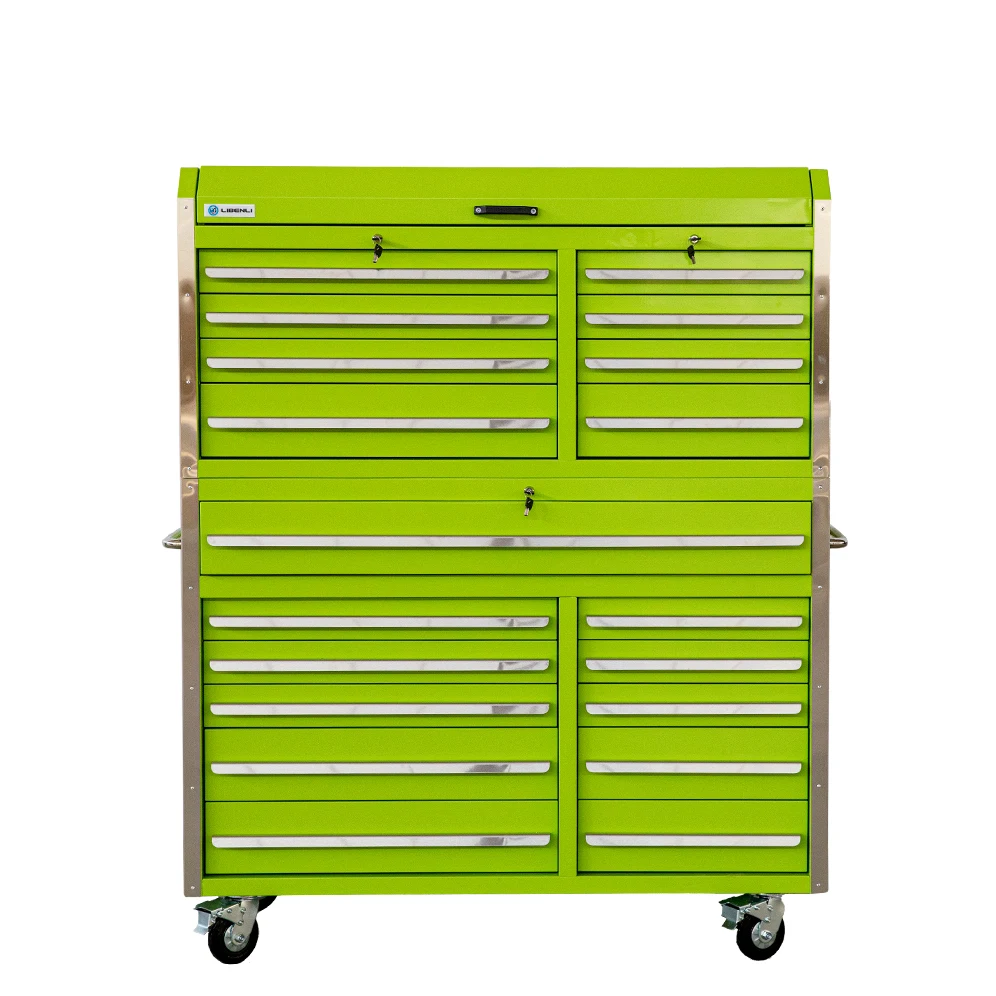
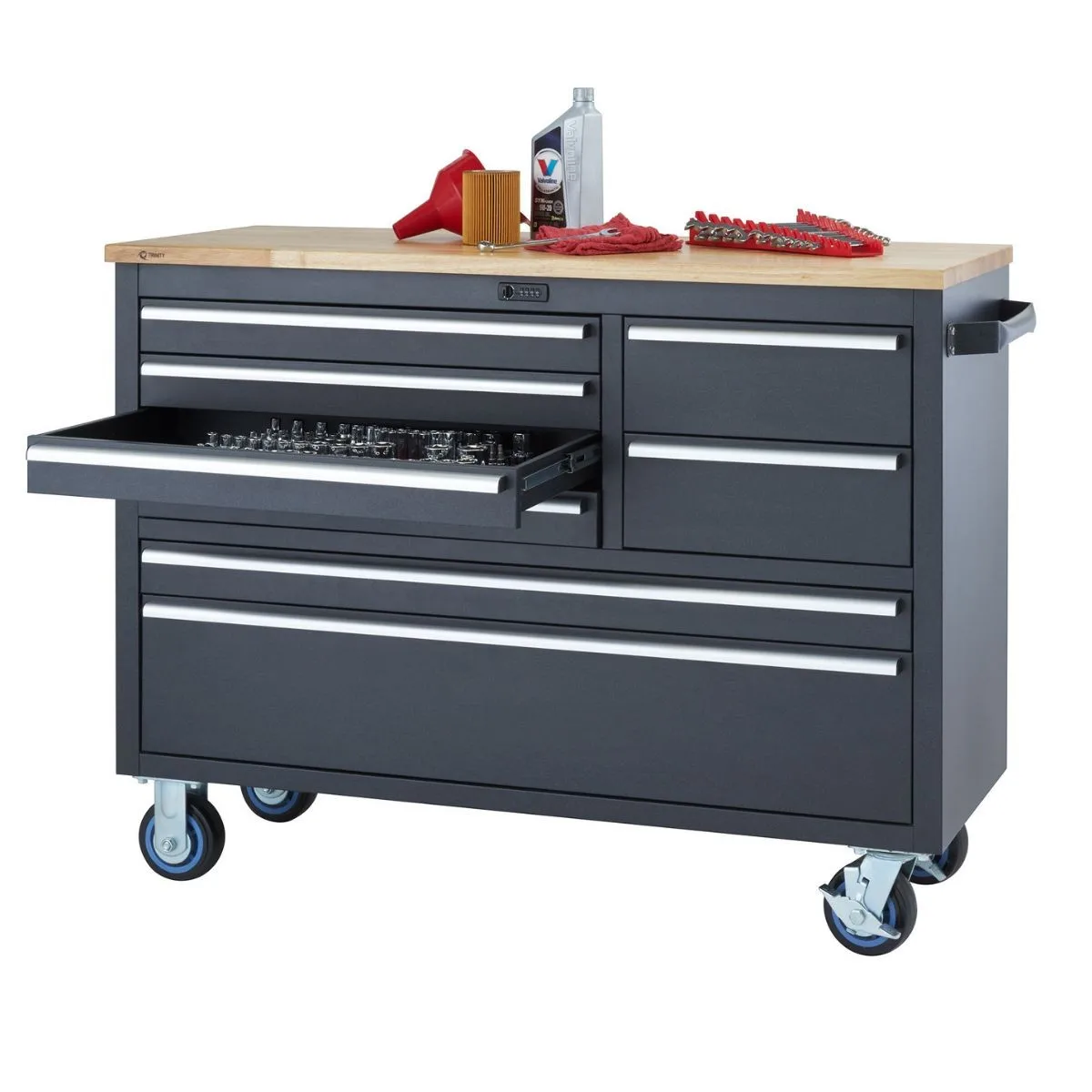
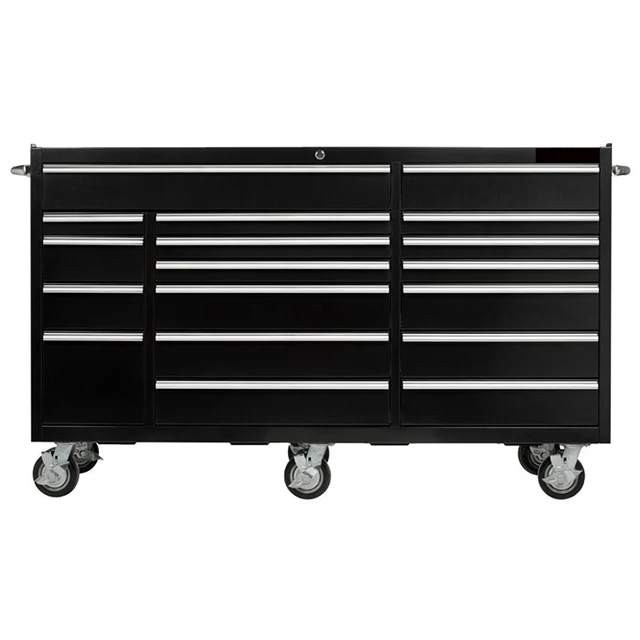
Haiyang Libenli's profile describes sheet-metal processing and customized solutions. For an initial discussion, a brand can share its use case and ask which details can be confirmed for the proposed design. Explore the site's tool cabinet range or consider how storage relates to the workbench area. These are category resources, not claims that a particular item has the features described above.
Measure the change and keep adjusting
Before changing the layout, choose a small sample of recurring retrievals and record the time from request to return. Repeat the same observation after the team has tried the new arrangement, noting changes in staffing or workload. Track missing-item checks and replenishment interruptions alongside retrieval time. These observations can indicate whether metal workshop cabinets and visual storage are supporting the process; they do not establish a universal savings figure.
Review the layout with operators at an agreed interval. A new product, tool or shift pattern may change where items belong. If the measures show little improvement, revisit the location, labels and access rules before adding more storage. Lean progress comes from testing the whole retrieval and return routine, not from the cabinet purchase alone.
 Hot News
