 EN

How Rolling Tool Storage Adapts to Dynamic Workstations?
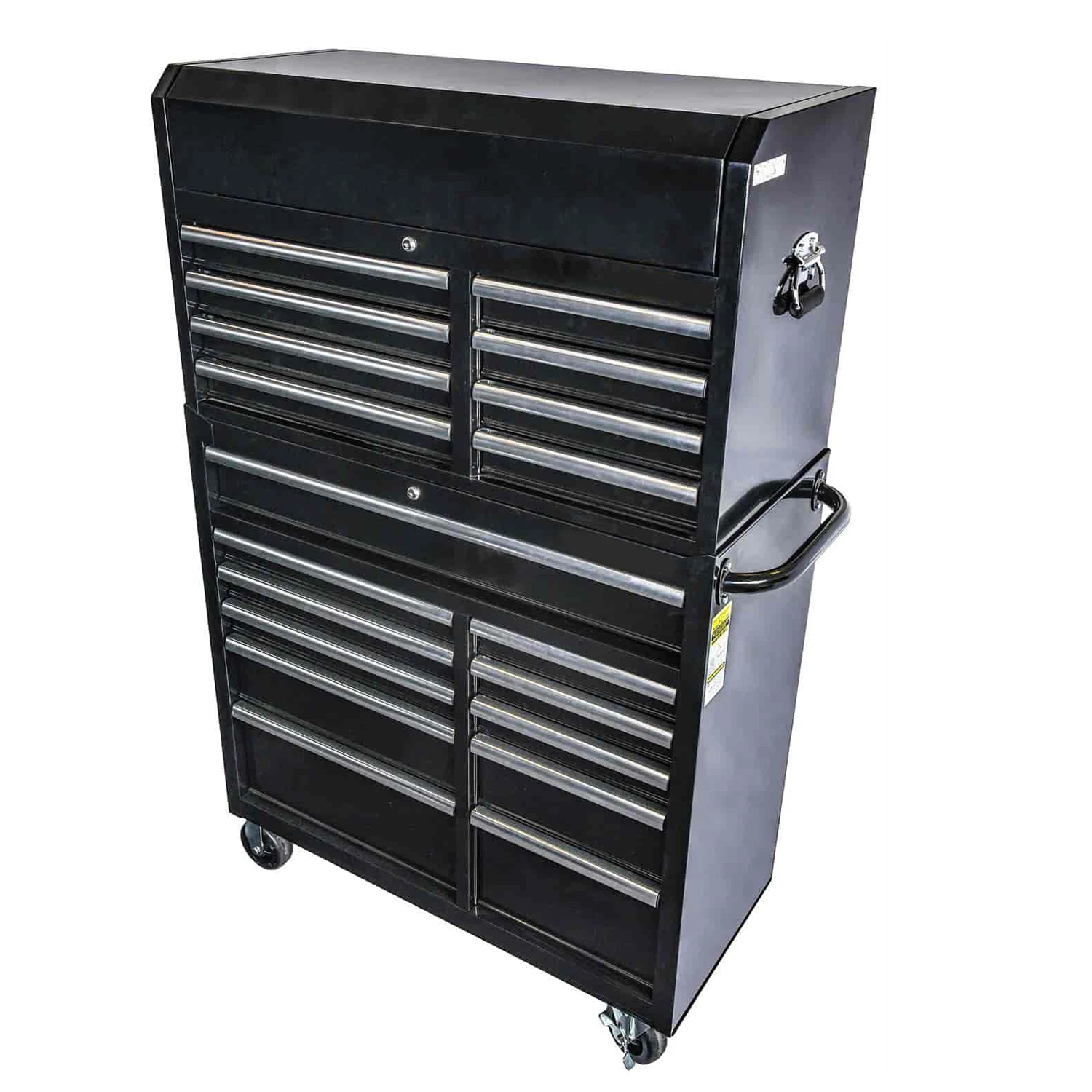
A work area can serve assembly in the morning and maintenance in the afternoon. When tools stay in a fixed cabinet, each change in task may mean another trip across the floor. Rolling tool storage offers a different arrangement: keep a selected set of tools together and move that set to the point of use. The route, tool mix, and the way people retrieve and return each item matter more than drawer count alone.
For a tool-storage brand or a workshop planner, the design question is not simply whether a cabinet has wheels. It is whether the whole setup can move, park, open, and be reorganized without obstructing the work around it.
Start with the work sequence, not the cabinet
List the tasks that share a workstation and note where each begins and ends. Separate items used throughout a shift from tools needed only for a particular operation. Then identify what must travel together. A measuring kit, for example, may need protection and a defined location, while frequently handled hand tools need quick access.
Rolling tool storage can follow the task instead of requiring every tool to move every time. Keep infrequently used or bulky equipment in a fixed location, and give the mobile unit a clear purpose. A narrow unit that fits beside a bench may suit a different workflow from a larger cabinet that is moved between stations. Check the space needed for an open drawer as well as the cabinet footprint.
Before settling on a layout, walk the intended route with the people who will use it. Look for door thresholds, floor joints, narrow turns, slopes, and areas where other work or traffic takes priority. Mark where the unit can park without blocking exits or access to equipment. These observations give a manufacturer a more useful brief than a request for a cabinet on wheels alone.
Choose mobility for the actual floor and route
Swivel casters help a unit change direction in confined areas, but a configuration should be assessed as a complete system. Wheel material, diameter, caster arrangement, floor condition, load distribution, and handle position all affect how a loaded unit behaves. Ask the supplier to identify the intended floor conditions and the rated load for the full assembly; a single component rating does not establish the capacity of the finished cabinet.
Consider the difference between maneuvering around a bench and traveling along a straight aisle. Some arrangements may turn easily but need more attention to directional control; others may track more predictably but require more room to turn. Test the proposed layout with a representative load and the actual route rather than judging it empty on a smooth floor.
Parking matters as much as movement. Ask what the selected brake or locking mechanism actually restrains, how it is operated, and where the unit is intended to stand. A wheel brake is not a substitute for a site-specific assessment of sloped surfaces. Before moving rolling tool storage, close and secure drawers and loose contents in line with the unit instructions.
In its materials-handling guidance, OSHA advises pushing rather than pulling when possible and keeping a cart load below eye level so the operator can see over it. Apply that guidance alongside the equipment instructions and the site's own handling procedures; clear sightlines and a usable handle should be part of the review.
Use modular trays to change the tool mix
A changing task does not necessarily call for a different cabinet. Modular trays can group tools by operation, shift, or user, provided their dimensions and attachment method are compatible with the drawer. A team might prepare one tray for inspection tools and another for assembly tools, then exchange them as the work changes. This is an illustrative arrangement, not a description of a customer installation.
For rolling tool storage, check the usable drawer opening and interior depth, not just the outside dimensions. Leave room to grasp and return tools, and consider how dividers or liners will be held in place during movement. A tray that fits on paper may still be awkward if a tall handle catches the drawer above it or if small parts shift when the unit is moved.
Make the arrangement easy to reset. Labels, outlines, or a simple inventory sheet can show where frequently used items belong. Place heavier items low where the cabinet manufacturer permits, and follow its loading and drawer-opening instructions. If a kit changes often, try the layout with actual tools before ordering a larger quantity of inserts.
Balance access, stability, and space
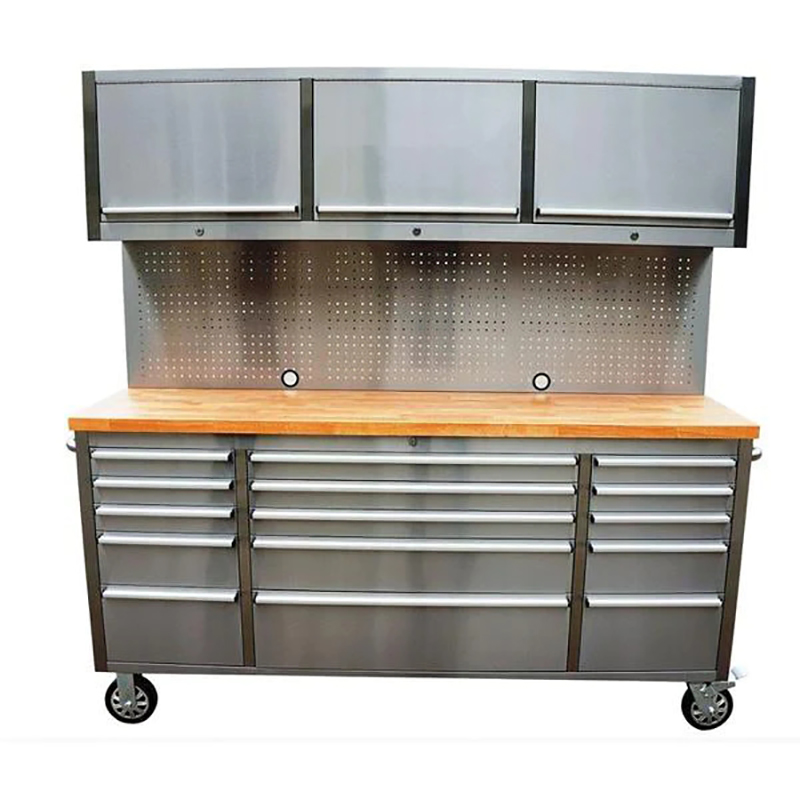
Every extra feature competes for room or adds a decision. More drawers may separate small tools, while fewer, deeper compartments may accommodate larger items. A top surface can be useful for a temporary task, but objects placed there must not obstruct visibility or create a falling hazard during travel. Confirm the intended use of the top with the supplier instead of assuming it is a workbench.
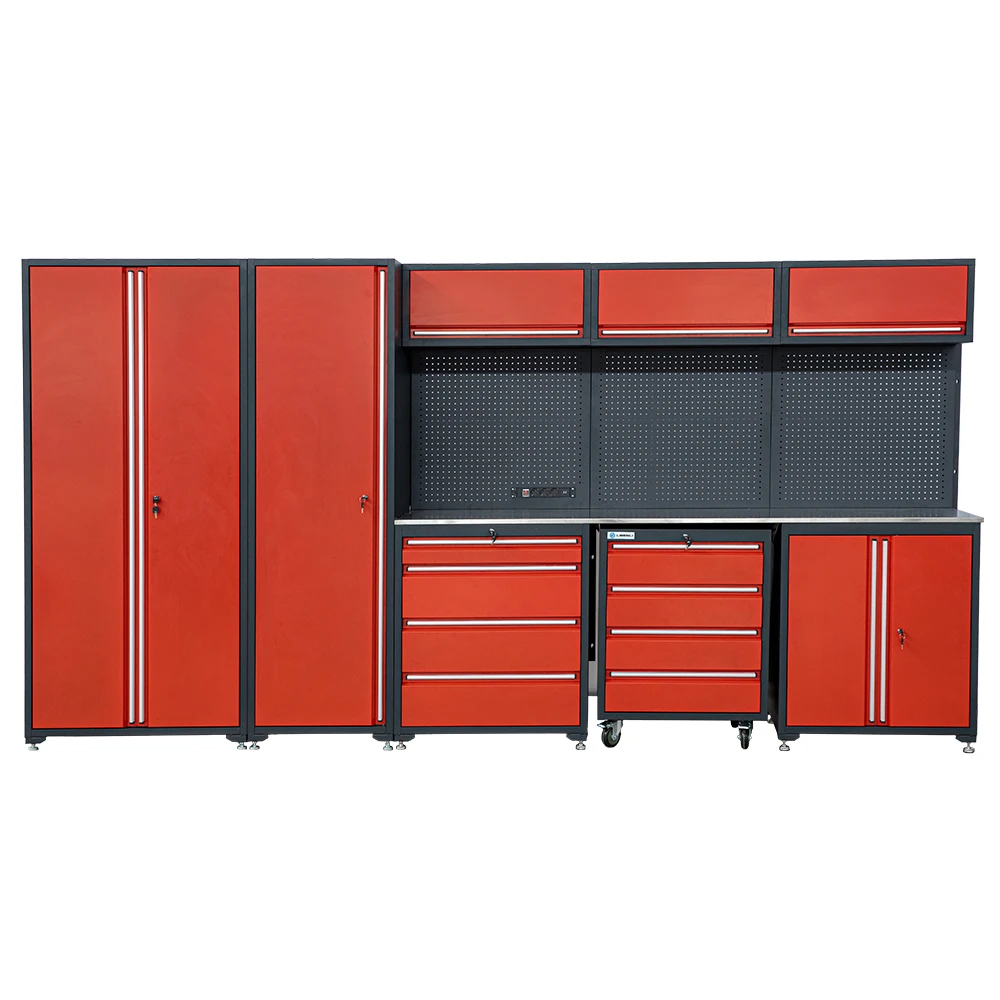
Rolling tool storage also needs clearance around adjacent equipment. Check whether a door can swing, an operator can stand in a comfortable position, and a drawer can be opened without entering a walkway. A parked cart that fits within its marked footprint may still interfere with work once its drawers are extended.
If the station changes frequently, plan a consistent parking position for each task. When work shifts back, return the unit to its designated home and check the route is clear. A routine for parking and returning tools is often as important as the cabinet configuration itself.
Turn the workflow into an OEM specification
For a brand developing rolling tool storage, translate each use condition into a point that can be reviewed with a manufacturer. Include the intended tool groups, proposed overall dimensions, drawer layout, finish requirements, expected working environment, and packaging needs. State the expected loaded weight and how it is distributed, then ask the supplier to confirm the cabinet, drawers, and caster assembly against that brief.
Request drawings or a sample appropriate to the project and check details that may otherwise be missed: tray compatibility, handle clearance, locking action, and access for cleaning or maintenance. Confirm any capacity, durability, and finish claims against relevant documentation before using them in product marketing. Haiyang Libenli's profile describes sheet-metal processing and metal furniture; project-specific construction and capabilities should still be confirmed directly.
A practical trial before a wider rollout
- Group the actual tools by task and decide which items need to travel.
- Measure the workstation, intended parking space, route, and drawer clearance.
- Review the loaded cabinet, caster arrangement, brakes, and operating instructions with the supplier.
- Try the proposed trays and return routine with the people doing the work.
- Record any needed changes and confirm them in the final drawing or specification.
Rolling tool storage adapts when mobility, organization, and the work area are considered together. Start with the tasks and route, test the proposed configuration under realistic conditions, and adjust the brief before committing to a wider order.
 Hot News
