 EN
EN

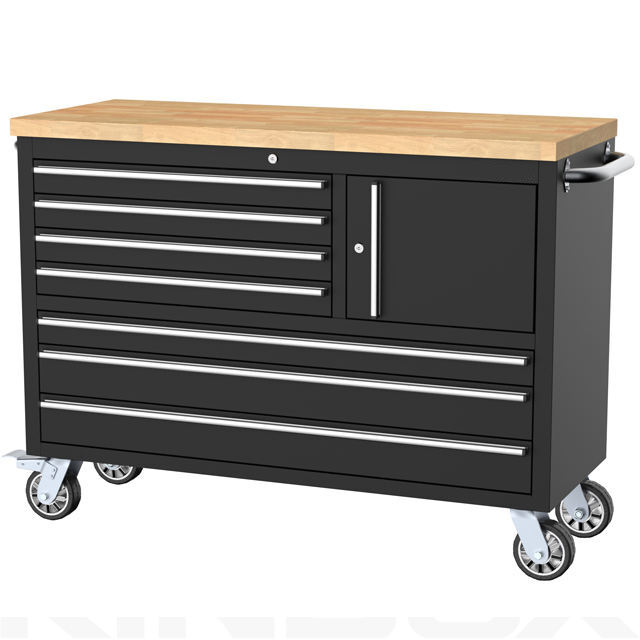
Mencegah Karat Sebelum Bermula: Kawalan Korosi Proaktif untuk Kabinet Logam
Kabinet logam mengalami kemerosotan terutamanya melalui pengoksidaan yang dipantas oleh faktor persekitaran. Pelaksanaan langkah-langkah pencegahan mengurangkan kos penggantian sehingga 60%, menjadikan penjagaan proaktif penting untuk jangka hayat yang panjang.
Memahami Pemicu Karat Biasa: Kelembapan, Garam, dan Kontaminan Permukaan
Tiga faktor utama memulakan proses korosi pada unit penyimpanan logam. Kelembapan relatif melebihi 60% mencipta tindak balas elektrokimia pada permukaan keluli, manakala zarah garam—daripada udara pinggir laut atau jalan raya musim sejuk—bertindak sebagai pemangkin korosi. Kontaminan industri seperti sisa habuk logam atau kesan jari berasid menyebabkan pengikisan tempatan (pitting). Unsur-unsur ini bergabung membentuk laluan elektrolit, membolehkan pengoksidaan pantas berlaku walaupun dalam persekitaran dalaman.
Penyediaan Permukaan dan Aplikasi Perencat: Amalan Terbaik untuk Perlindungan Jangka Panjang
Perlindungan yang berkesan bermula dengan penyediaan permukaan secara teliti:
-
Penyahgraisan & Penyahkontaminasian
Gunakan pembersih beralkali untuk menghilangkan minyak diikuti dengan pembilasan ber-pH neutral untuk menghilangkan sisa bahan kimia -
Penyingkiran Kelembapan
Pastikan pengeringan selama 48 jam dalam persekitaran berkelembapan <40% sebelum rawatan
| Jenis perlindungan | Kekerapan Penggunaan | Kecekapan |
|---|---|---|
| Pemancar VCI | 6–12 bulan | pengurangan kakisan sebanyak 95% |
| Pelindung Polimer | 3–5 tahun | Mencipta halangan oksigen |
| Salut Lilin | Tahunan | Kesan goresan mikro yang boleh pulih sendiri |
Gunakan lapisan perencat yang nipis dan sekata dengan menggunakan alat aplikasi mikrofiber, dengan menumpukan perhatian pada sambungan kimpalan dan tepi di mana kelembapan terkumpul. Lengkapi dengan pelat anod korban di zon berkelembapan tinggi untuk perlindungan elektrokimia.
Pembersihan yang Selamat dan Berkesan untuk Permukaan Kabinet Logam
pembersih BerpH Neutral dan Teknik Mikrofiber untuk Mengekalkan Integriti Penyelesaian Permukaan
Kekalkan kilau kabinet logam anda dengan menggunakan larutan berpH neutral yang mengelakkan penguraian kimia terhadap lapisan pelindung. Detergen ringan yang diencerkan dalam air suam berkesan mengangkat kotoran tanpa kesan korosif, manakala pembersih logam khusus mengekalkan kilau ciri khas keluli tahan karat. Pembersih beralkali yang diencerkan secara tidak betul menyebabkan kerosakan beransur-ansur pada penyelesaian permukaan akibat penggunaan berulang. Gunakan kain mikrofiber yang tidak mudah tanggal sebagai ganti tisu kertas bersama larutan ini, kerana serat ultra-halusnya menangkap kotoran tanpa menggores permukaan. Teknik ini mengurangkan geseran permukaan sebanyak 70% berbanding kain kapas, seterusnya mengelakkan goresan mikro yang boleh melemahkan rintangan terhadap kakisan. Sentiasa lap mengikut arah urat logam untuk mengekalkan rupa yang seragam.
Mengelakkan Goresan Mikro: Pelapkan Debu Semasa Kering, Lap dengan Tisu Tidak Mengikis, dan Panduan Kejapan
Laksanakan pendekatan tiga langkah untuk menghilangkan kesan goresan mikroskopik: Pertama, lakukan pengelap debu kering harian dengan pelapik mikrofiber elektrostatik untuk menangkap zarah-zarah longgar sebelum ia melekat pada permukaan. Kedua, bersihkan setiap dua minggu sekali menggunakan lap bukan tenunan yang dibasahkan dengan sedikit tekanan, dengan fokus pada kawasan sentuh tinggi seperti pemegang—dan elakkan gerakan membulat yang menyebabkan kesan berpusing yang kelihatan jelas di bawah pencahayaan terus. Ketiga, jalankan pembersihan mendalam setiap suku tahun, dengan meningkatkan kekerapan kepada setiap bulan di kawasan pesisir di mana aerosol garam mempercepat proses abrasi. Teknik yang betul memperpanjang jangka hayat kabinet sebanyak 3–5 tahun dengan mengekalkan integriti halangan wap pada siap-siaga salutan serbuk. Sentiasa lakukan ujian tempat tersembunyi pada kawasan yang tidak kelihatan apabila memperkenalkan agen pembersih baharu.
Siap-siaga Pelindung dan Pelinciran: Memperpanjang Jangka Hayat Estetik dan Fungsional Kabinet Logam
Waks, Pelindung Polimer, dan Salutan Berasaskan VCI: Menyesuaikan Perlindungan dengan Persekitaran
Mengaplikasikan penyelesaian pelindung khusus membentuk halangan kritikal terhadap kakisan. Lapisan lilin mencipta lapisan penolak lembap yang ideal untuk dalaman berkelembapan rendah. Segel polimer menawarkan rintangan kimia yang ditingkatkan untuk bengkel yang terdedah kepada pelarut. Bagi kawasan pesisir atau industri, lapisan berbasis VCI (Perencat Kakisan Wap) membebaskan molekul pelindung yang meneutralkan kontaminan udara. Makmal yang menggunakan penyelesaian bersalut serbuk melaporkan pengurangan 60% dalam degradasi permukaan selepas 18 bulan disebabkan oleh peleburan resin polimer. Padankan penyelesaian dengan ancaman persekitaran: gunakan segel polimer untuk rintangan kimia, dan teknologi VCI di kawasan yang berkemungkinan terdedah kepada garam.
Pelinciran Terarah pada Engsel, Gelongsor, dan Kunci untuk Mencegah Kakisan Akibat Geseran
Geseran pada komponen yang bergerak mempercepat kerosakan dan mencipta lekuk mikro di mana karat terbentuk. Gunakan pelincir berbasis silikon pada engsel setiap enam bulan sekali untuk mengelakkan geseran logam-ke-logam. Untuk landasan laci, gunakan pelincir berfilm kering yang tidak akan menarik habuk. Mekanisme kunci mendapat manfaat daripada serbuk grafit, yang tidak akan menyumbat tumbler. Kakisan akibat geseran menyumbang kepada 30% kegagalan kabinet awal. Jadualkan pelinciran semasa pembersihan berkala untuk membuang kotoran terlebih dahulu—penjagaan proaktif mengekalkan operasi yang lancar sambil menghilangkan titik masuk pengoksidaan.
Pemeriksaan dan Intervensi Awal: Menjaga Kepaduan Struktur Kabinet Logam
Jadual pemeriksaan proaktif menghalang isu-isu kecil daripada menjejaskan integriti struktur kabinet logam anda. Jadualkan penilaian setiap suku tahun untuk memeriksa kawasan kritikal seperti sambungan, kelim, dan permukaan yang menanggung beban bagi mengesan retak, ubah bentuk, atau permulaan kakisan. Tanda-tanda awal—seperti karat pada permukaan engsel atau sedikit ketidakselarasan pada peluncur laci—memerlukan tindakan segera untuk mengelakkan perkembangan lebih lanjut. Mengencangkan perkakasan yang longgar mengurangkan tekanan pada komponen logam, manakala penggunaan perencat kakisan pada kawasan terjejas menghentikan perkembangan karat. Dokumen semua dapatan untuk menetapkan garis asas penyelenggaraan dan memantau corak kemerosotan. Fasiliti yang melaksanakan protokol pemeriksaan tersusun melaporkan jangka hayat kabinet sehingga 40% lebih panjang dengan menangani haus sebelum berlakunya kegagalan—mengurangkan gangguan operasi dan mengelakkan penggantian yang mahal.
Soalan Lazim
Apakah yang menyebabkan kabinet logam berkarat?
Karat terutamanya disebabkan oleh pengoksidaan, yang sering dipicu oleh kelembapan, garam, dan kontaminan permukaan. Faktor-faktor ini mencipta laluan elektrolit yang mempercepat proses kakisan.
Bagaimana saya boleh mencegah karat pada kabinet logam?
Anda boleh mencegah karat dengan menyediakan permukaan secara betul, menggunakan perencat seperti pemancar VCI atau pelapik polimer, serta mengekalkan kebersihan dengan pembersih bersifat neutral pH dan kain mikrofiber.
Pelapik pelindung manakah yang paling sesuai untuk kabinet logam?
Pelapik lilin sesuai digunakan di kawasan berkelembapan rendah, pelapik polimer tahan bahan kimia, manakala pelapik berbasis VCI paling sesuai untuk persekitaran pantai atau industri.
Berapa kerap saya perlu membersihkan kabinet logam?
Penghabisan kering harian, pembersihan lembap dua kali seminggu, dan pembersihan mendalam setiap suku tahun disyorkan. Di kawasan pantai, tingkatkan kekerapan pembersihan mendalam kepada setiap bulan.
Langkah penjagaan manakah yang membantu memperpanjang jangka hayat kabinet logam?
Pemeriksaan berkala, intervensi awal untuk mengatasi karat ringan, pelinciran tepat waktu pada bahagian yang bergerak, dan lapisan pelindung yang sesuai boleh memperpanjang jangka hayat kabinet logam.
Kandungan
- Mencegah Karat Sebelum Bermula: Kawalan Korosi Proaktif untuk Kabinet Logam
- Pembersihan yang Selamat dan Berkesan untuk Permukaan Kabinet Logam
- Siap-siaga Pelindung dan Pelinciran: Memperpanjang Jangka Hayat Estetik dan Fungsional Kabinet Logam
- Pemeriksaan dan Intervensi Awal: Menjaga Kepaduan Struktur Kabinet Logam
-
Soalan Lazim
- Apakah yang menyebabkan kabinet logam berkarat?
- Bagaimana saya boleh mencegah karat pada kabinet logam?
- Pelapik pelindung manakah yang paling sesuai untuk kabinet logam?
- Berapa kerap saya perlu membersihkan kabinet logam?
- Langkah penjagaan manakah yang membantu memperpanjang jangka hayat kabinet logam?