 EN

Product Introduction to Our Custom Rolling Tool Storage
A tool storage brand may know that its customers need tools close at hand, yet still have an open question: what should the cabinet carry, where will it travel, and how should the tools be arranged? Our custom rolling tool storage discussion starts with those details rather than a fixed list of assumed features. Haiyang Libenli Metal & Technology works in sheet metal processing, pipe processing and customized metal solutions. The configuration, materials and performance of a particular storage project need to be confirmed against its approved specifications.
This introduction is for brands and purchasing teams exploring an OEM project. It explains the decisions behind a mobile storage brief; it is not a specification sheet for a particular model. No matched product details were supplied for this article, so dimensions, capacities, hardware and finish are intentionally left for project review.
Start With the Work the Cabinet Needs to Do
Rolling tool storage brings the idea of organized storage together with movement between work areas. Before choosing a layout, map the tools that will travel with the unit and those that can stay at a fixed station. A service team moving between work bays may value access to a smaller daily kit, while a stationary work area may need a different arrangement.
Consider a hypothetical brand planning a mobile cabinet for technicians. Its initial brief says only “wheeled tool cabinet.” A more useful brief would list the frequently accessed tools, the space available in each bay, the route between bays and the intended users. Those answers give the design discussion a starting point. They do not establish that a particular configuration already exists or has been tested.
Translate a Brand Brief Into a Configuration
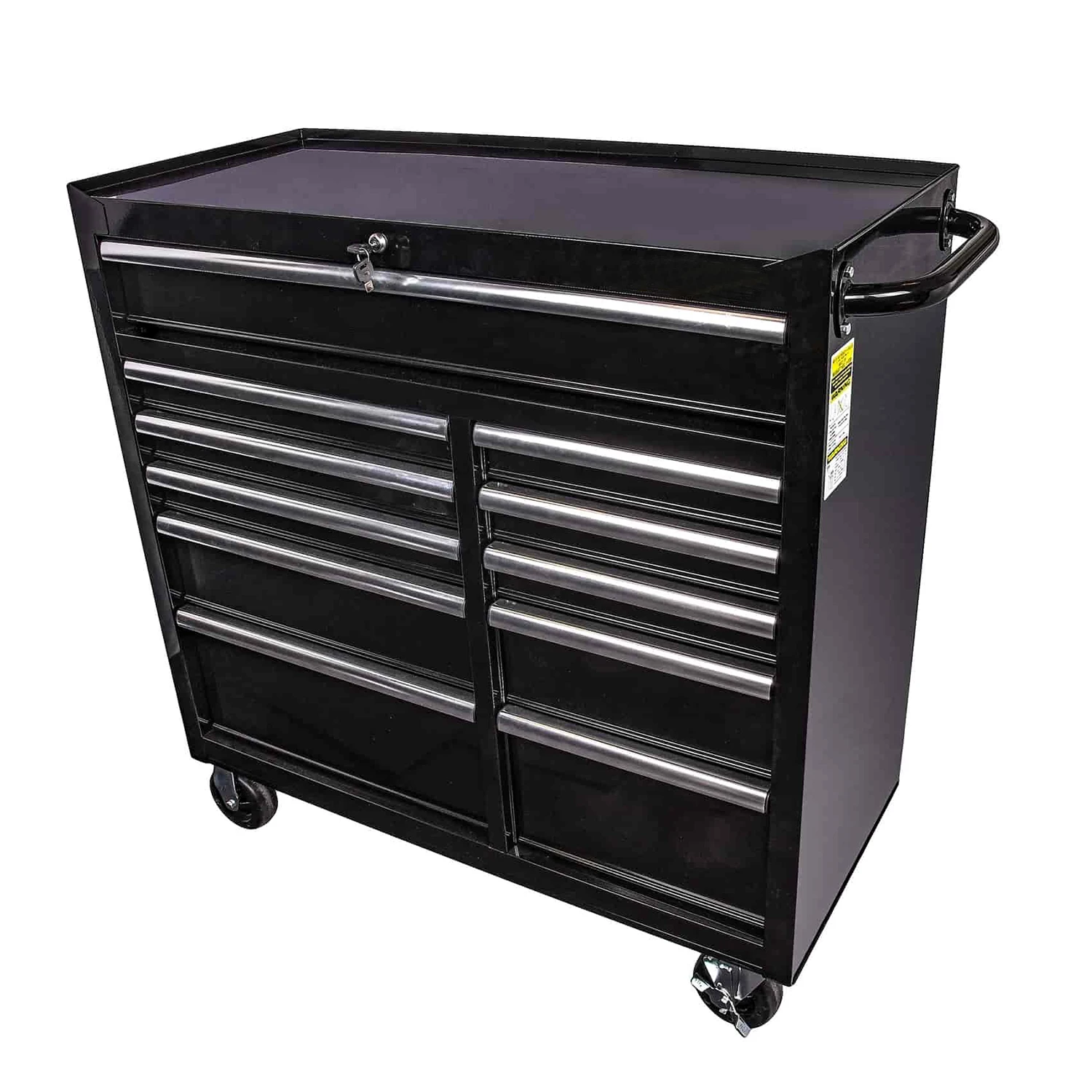
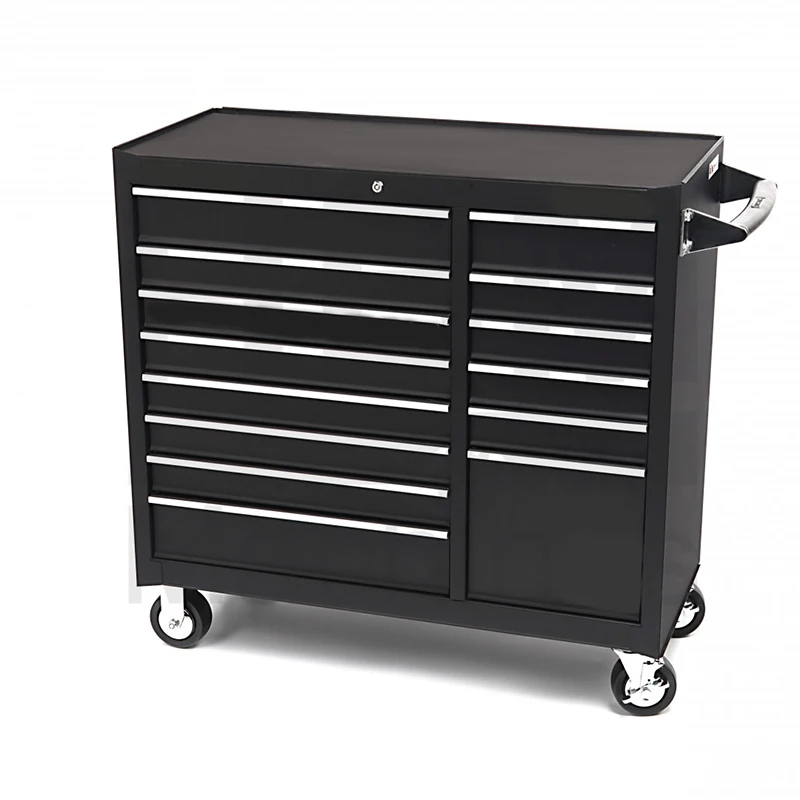
Custom rolling tool storage can be discussed as a set of connected choices. The outer footprint affects where the unit can stand; the internal layout affects what can be stored and retrieved; the wheel arrangement affects the route it is intended to take. Each choice should be checked with the supplier before the brand prepares its own product description.
Cabinet body and access
Share the available width, depth and height at the intended work area, including clearance for any opening parts. If the design under discussion includes drawers, specify what needs to fit inside them and whether dividers or other organization features are requested. A drawer layout that suits compact hand tools may not suit larger items. Ask for drawings showing usable internal space, rather than relying only on outside dimensions.
For rolling tool storage that must pass through doorways or around equipment, include the movement route in the brief. Note thresholds, floor joints, slopes and areas where the unit must turn. These details can influence the space and hardware to review. They are not a substitute for confirming a finished unit's handling instructions.
Wheels, movement and loaded weight
Discuss the expected combined weight of the cabinet, tools and accessories, along with the floor surface and the frequency of movement. Caster selection guidance considers load and floor conditions together; the appropriate wheel, mounting method and any braking arrangement must be determined for the specific design. Request the applicable ratings and instructions in writing. Do not infer the cabinet's overall load rating from a single component.
Where rolling tool storage is intended to stand near a work area, review how it will be positioned and secured during use. Ask which operating practices and limits apply to the proposed unit. Placing heavier items lower can be a useful general storage consideration, but the supplier's instructions and the site's safety assessment should govern the actual arrangement.
Where Metal Processing Fits the Conversation
Haiyang Libenli's profile identifies sheet metal processing and customized metal solutions. In a storage project, a brand can use this context to discuss the intended cabinet body and formed components, with the material, thickness, joints and finish specified for review. The profile alone does not establish the construction or production route of a specific cabinet.
The company profile also lists pipe processing. If a proposed design calls for a tubular component, bring its dimensions, intended function and joining requirements into the project discussion. Whether that process is appropriate, and whether it will be used on a particular unit, depends on the agreed design. There is no need to add a tube simply to make a product description sound more technical.
Review a Sample Against the Intended Use
Before describing rolling tool storage to customers, a brand can agree on what evidence it needs for the proposed configuration. A drawing review helps clarify the visible arrangement; a sample review can address fit, access and finish. The exact review process and any testing must be agreed for the project rather than presumed from this introduction.
- Fit: Compare external dimensions and opening clearances with the intended workspace and route.
- Organization: Check requested compartments against a representative tool list and confirm usable interior dimensions.
- Mobility: Review wheel type, mounting, any requested locks, and the documented load limits for the complete unit.
- Finish and identity: Confirm the color reference, surface expectations, label placement and packaging scope where applicable.
- Documentation: Agree on the drawing revision, inspection criteria and any test methods before making claims in sales material.
For example, a brand might request a deeper compartment for a larger tool. That change can affect the surrounding layout and the weight distribution. Review it alongside the full cabinet design instead of treating it as an isolated cosmetic change.
Prepare an Inquiry That Can Be Reviewed
A clear inquiry for rolling tool storage does not need to contain every engineering answer. It does need to separate known requirements from decisions still open. Provide a sketch or reference drawing if available, a list of intended contents, target workspace dimensions and information about the floor. Identify the market and any requirements your own compliance team has established, without assuming that a general material-handling rule certifies the product.
Also indicate which elements are requests: drawer arrangement, hardware, color, labels and packaging. Ask which details require further review and what documentation would be available for the proposed scope. A written revision trail helps the purchasing and product teams compare quotations on the same basis.
Discuss Your Custom Storage Project
Our rolling tool storage introduction is a starting point for a conversation with Haiyang Libenli, not a promise of a standard configuration. Share your intended use, tool list and draft requirements when requesting a project discussion. The next useful step is to confirm the design, scope and supporting evidence before selecting components or publishing specifications.

 Hot News
