 EN
EN

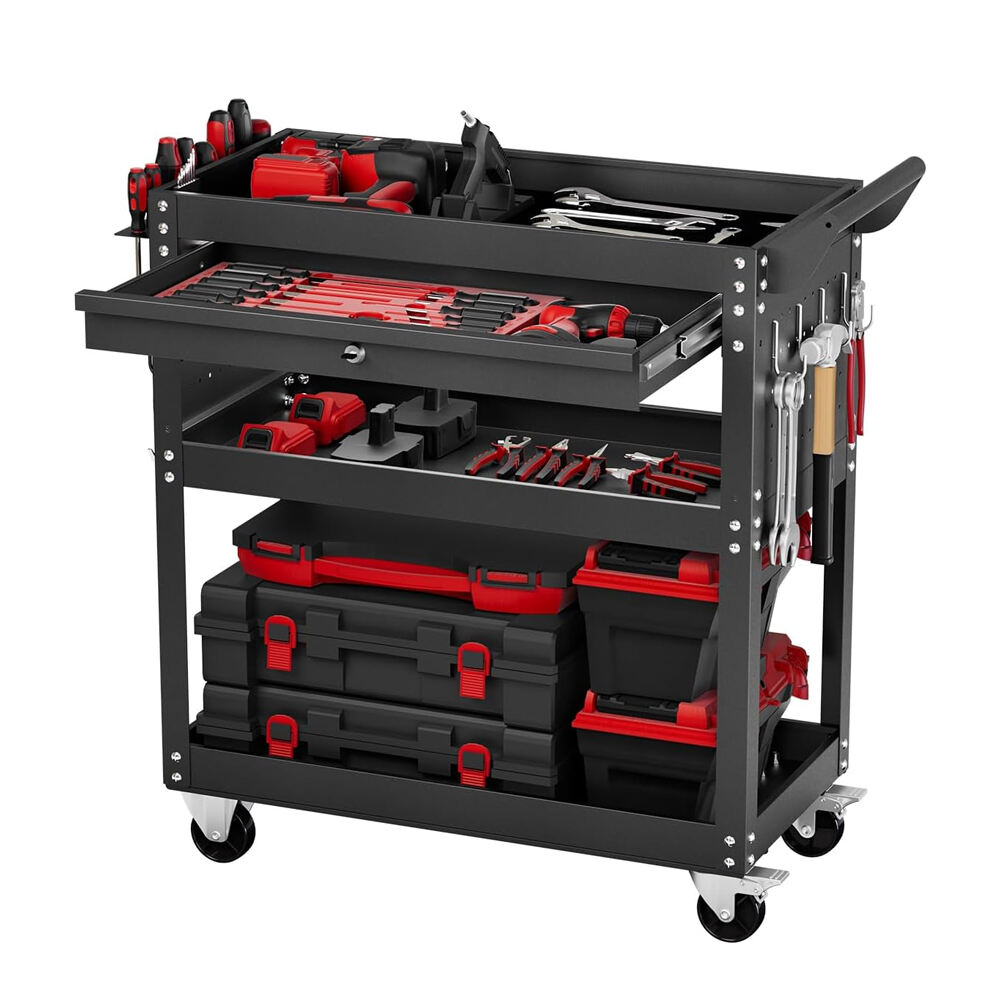
Зашто колица за алат високе капацитивности побољшавају ефикасност радног тока у професионалним гаражама
У професионалним сервисима за поправку, добри алати морају да раде са тим како се техничари заправо крећу уместо да им буду на путу. Признајмо, ти стари шкафови изазивају главобоље власницима продавница свуда. Према неким истраживањима које се читају, око седам од десет власника предузећа троши више од пола сата сваког дана тражећи изгубљене алате. Ту су корисне колице са алатом високе капацитета. Ови мобилни радни коњи имају глатке роле и паметне подешевања купе тако да је све што је потребно за посао одмах под руком. Најбољи могу да носе више од 1.500 килограма опреме, што значи да техничари не морају да путују више пута између залива када раде на сложеним пословима. Подијелови извештавају да су смањили губитак времена за око 40 посто након што су прешли на ове системе. Плус, већина долази са прилагодљивим фалдерима који омогућавају екипи да прередују ствари док се њихова колекција шири месец по месец.
Издржљивост по дизајну: Измер челика и квалитет изградње у тешка возила
Разумевање челичног гама: Зашто је 18 гама бољи од 20 гама
Челични гампер директно одређује отпорност колице за алате. Нижи бројеви означавају дебљи челик: 18-галибра (0,0478 "дебљи) пружа 42% већу капацитета оптерећења од 20-галибра. Индустријска тестирање потврђује 18-гајмре оквире отпору деформације испод 1000+ фунти, док 20-гајмре јединице често заплет у близини 600 фунти.
| Промјештај | Дебљина (инчи) | Карактеристична носивост | СРЕДНЕ случајеве употребе |
|---|---|---|---|
| 18 | 0.0478 | 12001500 фунти | Професионалне аутомеханичаре |
| 20 | 0.0359 | 600–800 lbs | Гараже за лаке радове код куће |
Студије показују да конструкција од 18-калибар смањује трошкове одржавања на дужи рок за 31% у радним просторима са интензивним саобраћајем.
Подаци о тестирању оптерећења: Упоређивање чврстоће оквира код колица за алат високе носивости
Тестови независних страна откривају кључне разлике:
- 18-gauge okviri održavaju integritet pri 1.200 lbs (industrijski standard sigurnosti)
- 20-gauge okviri trajno se deformišu pri 800 lbs
- Dvostruko zavareni spojevi povećavaju otpornost na zamor za 58% u testovima napona sa 300 ciklusa
Studija slučaja iz 2024. godine pokazala je da mehaničari češće menjaju kolica sa 20-gauge okvirima, i to 2,3 puta češće, zbog progibanja police
Balansiranje lagane konstrukcije i strukturne čvrstoće: objašnjenje kompromisa
Optimalni odnosi težine i čvrstoće postižu se putem:
- Pojačani uglovnici (29% krutiji otpor na torziju)
- Zavarani vodilice fioke (sprečavaju razdvajanje pri vibracijama)
- Strateško ugušćavanje u nekritičnim zonama
Pravilno projektovana kolica sa 18-gauge okvirom imaju 19% manju težinu u odnosu na potpuno ugušćene dizajne, a zadržavaju 97% nosivosti.
Рад слайдова фиока и носивост: Инжењерска поуздана употреба
Колици за алат професионалног квалитета ослањају се на инжењерске слайдове фиока који балансирају носивост и глатко отварање. Ови делови директно утичу на ефикасност и дужину трајања у захтевним условима.
Слайдови са кугличним лежајевима са носивошћу од 45+ кг: Технологија иза глатког рада
Просечени челични водиље са 32–48 микролежаја по фиoci омогућавају безначелно померање терета од 45 кг. Овакав дизајн смањује трење за 89% у односу на ролнер механизам, минимизирајући напон приликом приступања. Када су правилно подмазани, ови слайдови одржавају перформансе кроз 50.000 циклуса отварања/затварања.
Механизми потпуног извлачења и меког затварања: Предности за дужи век трајања и сигурност
Слайдери са потпуним испруживањем омогућавају комплетан приступ фиоци, смањујући случајно падање алатки за 42%. Меки затварачи апсорбују кинетичку енергију услед честе употребе — посебно корисно тамо где се фиоке затварају стотинак пута дневно. Заједно, ове карактеристике продужују век трајања за 3–5 година у односу на основне системе.
Дво-шински насупрот троструким шинским системима: Шта је боље за професионалну употребу?
| Особност | Дво-шински (150 lbs) | Троструки шински (300 lbs) |
|---|---|---|
| Стабилност на радној површини | Погодно за мобилну употребу | Идеално за стационарна колица |
| Учесталост поправки | Сваких 18-24 месеца | Сваких 36-48 месеци |
| Брзина приступа алату | Брже отварање фиока | Помоћу клизача постижете прецизну фокусацију |
Системи са три шине одлично функционишу у трајним инсталацијама где је потребна максимална носивост, док су системи са две шине бољи за мобилне примене где је потребан брз приступ.
Мобилност која има значај: квалитет точкића и маневарски капацитет на радној површини
Ротација, закључавање и висина воза: кључне карактеристике точкића за теретне колици за алат
360 степени окретајући ролери олакшавају маневрирање око тих досадних препрека са којима се свакодневно суочавамо, од подношења дока до складишта. Оно што се заиста истиче су двоструки системи за закључавање који засичу и само точка и окретни механизам. То значи да када неко гура тешка терета преко пода, рецимо нешто тежине око 800 килограма на сваком ролицу, нема апсолутно никаквог нежељеног кретања. За глаткију радњу на грубом фабричком поду, тражите најмање 15 сантиметара дубину густине. Ове димензије пружају добру равнотежу између проласка кроз грубе тачке у бетону и одржавања одговарајуће висине тако да радници не натежу леђа подизањем ствари на положај.
Полиуретанова и гумена каска: Перформансе на бетонским и епоксидним подовима
Тестирање показује да полиуретани надмашују гуму у издржљивости и заштити пода:
| Метричка | Кастери од полиуретана | Гумени рули |
|---|---|---|
| Отпор ваљању | 18% ниже | 22% Више |
| Смањење буке | 14 ДБ смањење | 6 ДБ смањење |
Често постављене питања
Која је предност употребе колица са алатом великом капацитетом?
Колици за алат високог капацитета побољшавају ефикасност радног процеса смањивањем трате времена у потрази за алатом, заслугом мобилне конструкције и паметне поделе простора.
Зашто је челик дебљине 18-гауџа бољи за колици за алат?
челик дебљине 18-гауџа је дебљи и омогућава већи капацитет терета, што га чини издржљивијим и отпорнијим у односу на оквире од челика дебљине 20-гауџа, посебно у професионалним условима.
Које су предности теглеца са кугличним лежајевима?
Теглаци са кугличним лежајевима смањују трење и осигуравају глатко отварање, подржавајући тешке терете и побољшавајући дужину трајања и ефикасност колица за алат.
Како се полиуретанске точкове успоређују са гуменим точковима?
Полиуретанске точкове имају мањи отпор при котрљању и боље смањење буке, што их чини издржљивијим и бољим у заштити подова у односу на гумене точкове.
Садржај
- Зашто колица за алат високе капацитивности побољшавају ефикасност радног тока у професионалним гаражама
- Издржљивост по дизајну: Измер челика и квалитет изградње у тешка возила
- Рад слайдова фиока и носивост: Инжењерска поуздана употреба
- Мобилност која има значај: квалитет точкића и маневарски капацитет на радној површини
- Често постављене питања