 EN
EN

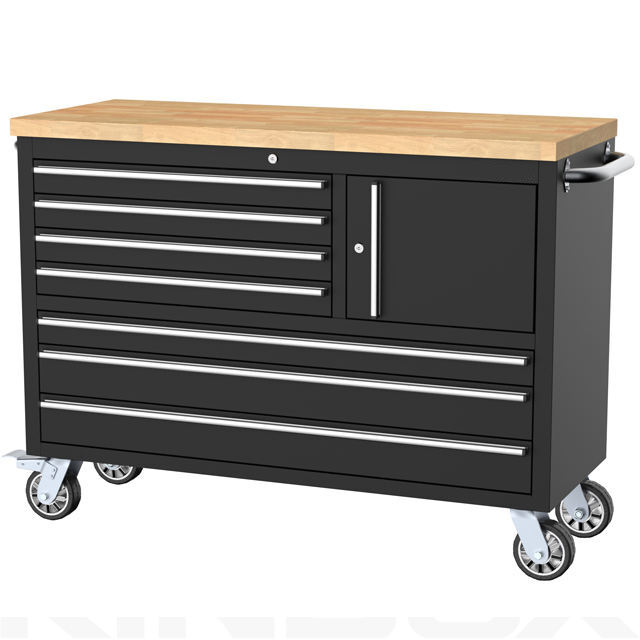
Why Custom Metal Cabinet Sizes Maximize Space and Functionality
Design flexibility based on space and functional needs drives modern storage solutions
The problem with standard storage solutions is they just don't fit anything properly. Custom metal cabinets solve this issue completely. According to research from the Material Handling Institute last year, companies that switched to customized metal storage saw their workflow improve by almost 40%. The secret? Adjustable shelves and modules that can be mixed and matched according to need. Standard sized cabinets simply cannot handle special equipment like those long welding torches we all struggle with, nor do they work well in spaces where walls aren't perfectly square. And here's the best part: these custom designs still hold up structurally despite all the modifications.
Space utilization based on room dimensions ensures optimal fit
Getting accurate measurements makes all the difference when turning those awkward dead spaces into actual storage areas. Take garages with sloped ceilings below seven feet high for instance. When someone installs vertically staggered metal cabinets there, they can actually reclaim around nineteen point two cubic feet of otherwise wasted space above head height. That number comes from some pretty solid spatial optimization studies. Now look at what happens in industrial settings where businesses go for wall to wall custom built storage solutions. These facilities tend to have about sixty three percent fewer obstacles standing in the way compared to off the shelf storage units which often leave annoying little gaps between them. The problem with standard cabinets is they typically waste about six and a half inches on each side as spacing, something nobody really needs but everyone ends up paying for anyway.
Storage space optimization through tailored cabinet proportions
Custom metal cabinets come with depth options ranging from 8 inches to 24 inches and compartment heights between 6 inches and 36 inches, which cuts down wasted space by around 40% compared to regular models. Real world examples tell us that many workshops manage to fit over 47 power tools into 18 inch deep cabinets where standard 24 inch units would get too crowded. When it comes to storage height, going all the way up to 96 inches lets businesses make good use of vertical space for those seasonal items nobody uses year round. This is especially handy in warehouses where ceiling clearance is limited to about 14 feet, something most standard cabinets just can't handle without making things inaccessible.
Custom Metal Cabinet Applications in Garages and Workshops
Enhancing Workflow Efficiency With Garage-Specific Metal Cabinet Layouts
When garages install custom metal cabinets, they actually make their daily operations run smoother because these storage solutions match how workers move around the space. Mechanics can put adjustable shelves and sliding doors right where they need them, so common tools stay close at hand while working on cars. The Workspace Efficiency Report from last year found that this setup cuts down tool hunting time by about 27% over regular cabinets. Putting cabinets in busy spots creates special work areas throughout the shop. Take for instance those heavy duty 12 gauge steel cabinets we see near service bays these days. They come with built in power strips that let technicians charge all their cordless equipment without running extension cords across the floor.
Maximizing Vertical Storage in Garages for Tools and Equipment
Vertical metal cabinet systems reclaim 65% of underutilized upper-wall space in typical 2-car garages. For example:
| Storage Feature | Space Reclaimed | Ideal For |
|---|---|---|
| 84" Tall Lockers | 18 cu.ft | Ladders, PVC pipes |
| Overhead Shelving | 12 sq.ft | Seasonal tires, bulk fluids |
| Pegboard Cabinets | 8 linear feet | Wrenches, pliers, rotary tools |
Retractable shelf designs maintain accessibility while avoiding the 24" depth limit that causes standard cabinets to obstruct garage door tracks.
Case Study: Transforming a Cluttered Garage With Custom-Sized Metal Cabinets
A 200 sq.ft home garage overhaul illustrates custom metal cabinet benefits:
Initial State:
- 40% floor space occupied by disorganized tools
- No dedicated zones for automotive vs. gardening equipment
Solution:
- 72"W x 24"D rolling tool cabinets with 16 removable bins for small parts storage
- Ceiling-mounted 10-gauge steel cabinets for infrequently used holiday decor
- Corner L-shaped cabinet cluster with retractable work surface
Outcome:
- 92% floor space cleared within 48 hours of installation
- Tool retrieval time cut from 9 minutes to 42 seconds per task
This reconfiguration demonstrates how dimensional customization solves spatial inefficiencies inherent in prefabricated storage systems.
Optimizing Warehouse Storage with Custom-Sized Metal Cabinets
Integrating Custom Metal Cabinet Sizing into Warehouse Design Principles
Today's warehouse operations need storage solutions specifically designed to fit their unique spaces and workflow needs. Standard shelving often forces businesses to work around fixed sizes, but custom metal cabinets can actually be built around existing columns, ceiling heights, and loading areas. Companies that invest in these made-to-order systems typically see about 15 to 22 percent better space utilization than those stuck with off-the-shelf options. What this means is wasted corner spaces and unused vertical areas get turned into productive storage spots while still allowing forklifts to move freely throughout the facility without any major roadblocks.
Modular Metal Storage Units for Scalable Warehouse Organization
Steel frames that can be adjusted along with components that can be rearranged let facilities adapt easily when inventory changes over time. Warehouses dealing with products that come and go with seasons find value in storage dividers that can be taken out or moved around, shelving tracks that grow as new SKUs arrive, plus base units that lock together to keep multiple cabinets stable. Unlike traditional cabinets with fixed sizes that hit a storage limit pretty quickly, these modular setups solve that problem completely. As business requirements shift throughout the year, warehouse managers can scale their storage investments up or down without wasting space or money on equipment that sits unused during off-peak periods.
Smart Layout Algorithms Improving Cabinet Placement in Large Facilities
Advanced space-planning software now integrates with building information modeling (BIM) systems to simulate custom metal cabinet arrangements. These tools analyze:
| Factor | Optimization Goal | Typical Improvement |
|---|---|---|
| Worker travel paths | Reduced retrieval time | 18–27% |
| Pallet rotation | Improved inventory accessibility | 31% |
| Safety clearances | Compliance zone preservation | 100% |
By mapping cabinet placements to real-time inventory movement data, warehouses achieve dynamic storage configurations that traditional grid layouts can't match.
Engineering the Perfect Fit: Key Dimensions in Custom Metal Cabinet Design
Cabinet Height Considerations for Accessibility and Room Compatibility
For rooms with 96" ceilings, custom cabinet heights between 84–90" maximize vertical storage while preserving 6–12" clearance for lighting fixtures and HVAC systems. Ergonomic studies show primary storage zones should occupy the 24–60" vertical range—aligned with average adult reach—while reserving upper sections for less-frequently-used items.
Optimal Depth for Efficient Storage Without Obstructing Movement
According to industry data, around 85 percent of accidents in workspaces related to storage units happen because people pick the wrong depth for their cabinets. When cabinets go over 24 inches deep in busy parts of the shop, they cut down on those standard 36 inch aisles that OSHA actually recommends keeping open. For better safety and efficiency, most shops find that putting smaller cabinets between 12 to 18 inches deep works great right next to where workers are actually doing their tasks. These hold all the little tools and stuff they need constantly. The bigger 24 inch ones tend to get placed along walls where there's space for heavier machinery. And don't forget about those special shallow cabinets only 6 to 10 inches deep which can fit nicely above doors or window sills without getting in anyone's way.
Accommodating Oversized or Specialized Tools With Precision Measurements
CNC-fabricated metal cabinets now routinely store items ranging from 96" pipe wrenches to 300 lb. hydraulic jacks through advanced dimensioning techniques. One leading automotive workshop increased tool retrieval speed by 40% after implementing cabinets with 3/4" tolerance buffers around stored equipment, removable intermediate shelves, and dual-depth compartments (18" front / 24" rear).
Ergonomic Alignment in Custom Metal Cabinet Dimensioning
Research shows workplaces see about 72 percent fewer musculoskeletal injuries when cabinets are designed according to NIOSH's vertical reach recommendations. When setting things up right, everyday items should be within easy reach zones - around 15 degrees when sitting down and no more than 35 degrees when standing up. Heavy stuff needs to stay under 48 inches from the floor so nobody strains lifting it, while important visual cues work best between roughly 55 to 65 inches in front of someone's eyes. According to last year's Storage Solutions Journal, companies that actually design their storage spaces based on human body measurements tend to get about 22% better productivity numbers compared to places stuck with generic off-the-shelf cabinets. Makes sense really, since people just work better when everything fits naturally into their workflow.
From Concept to Installation: The Custom Metal Cabinet Fabrication Process
How Customization Ensures Long-Term Utility of Metal Storage Solutions
Metal cabinets made to order solve storage problems right now but also grow with business needs thanks to their modular setup and expandable design options. These custom builds actually fit tools that are about 7 to maybe even 15 percent bigger than what most manufacturers typically offer, as reported by the Storage Optimization Institute back in 2023. This makes them work well with all sorts of special equipment that doesn't fit into standard sized boxes. Looking at warehouse operations research, companies using these tailored solutions end up replacing their storage units roughly 63% less often than those stuck with off-the-shelf options. Makes sense when thinking long term, really.
Step-by-Step Guide to Custom Metal Cabinet Manufacturing
- Needs Assessment: Engineers evaluate workflow patterns and spatial constraints using 3D laser scanning
- Material Selection: 14–18 gauge steel balances durability and weight for most applications
- Precision Fabrication: CNC machines cut components within ±0.5mm tolerances
- Modular Assembly: Interchangeable shelves and drawer systems allow reconfiguration
- Surface Treatment: Powder-coating adds scratch resistance while maintaining 98% color consistency
Collaborative Design Strategy Between Client and Fabricator for Best Results
Leading fabricators employ iterative prototyping, where clients test 1:10 scale models before final production. This process identifies 89% of potential layout issues early, saving 21–35% in retrofit costs. Cross-functional teams combine client insights with ergonomic principles, creating storage solutions that improve access speeds by 40% in high-traffic areas (Industrial Design Journal 2024).
Frequently Asked Questions
What are the benefits of using custom metal cabinets over standard ones?
Custom metal cabinets offer tailored solutions that maximize space and functionality, adjust to specific requirements, and enhance workflow efficiency. They also tend to have a longer lifespan and require fewer replacements than standard options.
How do custom metal cabinets improve space utilization in warehouses and garages?
Custom cabinets are designed to fit specific spaces and can adapt to existing structures, thereby minimizing wasted spaces. They optimize vertical storage and reclaim otherwise unused upper-wall spaces, making room for additional equipment.
Are custom metal cabinets worth the investment?
Yes, custom metal cabinets are often worth the investment as they offer improved efficiency, space utilization, and adaptability over time. This can result in significant cost savings and enhanced productivity over the long term.
How does the customization process work for these cabinets?
The process typically involves a needs assessment, material selection, precision fabrication, modular assembly, and surface treatment to ensure the cabinets fit the specific needs and conditions of the job site.
Table of Contents
- Why Custom Metal Cabinet Sizes Maximize Space and Functionality
- Custom Metal Cabinet Applications in Garages and Workshops
- Optimizing Warehouse Storage with Custom-Sized Metal Cabinets
- Engineering the Perfect Fit: Key Dimensions in Custom Metal Cabinet Design
- From Concept to Installation: The Custom Metal Cabinet Fabrication Process
- Frequently Asked Questions