 EN
EN

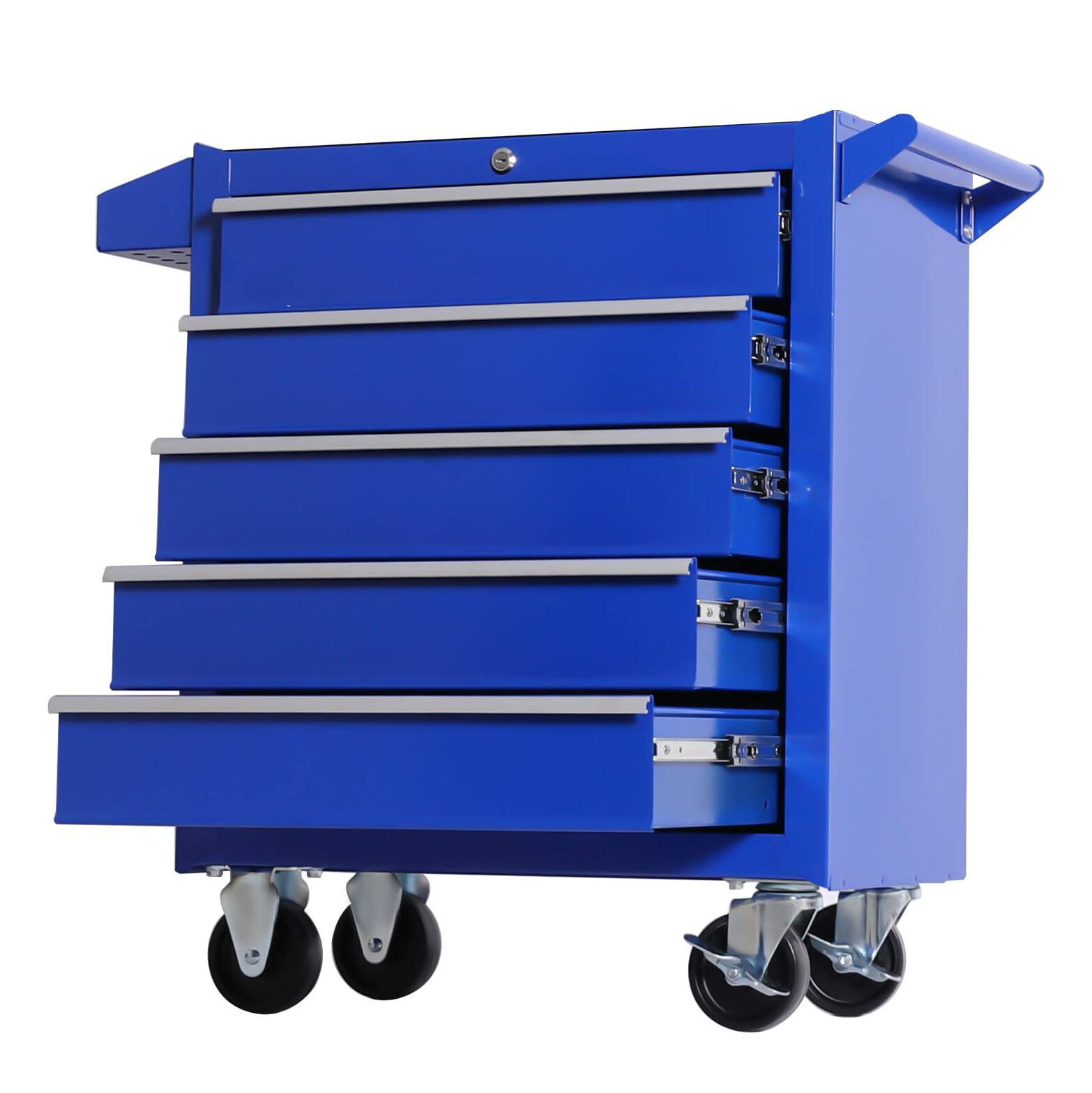
Why Standard Garage Cabinets Waste Space in Irregular Garages
Most standard garage cabinets are designed for perfect rectangles, but let's face it - very few garages actually look like that. We've all seen those tricky spots where the ceiling slopes down at an odd angle, corners don't quite meet at right angles, or there's some bulky HVAC equipment sticking out from the wall. These little quirks make finding ready made storage solutions almost impossible. The gaps left behind when trying to force standard cabinets into these spaces can be huge sometimes over six inches wide and together they eat away at around 15 to 20 percent of what could otherwise be usable storage room. What happens then? Dust collects in those empty spaces and everything starts looking messy. Worse still, improperly placed cabinets often block access to important areas like doorways or electrical boxes. Homeowners end up stacking stuff on the floor or building temporary shelves that never seem to stay upright for long. That's why many people turn to custom built garage cabinets which actually fit the unique shape of their space rather than fighting against it.
How Custom Size Garage Cabinets Solve Dimensional Challenges
Custom garage cabinets are engineered for real-world garages—not blueprints. Rather than forcing architecture to fit standard dimensions, they adapt seamlessly to every inch of an irregular layout—eliminating wasted space and unlocking purpose-built functionality.
Width Optimization: Seamless fills from 1.5" gaps to 14' wall runs
Tailoring cabinet widths helps get rid of those annoying spaces next to doorways, crooked walls, or things like water tanks sticking out. The narrow ones can fit into tiny spots measuring about an inch and a half wide, whereas bigger wall systems stretch all the way across up to fourteen feet long without any visible joins. Getting this kind of seamless coverage matters a lot for straight wall sections, particularly under angled ceilings or near built-in fixtures where regular cabinets just don't fit right and leave gaps everywhere.
Height and Depth Adaptation: Clearing soffits, doors, and HVAC while maximizing capacity
Adjusting depth helps avoid obstacles like pipes, ducts, and those big HVAC systems while still keeping plenty of room inside. These shallow cabinets fit nicely under soffits without sticking out awkwardly. For areas with sloped ceilings or near stairs, there are special cabinets that taper in height to match the contours exactly down to the last millimeter. Tall vertical columns work great under overhead doors where space gets tight. Inside these cabinets, shelves can be moved around easily to hold all sorts of stuff - from long gardening tools to small containers. What this means for businesses is turning what used to be wasted corners and hard to reach spots into valuable storage areas that actually get used regularly instead of collecting dust.
Installing Garage Cabinets in Non-Rectangular Spaces
Angled, radius, and cantilevered mounting for triangular, trapezoidal, and vaulted garages
Triangular, trapezoidal, and vaulted garages defy conventional cabinet installation. Standard rectangular units either underutilize space or require unsightly fillers and compromises. Custom solutions use three specialized mounting strategies to turn architectural constraints into functional advantages:
- Angled mounting aligns precisely with slanted walls—beneath pitched roofs or beside staircases—using trigonometric calculations to maintain full depth and weight-bearing integrity.
- Radius mounting follows curved surfaces in arched or barrel-vaulted ceilings within ±2° tolerance, preserving storage depth and structural stability.
- Cantilevered units anchor securely to a single wall while floating over sloped or uneven floors—ideal for trapezoidal footprints—providing unobstructed floor access and full-rated load capacity.
All methods employ industrial-grade brackets and reinforced mounting points, installed by certified professionals to ensure long-term safety—even when storing heavy tools or equipment.
Maximizing Storage Yield with Purpose-Built Garage Cabinet Layouts
Standard cabinets treat garages as generic boxes—ignoring how spatial logic actually works. Purpose-built layouts combine strategic zoning with dimensional fidelity, transforming structural limitations into organized, high-yield storage ecosystems.
Vertical stacking + horizontal zoning: Converting dead zones above doors and beside stairs into high-yield storage
Stacking vertically makes good use of the empty space overhead by putting in tall cabinets that fit snug against soffits above garage doors or under those slanted ceilings. At the same time, horizontal zoning works by placing shallow cabinets next to things like stairs, heating systems, or narrow hallways, transforming these awkward spots into handy workstations or places to store supplies. When combined, these two approaches can reclaim around 15 to maybe even 30 percent of garage space that gets wasted on structural stuff. What was once dead space becomes something useful and organized without making the walkways feel cramped or limiting access to anything important.
Frequently Asked Questions
Why do standard garage cabinets not fit in irregular garages?
Standard cabinets are typically designed for rectangular spaces, but irregular garages have unique shapes and features, such as sloped ceilings or protruding HVAC units, making it challenging for standard cabinets to fit properly without leaving gaps.
What are the benefits of custom garage cabinets?
Custom garage cabinets are designed specifically for the unique layout of your garage, optimizing space use and ensuring seamless integration with your garage's architecture.
How do custom cabinets improve storage in odd-shaped garages?
Custom cabinets adapt to the dimensions of your garage, filling gaps and utilizing otherwise wasted spaces like dead corners or space above doors and under stairs, providing efficient storage solutions.
What is the installation process for custom garage cabinets?
Custom cabinets are installed using precise mounting techniques tailored to the garage's architecture, including angled, radius, and cantilevered mounting, ensuring secure and efficient storage even in complex layouts.