 EN
EN

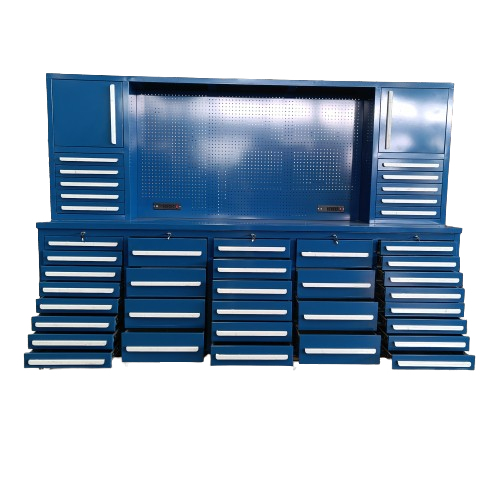
Why a Tool Workbench with Drawers Boosts Workshop Productivity
Integrated drawer systems on tool benches really change the game for workshops that feel like they're constantly in disarray. These setups tackle those big productivity problems we all face: spending ages finding stuff, getting sidetracked from what we're doing, and the backache from bending over repeatedly. Techs can end up wasting around 20% of their day hunting for lost tools according to various industry reports, though exact numbers vary between different shops. With drawers, there's no more searching because everything has its own spot. Wrenches go here, bits there, clamps somewhere else. Just grab what's needed without stopping mid-task to rummage through cluttered surfaces. The difference is night and day once tools actually stay put where they belong.
Stacking drawers vertically makes sense from an ergonomic standpoint since it keeps what we need most right there between our hips and eyes level, roughly 24 to 60 inches off the ground. No need to bend down or stretch out awkwardly when reaching for something. People working on long projects find this setup much easier on their bodies and less likely to cause strain injuries from overreaching. When everything has its place inside these drawers, workspaces stay organized too. Clean benchtops mean fewer interruptions while working on tasks because there's no hunting around for misplaced tools. Shops report workers finish jobs about 30 percent faster when they have this kind of organized system going, which explains why so many professionals swear by it now.
| Benefit | Impact on Productivity |
|---|---|
| Dedicated tool organization | Reduces search time by 15–20% |
| Ergonomic vertical access | Lowers physical strain by 25% |
| Unobstructed work surfaces | Increases project throughput |
When all the tools are kept together in one mobile workstation, workers save time moving around between different spots on the shop floor. Techs can complete their tasks step by step without having to run back to the tool storage area every few minutes. Many experienced repair shops have noticed this change makes a real difference in productivity numbers. Beyond just keeping things organized, these setups actually help technicians maintain concentration throughout their workday. Better focus leads to fewer mistakes and means each technician gets more jobs done per hour, which adds up over time for the whole business.
Key Features of a High-Performance Tool Workbench with Drawers
Heavy-Duty Drawer Construction: Steel vs. Plywood Tradeoffs for Durability and Load Capacity
What kind of materials we choose really affects how long things last. Take steel drawers for instance they can take a lot of punishment and hold substantial weight. Industrial quality ones are built to handle around 250 pounds or more on each drawer according to those ASTM F2659 tests about material fatigue. That's why so many mechanics prefer them when they need storage space for their heavy duty tools or chunks of metal parts. Now plywood options might seem cheaper at first glance, but they tend to break down after constant use and get all warped if they sit in damp conditions too long. Some better quality models actually fix this problem by combining powder-coated steel frames with solid wood drawer fronts. These premium setups find a good middle ground between what people can afford, how tough they need to be, and just how long they should reasonably last before needing replacement.
| Material | Max Load Capacity | Moisture Resistance | Cost Efficiency |
|---|---|---|---|
| Steel | 250+ lbs | Excellent | Lower |
| Plywood | <150 lbs | Moderate | Higher |
Ergonomic Drawer Placement: Aligning with the 24–60 Inch Vertical Reach Zone
The way we arrange tools vertically makes a big difference in how fast things get done around here. According to studies done by folks at the Human Factors and Ergonomics Society, when main tools sit between about 24 and 60 inches off the ground what they call the golden zone workers can grab them much quicker, maybe as much as 40% faster according to their findings. For bigger stuff like circular saws, deep drawers right at waist level work best. Up top, shallower drawers keep smaller, precise tools organized where they won't get lost. And those soft closing drawers? They really help out too. No more slamming noises interrupting concentration or accidentally knocking something over mid project. Safety improves and work just flows better overall.
Smart Organization Strategies for Your Tool Workbench with Drawers
Getting workshop operations running smoothly really depends on where tools are placed around the space. When things get messy, technicians end up wasting about 30% of their actual working hours just looking for what they need. Drawer systems make all the difference though. They turn those chaotic workspaces into places where people can actually get stuff done because everything is right there when it needs to be used. What works best? A mix of organizing vertically and grouping tools based on specific tasks. This setup creates a much smoother workflow without making workers bend over backwards or spend ages hunting down basic items.
Point-of-Use Layouts: How Strategic Drawer Zoning Cuts Retrieval Time by Up to 42%
Point-of-use layouts organize tools based on task frequency and workflow sequence. Assign top drawers (within the 24–60 inch ergonomic reach zone) to daily-use items like screwdrivers and pliers, while reserving lower drawers for specialized or bulky equipment. This zoning method aligns tools with their application phase—for example:
- Electrical repair tools grouped in one drawer
- Finishing supplies in adjacent compartments
- Fasteners sorted in labeled dividers
Research shows that implementing this approach cuts down on tool retrieval movements by around 35 to 40 percent in most cases. When technicians can find what they need as projects move along, their mental workload drops significantly because they aren't constantly running back and forth between workstations. To get the best out of the system, many shops pair organized drawers with things like foam padding inside or those adjustable separators that keep everything from sliding around while moving equipment. Efficiency really takes off when frequently used tools are placed right at eye level or within easy reach of where actual work happens. Over time, workers develop habits so good they almost don't think about reaching for what they need anymore.
Real-World Impact: Efficiency Gains in Professional Trades
Case Study: Residential Contractor Achieves 30% Workflow Improvement with Custom Drawer Configuration
A local home repair company cut down on wasted time looking for tools by rearranging their workbench drawers into specific areas for different jobs. They sorted out separate sections for plumbing gear, electrical stuff, and carpentry tools depending on what tradespeople actually needed most often during their day. After making these changes, each worker spent about 18 fewer minutes every day hunting around for the right tool, which added up to roughly 15 extra hours a month that could be used for more important work. The whole setup made things move faster by about 30%, showing just how much difference proper organization can make when turning downtime into real productivity gains. On the flip side, shops that don't bother with smart storage systems tend to take around 22% longer to finish projects overall, as found in research from the Fraunhofer Institute back in 2022 about equipment efficiency.
Key efficiency drivers included:
- Placing high-use screwdrivers and wrenches in ergonomic “prime zones” (chest-height drawers)
- Segmenting specialized tools by trade to minimize cross-drawer searches
- Installing sliding trays for bulkier items like pipe cutters
This approach proves that intelligent drawer utilization delivers measurable operational returns—making tool access incidental, not disruptive.
FAQ Section
Why are tool workbenches with drawers preferred in workshops?
Tool workbenches with drawers are favored because they significantly reduce the time spent searching for tools, decrease physical strain, and increase project throughput by keeping tools organized and easily accessible.
What materials are best for tool bench drawers?
Steel is commonly preferred for its durability and high load capacity, though plywood offers a cost-effective alternative. Premium setups combine steel frames with wood fronts for good balance between cost and toughness.
How do ergonomic drawer placements enhance productivity?
Ergonomic drawer placements between 24 and 60 inches off the ground ensure easy access to tools, reducing physical strain and improving workflow efficiency.