 EN
EN

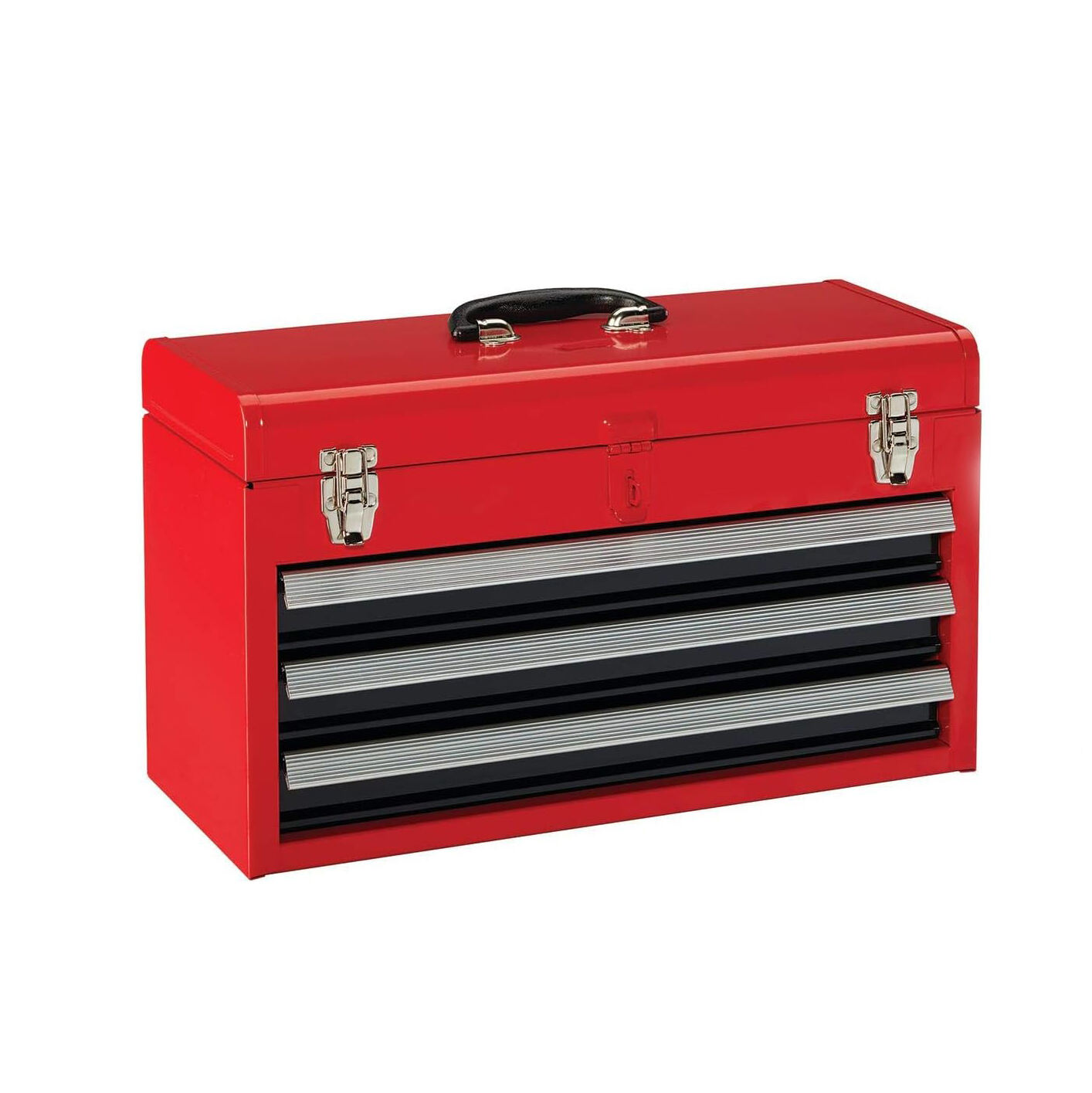
Why Heavy-Duty Steel Construction Defines a Professional-Grade Tool Box
Gauge Thickness and Weld Integrity: How Structural Design Prevents Warping and Failure
Professional grade toolboxes rely on thick gauge steel, usually around 16 gauge or better, because it stands up to heavy duty work without bending or warping like cheaper thin metal options tend to do. What really matters though is how they're built together. The best ones have those continuous seams welded right at the spots where most stress happens, so there's no risk of the whole box coming apart when someone needs to move over 500 pounds worth of tools across the shop floor. Spot welds just don't cut it for serious use since those little dots can crack open after months of bumping around in transport trucks or getting dropped accidentally. Toolbox manufacturers also reinforce the corners with rounded edges that spread out weight more evenly, making them last longer under tough conditions. And don't forget about the coating too many budget models skip on this part. A good powder coat finish protects against rust from all those oil spills and chemical cleaners we see in garages day in and day out.
Reinforced Corners and Impact-Resistant Finishes for Garage and Job-Site Longevity
In professional settings, we need steel that can take all those daily hits without messing up storage security. The reinforced corners plus those three layers of epoxy coating work together pretty well to stop dents, scratches, and rust from getting through something that matters a lot to mechanics dealing with dropped tools or equipment bumps on the job site. Compared to just one coat of protection, this kind of setup lasts way longer maybe even decades longer keeping drawers aligned properly and lock systems working as they should. Getting the right mix between how thick the metal is and what chemicals protect it makes sure tools stay easy to reach even after years of constant pounding around workshops.
Smart Rolling Tool Box Mobility: Casters, Slides, and Load-Bearing Performance
Industrial-Grade Casters vs. Standard Wheels: Navigating Uneven Surfaces Safely
Industrial grade casters turn toolbox setups into something that moves around the shop with ease. These heavy duty models have steel cores inside and wheels measuring between four to six inches across. They glide right over those annoying garage floor cracks and bits of debris because of their ball bearing systems. The weight capacity ranges from three hundred to five hundred pounds per caster, which helps prevent accidents when working with dual wheel setups. Plus there are locking features that keep everything stable during actual work sessions. Regular wheels tend to give out at around one hundred pounds, making them unreliable especially when moving things uphill. Shop workers who switched to these industrial options notice significantly fewer instances where boxes tip over unexpectedly. Less strain on the back means better productivity overall, plus less damage happening to expensive tools and factory floors alike.
Full-Extension Ball-Bearing Drawer Slides: Smooth Operation Under 50+ lb Loads
Tool boxes equipped with full extension ball bearing slides give mechanics total access to their gear when they need it most. These slides let drawers pull out all the way so nothing gets lost in the back where sockets and wrenches tend to hide. The ball bearings spread the load across the entire length of the slide, which means each unit can handle between 50 to 100 pounds with hardly any resistance at all. For commercial applications, manufacturers put these slides through rigorous testing that includes over 25 thousand opening and closing cycles. Real world data shows mechanics working with these systems get their tools 34 percent quicker compared to older friction based drawer mechanisms. What makes these slides really stand out is how they stop drawers from getting stuck when moving around the shop and eliminate annoying wobbling problems. Plus those heavy duty spring loaded handles make it easy to grab and release drawers with just one hand, keeping expensive precision instruments safe and cutting down on wasted minutes searching for the right tool.
Optimized Large Tool Box Organization: Capacity, Drawer Layout, and Accessibility
22-Drawer Systems and Modular Combinations: Matching Tool Types to Dedicated Storage Zones
Real world mechanics need good tool boxes that turn all that mess into something actually usable when working on cars. The 22 drawer systems really cut down on wasting time looking for stuff because everything gets its own spot. Sockets and ratchets go in those shallow top drawers where they're easy to grab, while pliers and wrenches fit better in the middle sections that aren't too deep. Down below in the heavy duty bottom part is where all the big power tools live safely. We've seen shops report around a 40% drop in time spent hunting for tools during complicated jobs. And these modular setups are great for contractors who want extra space. Just bolt on some side cabinets for those special tools nobody thinks about until they need them, like puller sets or AC pressure gauges. Basically, the whole point is matching drawer sizes and strength to what goes inside them.
- High-frequency hand tools reside in waist-level drawers for instant access
- Diagnostic equipment occupies middle sections with foam inserts
-
Rarely used heavy items secure in lockable bottom storage
By matching organizational logic to task sequences, professionals minimize physical strain and prevent tool damage from improper stackingâcreating a productivity ecosystem where every wrench, meter, or impact driver has a purpose-built home.
Total Cost of Ownership: Balancing Upfront Investment Against Lifetime Value of a Premium Tool Box
When looking at professional tool boxes, don't just focus on the sticker price. Think about Total Cost of Ownership (TCO) instead. This means considering everything that comes with owning the equipment over time - things like regular maintenance needs, when tools stop working properly, repair costs, and eventually replacing the whole setup. Mechanics and contractors who invest in high quality steel tool storage usually find it pays off in the long run even though they pay more initially. Better built cabinets simply last longer without bending out of shape, drawers falling apart, or coatings peeling off after a few months in the garage. These small but frequent problems cost money every time they happen. Studies show workshops that go for durable designs save between 15% to 30% overall compared to cheaper options when factoring in all those hidden costs. The smart approach isn't just buying cheap stuff once but making choices that keep the workshop running smoothly and profitably year after year.
FAQ Section
What gauge steel is recommended for professional-grade toolboxes?
A 16 gauge or thicker steel is recommended for durability and resistance to warping under heavy-duty conditions.
Why are industrial-grade casters preferred for toolboxes?
Industrial-grade casters are preferred because they have high weight capacities, reliable locking features, and can safely navigate uneven surfaces, reducing the risk of accidents.
What is the advantage of full-extension ball-bearing slides?
These slides provide smooth operation under heavy loads, allow full access to drawer contents, and improve overall efficiency in accessing tools.
How does Total Cost of Ownership (TCO) affect tool box selection?
TCO considers long-term costs including maintenance, repairs, and replacements, ensuring that higher initial investments offer better value over time.
Table of Contents
- Why Heavy-Duty Steel Construction Defines a Professional-Grade Tool Box
- Smart Rolling Tool Box Mobility: Casters, Slides, and Load-Bearing Performance
- Optimized Large Tool Box Organization: Capacity, Drawer Layout, and Accessibility
- Total Cost of Ownership: Balancing Upfront Investment Against Lifetime Value of a Premium Tool Box
- FAQ Section