 EN
EN

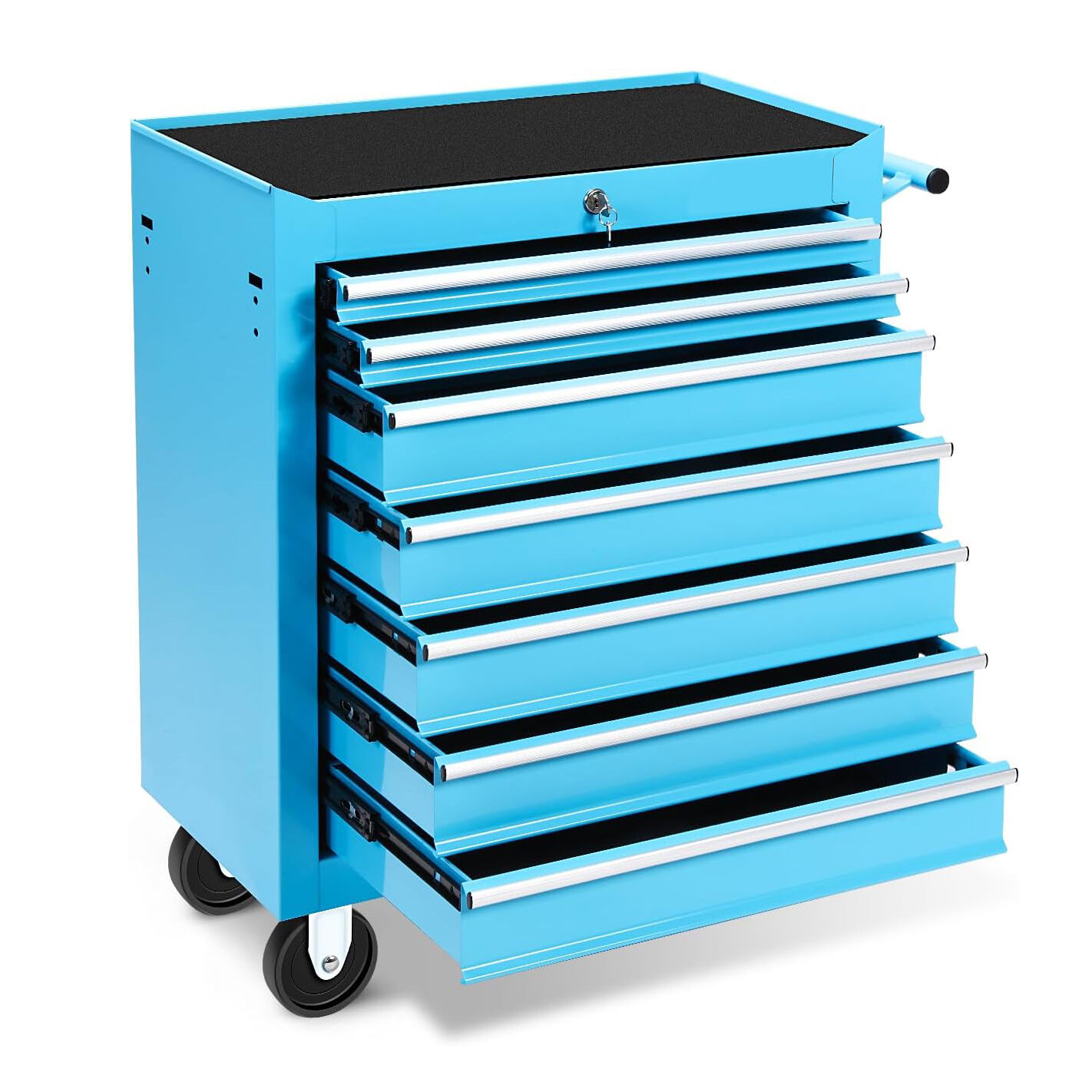
Why Consistent Tool Storage Maintenance Prevents Costly Failures
Corrosion, wear, and replacement cost escalation from poor tool storage
When tools aren't stored properly, they corrode much faster because of all the moisture getting to them, and their metal just doesn't hold up as well over time. Dust particles also cause problems when left sitting around idle, grinding away at surfaces and wearing things down before their time. All these avoidable issues lead to replacing tools way too often. Industry research indicates companies actually end up spending about 30% extra each year on new tools simply because old ones got damaged from bad storage conditions. Steel tools left unprotected in damp areas will rust twice as fast according to various corrosion studies we've seen published. Keeping tools clean regularly and controlling the environment makes a huge difference. Putting desiccant packs in storage areas helps keep humidity levels under 50% relative humidity, which really slows down the whole deterioration process. For big operations, implementing these simple maintenance practices can save roughly $740,000 over five years according to findings from the Ponemon Institute back in 2023.
Structural safety risks: Wall-mounted racks, lockout cabinets, and load integrity
Ignoring proper storage setup leads to serious problems down the road. Wall mounted racks that get overloaded tend to crack under pressure while faulty latches on lockout cabinets make security breaches possible. When a rack actually collapses, it can dump upwards of 500 lbs worth of gear all at once, which goes against what OSHA says about structural strength and lockout procedures in their regulations (look up 29 CFR 1910.147 if needed). Regular checks matter a lot here too. Looking at weld points every three months and checking anchors monthly, then recording everything in those maintenance logs, cuts workplace accidents by almost 60 percent according to studies. Getting the weight spread out correctly helps avoid wear and tear on structures, making sure workers can safely retrieve items without breaking any rules or causing damage.
Optimizing the Tool Storage Environment for Rust Prevention and Stability
Controlling humidity and temperature: RH thresholds, dew-point management, and climate-sensitive tool classes
Keeping things right in the tool storage area really matters when it comes to stopping corrosion and making sure tools keep their shape over time. The air shouldn't be too damp either. We're talking about keeping relative humidity under 50% if possible, while temperature-wise around 15 to 25 degrees Celsius works best for most shops (that's roughly 59 to 77 Fahrenheit). A study from Material Durability Journal back in 2023 showed just how bad things get when there's too much moisture around. They found that tools left in humid places corrode about 40% faster than those stored properly. Something else worth remembering? Make sure surfaces don't drop below the dew point because this leads to condensation forming on metal parts. Condensation isn't just annoying stuff dripping off tools. It actually causes all sorts of problems like tiny pits developing on surfaces and even galvanic corrosion between different metals.
Implement these evidence-based controls:
- Climate-controlled cabinets for precision instruments
- Desiccant dehumidifiers, not just passive packs, for sustained RH management
- Insulated flooring, especially over concrete slabs, to block ground moisture transfer
Climate-sensitive tools require tighter tolerances:
| Tool Class | RH Threshold | Temperature Stability |
|---|---|---|
| High-carbon steel | < 45% | ±2°C variation |
| Calibration-dependent | < 40% | ±1°C variation |
| Electronics-integrated | < 30% | ±0.5°C variation |
Hygrometers with automated alerts for RH spikes—and strategic placement away from exterior walls—prevent condensation-triggered degradation. These measures collectively reduce five-year replacement costs by up to 60%.
Precision Tool Storage Best Practices: Cleaning, Inspection, and Calibration Integrity
Cleaning and inspection frequency by tool type: Hand, power, and torque tools
Regular maintenance specific to each type of tool helps avoid performance issues and keeps track of equipment condition. For hand tools like wrenches and pliers, cleaning them right after every job is important plus checking for any cracks or signs of rust once a week. Power tools need their vents cleaned right away after use to stop heat from building up and causing motor problems from dust buildup. The electrical parts should get looked at monthly too. Torque instruments are different though they require daily wiping down of measuring areas and getting calibrated every three months according to industry standards such as ISO 6789-2 from 2017. When companies follow these manufacturer recommendations, studies show there's about a 45 percent drop in calibration issues across the board according to recent research published in 2023 on industrial reliability.
| Tool Type | Cleaning Frequency | Inspection Frequency | Critical Checks |
|---|---|---|---|
| Hand Tools | After each use | Weekly | Structural integrity |
| Power Tools | After each use | Monthly | Electrical safety, cooling paths |
| Torque Tools | Daily | Quarterly | Calibration drift, spring tension |
Torque tool storage: Preserving calibration accuracy through environmental control and handling protocols
Torque tools really take a beating from both their surroundings and physical stress over time. For best results, keep these tools somewhere cool, ideally between 20 to 25 degrees Celsius, with humidity levels around 40 to 60 percent. When humidity climbs above 70%, corrosion problems jump by about 30% according to recent findings in the Materials Degradation Report from last year. To protect against damage, put them in storage boxes with soft foam padding inside. Also important is storing torque wrenches when they're set to the lowest measurement mark on the scale, which helps maintain the springs' integrity. Workers should wear gloves whenever touching calibrated parts since body oils can mess with accuracy. Keeping track of how long tools have been exposed to different conditions through digital records makes sense too. Shops that invest in proper climate controlled storage for their torque equipment tend to need calibration checks about 35% less often each year, which definitely helps meet those strict ISO/IEC 17025 standards most quality focused workshops aim for.
Smart Tool Storage Organization: Improving Accessibility, Accountability, and Workflow
Well-organized tool storage systems eliminate wasted motion and reinforce accountability. Workers retrieve tools 30% faster using labeled compartments and shadow boards—validated by lean manufacturing research—and reduce non-productive search time by up to 45 minutes daily per technician. This consistency directly supports workflow continuity and reduces fatigue-related errors.
Systems that track who has what tool tend to work much better than just letting things go missing. Things like RFID tags on equipment or digital checklists when someone takes something out can cut down on lost tools by about 60% according to Facility Management Association research from last year. Add some color coding too, maybe red for broken stuff and green for good to go, and suddenly everyone knows where everything belongs. This makes those pesky compliance checks run smoother and keeps tools coming back to their proper spots instead of ending up somewhere nobody expects them.
Strategic organization also enables adaptability: mobile cabinets with adjustable dividers accommodate evolving toolkits, while vertical storage maximizes limited floor space. Workshops implementing 5S methodology—sort, set, shine, standardize, sustain—report 18% higher productivity. Centralized, digitally integrated storage further supports real-time inventory visibility, preventing project delays caused by missing equipment.
Building a Sustainable Tool Storage Maintenance Protocol
Documentation systems: Linking maintenance logs to usage cycles, environmental exposure, and tool storage location
Keeping tools sustainable means moving away from fixing problems as they happen toward anticipating issues before they arise, thanks to good record keeping. When maintenance records are connected to factors like how often tools get used, where they've been kept, and what kind of environment they've endured, maintenance teams actually see real value. Take for instance tools sitting in damp areas that need checking for rust twice a year, or torque wrenches that should be calibrated after about 500 uses rather than waiting for some arbitrary date on the calendar. Digital systems that track all this information can warn when maintenance is needed soon, which cuts down early equipment failures by around 73 percent according to industry data from 2023.
Essential data points include:
- Real-time RH and temperature readings logged during tool downtime
- Cumulative operational hours or cycle counts since last service
- Location-specific degradation trends (e.g., rust incidence near HVAC vents)
This integration transforms static schedules into adaptive protocols—extending tool life, cutting replacement costs by 31%, and reinforcing safety and quality compliance across operations.
FAQ
What are the consequences of poor tool storage?
Poor tool storage leads to faster corrosion, increased wear, and higher replacement costs. Companies may spend 30% more annually on new tools due to damages from inadequate storage.
How can tool storage improve workplace safety?
Proper tool storage can prevent structural failures and workplace accidents. Regularly checking wall mounts and lockout cabinets cuts workplace accidents by up to 60%.
What measures help prevent tool corrosion?
Maintaining a controlled environment with humidity levels below 50%, using climate-controlled cabinets, and employing desiccant dehumidifiers effectively prevent corrosion and prolong tool life.
How often should tools be cleaned and inspected?
Hand tools should be cleaned after each use and inspected weekly. Power tools need monthly checks, while torque tools require daily cleaning and quarterly calibration.
What are best practices for organizing tool storage?
Labeling compartments, using RFID tags, implementing color coding, and adopting 5S methodology enhance tool accessibility and accountability, improving workflow and reducing search time.
Table of Contents
- Why Consistent Tool Storage Maintenance Prevents Costly Failures
- Optimizing the Tool Storage Environment for Rust Prevention and Stability
- Precision Tool Storage Best Practices: Cleaning, Inspection, and Calibration Integrity
- Smart Tool Storage Organization: Improving Accessibility, Accountability, and Workflow
- Building a Sustainable Tool Storage Maintenance Protocol
- FAQ