 EN
EN

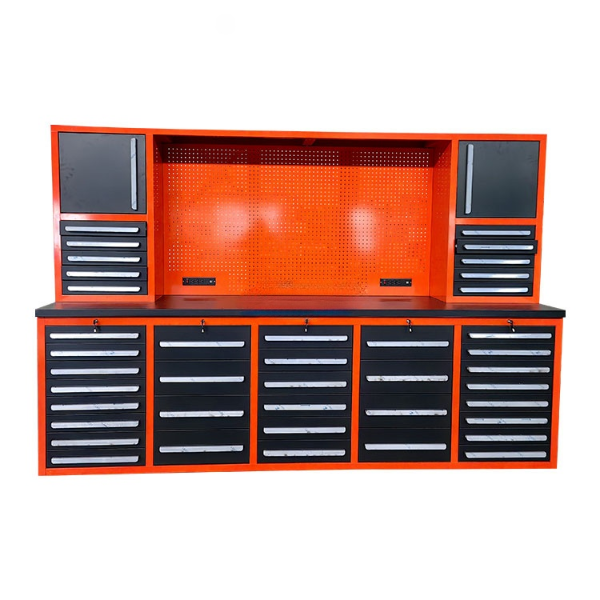
Why Standard Tool Storage Fails Under Real-World Demands
The Workflow Breakdown: How Overcrowded Drawers and Poor Layouts Cost Mechanics Time and Precision
When tool storage gets cluttered and messy, it really slows things down in any professional shop setting. Mechanics typically lose around 15-20 minutes each day hunting for lost tools according to several studies from ASE folks looking at workshop efficiency back in 2022. Bad drawer arrangements mean constantly moving back and forth between where tools are stored and actual work areas, which throws off natural working motions and makes everyone tired faster. The whole process affects how accurately jobs get done too. We've seen shops where error rates jump up nearly a quarter during important work like rebuilding engines or adjusting sensors simply because mechanics can't see what they need right away. Good organization isn't just about making things look neat. It keeps workflows running smoothly, prevents accidents, and ensures that every job comes out looking good no matter who does it.
Durability Gaps: Steel Gauge, Drawer Slide Ratings, and Load Capacity Mismatches in Entry-Level Tool Storage
Most budget tool storage systems simply can't handle what happens in actual workshops because manufacturers cut corners on materials and design. The thin 22 gauge steel panels get dented all the time during normal use. Professional quality cabinets? They go for 16 gauge cold rolled steel that holds up much better. Drawer slides rated under 80 pounds will eventually give way when loaded with regular socket sets and ratchets. This causes everything to become misaligned, which jams moving parts and wears things out faster. A lot of cheap cabinets claim impressive total weight capacities but individual drawers actually fail around 40% below those numbers. These weaknesses do more than just reduce lifespan. Tools sitting in poorly supported drawers experience vibrations that affect their calibration over time. According to tests done by the Equipment Manufacturers Institute (EMI), cabinets with reinforced corners and cross bracing deform about 30% less after five years compared to standard models.
Core Principles of High-Capacity Tool Storage
Volume: Maximizing Cubic Footage Without Sacrificing Accessibility
Getting good results from high capacity tool storage requires matching storage volume with smart accessibility. The best manufacturers design their cabinets with specific drawer depths ranging between 18 to 24 inches and arrange them vertically in tiers so they take up less floor space but still let workers see what's inside. These mobile units typically have anywhere from 10 to 20 drawers and can hold between 400 to 1,000 pounds worth of tools without becoming difficult to use. Mechanics know this matters because almost half (that's 47%) of those certified by ASE say their work gets interrupted regularly due to bad storage setups. What really makes these systems work? They avoid those big single compartments where everything gets mixed together. Instead, there are adjustable dividers that separate out different types of tools like sockets, wrenches, and power equipment. This keeps tools organized properly and stops damage from happening when heavier items crush smaller ones at the bottom.
Access: Intelligent Drawer Organization, Mobile Configurations, and Ergonomic Retrieval Paths
True accessibility hinges on three integrated design elements:
- Full-extension drawer slides, delivering 100% visibility and reach into every drawer; paired with custom foam cutouts, they reduce search time by up to 70% (per 2022 EMI ergonomics benchmarking);
- Locking dual-caster systems–combining swivel and rigid wheels–for stable, tool-loaded repositioning without unloading;
- Ergonomic height zoning, placing high-frequency tools between hip and shoulder level to minimize bending, lifting, and repetitive strain.
When storage aligns with task sequencing–e.g., torque wrenches and fasteners in waist-level drawers, air tools and hoses in lower sections–workflow efficiency improves by 30%, according to field data from the Society of Maintenance & Reliability Professionals (SMRP).
Integrity: Structural Rigidity, Vibration Resistance, and Long-Term Tool Protection
Keeping tools protected over time isn't just about what looks good on the outside. The whole structure needs to hold up too. Good quality cabinets made from 16 to 18 gauge steel with those extra strong corners and full length welds really stand up to all that pounding around workshops compared to cheaper stamped metal or spot welded ones. The drawer slides should handle at least 100 pounds without letting drawers sag or get stuck when loaded down regularly. And don't forget about the finish either. Industrial strength powder coating stands up much better against chips, rust spots, and chemicals floating around in damp areas or places where solvents are used a lot. When dealing with delicate measuring equipment, vibrations become a big problem. That's why proper cabinets include things like rubber lined drawers, special gaskets between components, and extra support inside to cut down on unwanted shaking that messes with instrument readings. Tests run by EMI over several years showed cabinets with cross bracing had about 30 percent less bending after five years of regular use. This means tools last longer before needing adjustments and saves money in the long run.
Modular & Vertical Tool Storage Systems: Scalable Solutions for Evolving Needs
Modular Tool Storage: Interlocking Systems for Customizable Capacity
Modular tool storage is changing how workshops organize their gear, moving away from those rigid old cabinets that never quite fit anything right. The new systems are basically building blocks that grow with the business. Top brands have units that meet safety standards like ANSI/ISEA Z358.1 for stability. What makes these systems work so well? Standardized connectors let techs stack vertically or expand horizontally as needed. Want more space for batteries? Just snap on a battery organizer. Need somewhere for oil filters? There's a caddy for that too. No need to throw out whole cabinets when needs change. According to a recent study commissioned by ASE in 2023, shops using modular setups saw storage density jump by around 40% while workers spent 28% less time hunting for tools compared to traditional cabinets. These systems come in tough materials like impact resistant plastic or heavy duty steel, which means they hold up during transportation between job sites. That's why many mobile repair crews and truck fleets prefer them. Plus, there's no guesswork about buying too much upfront. Start small with just what's needed now, then add components as the collection grows naturally over
FAQ
What are the common durability issues with entry-level tool storage systems?
Entry-level tool storage systems often face durability issues such as denting due to thin steel panels, drawer slides failing under weight, and misalignment when overloaded, resulting in shortened lifespan and tool calibration issues.
How does modular tool storage improve upon traditional setups?
Modular tool storage systems allow for customizable configuration, easy expansion, and better organization, leading to increased storage density and efficiency without the need for replacing entire systems when requirements change.
What are the key components of effective high-capacity tool storage?
Effective high-capacity tool storage involves maximizing cubic footage without sacrificing accessibility, using full-extension drawer slides, ergonomic configurations, and integrating durable materials to protect tools and ensure efficient workflow.