 EN
EN

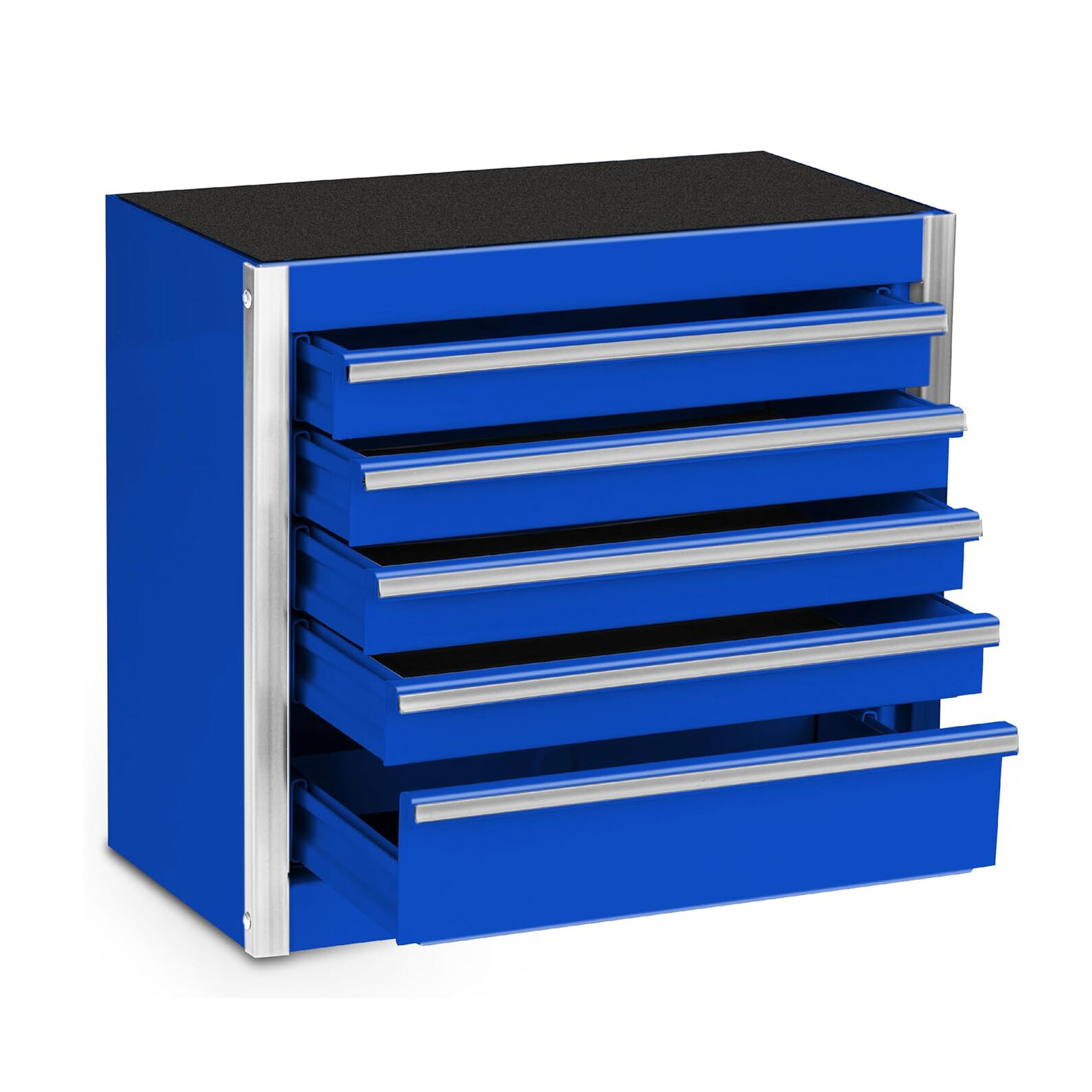
Why Reinforced Metal Storage Cabinets Are Critical for Asset Protection
Businesses and institutions often struggle with protecting their valuable assets from all sorts of dangers both inside and outside the building. That's where reinforced metal storage comes into play. These cabinets are built tough with military style construction that really stands up to attempts at breaking them open. Most quality models use heavy duty steel around 16 to 18 gauge thick, which holds up much better against common methods people try when stealing stuff like prying open doors, drilling holes, or just hitting them hard. We've seen real world data showing facilities that cut corners on storage solutions end up losing three times as many items compared to those who invest properly. The 2023 security reports back this up pretty clearly.
Beyond theft prevention, these cabinets defend against environmental hazards. Double-walled steel with fire-resistant insulation maintains internal temperatures below 177°C during 30-minute fire exposures—critical for preserving sensitive documents or equipment. Industrial-grade welds and reinforced corners also prevent collateral damage by withstanding workplace impacts that would collapse lesser units.
| Security Benefit | Business Impact |
|---|---|
| Tamper-resistant construction | Reduces shrinkage losses by up to 40% |
| Fire protection (30+ minutes) | Prevents operational disruption during emergencies |
| Heavy-duty anchoring points | Eliminates cabinet relocation/theft attempts |
In places where risks are really high, such as pharmacies handling sensitive medical info or data centers storing confidential business records, good security becomes even more important. Businesses that invest in proper asset protection often see their insurance costs drop somewhere between 15 to maybe 25 percent. Plus they stay compliant with regulations like HIPAA for healthcare data or those financial industry rules that demand actual physical security measures. Looking at cabinet options? Go for ones that have been put through third party testing and certified properly. Without these basic protections in place, what looks like regular storage space turns into something else entirely - a place where problems can start instead of being kept safe. We've seen too many cases where lack of proper security led to major headaches down the road.
Locking Mechanisms Compared: Keyed, Cam, Padlock Hasps, and Smart Electronic Options
Cam Locks and Heavy-Duty Keyed Systems for Daily Operational Security
Cam locks offer good security for everyday access needs on metal storage cabinets thanks to their rotating latch mechanism that actually engages with the cabinet frame itself. The heavy duty versions come with tough steel cylinders that are pretty hard to pick, and some even have those double bitted keys which make things much trickier for anyone trying to get in without permission. Since these locking systems don't need electricity at all, they work great in factories or warehouses where people need to open and close doors multiple times during shifts. But there's always the headache with physical keys though. Losing one means having to spend money on rekeying everything, and when multiple people share access, it becomes impossible to track who was actually there when something goes missing. That said, for places storing tools or office supplies where security isn't absolutely critical, cam lock systems still represent a solid choice balancing both price and how long they last before needing replacement.
Electronic Access Control: Keypad and Biometric Locks for High-Security Environments
Modern electronic locks get rid of those pesky physical keys by using programmable keypads or fingerprint scanners to check who's trying to gain access. The best part? They keep detailed digital records of every entry attempt, which hospitals and banks need for their compliance requirements. When someone leaves the company or gets transferred, administrators can just revoke their access rights instantly from a computer screen instead of hunting down old keys. Some top-end models even have alarm systems that go off if someone tries to force open the lock. Sure, batteries do need replacing now and then, but compared to traditional locks, these systems offer way better security for things like medicine cabinets or filing rooms with sensitive information. Fingerprint-based systems are particularly good at stopping unwanted entries since each person's biological characteristics are basically one-of-a-kind, making them a must-have for places where valuable items need extra protection.
Beyond Locks: Fire Resistance, Anti-Theft Certification, and Structural Integrity in Metal Storage
UL 125 and TL-15 Ratings Explained: What They Mean for Fire and Burglary Protection
The UL 125 certification basically means a storage unit keeps things inside cool enough (below 125 degrees Fahrenheit) when there's a fire nearby, so important papers and electronic stuff don't get cooked. To earn this rating, manufacturers have to put their products through some serious heat tests at around 1,700 degrees for over half an hour straight. On the security side of things, TL-15 rating shows how well a safe can stand up to people trying to break in with power tools like angle grinders or heavy duty drills for fifteen whole minutes without giving way. These tests happen at third party labs that check everything carefully. Only about one out of every seven commercial metal safes actually passes both these tests at the same time. For places that keep really valuable stuff, going for those double certified cabinets makes sense if they want real protection from both fires and thieves causing major problems down the road.
Engineering for Resilience: Double-Walled Steel, Welded Construction, and Anti-Leverage Design
High quality metal storage cabinets come with several layers of protection that go well past what most people think about when they look at security. Most premium models use double wall steel construction, usually somewhere between 12 and 16 gauge thick. These walls create spaces inside that can withstand attempts to pry things open, plus they help keep contents protected from extreme temperatures too. Welded seams run continuously around the entire cabinet, which means there aren't those little weak spots we often see with older designs that rely on rivets or bolts. When it comes to preventing leverage attacks, manufacturers have really thought this through. Doors are set back so they don't stick out at all, hinges are built inside with pins that cant be pulled out, edges are shaped at angles to push away crowbars, and bolts actually reach deep into the frame structure for extra hold. All these design elements work together so that even if someone manages to get past the lock somehow, the actual cabinet remains strong enough to resist prolonged efforts to break in.
Selecting the Right Metal Storage Cabinet: Matching Features to Your Environment and Risk Profile
Picking out the right metal storage cabinet means matching what it offers against where it will be used and what kind of threats might exist there. Start looking at the actual conditions first. If chemicals are part of daily operations in a facility, then going for stainless steel cabinets or ones with powder coating makes sense since they won't rust easily. Warehouses that see constant foot traffic should probably stick with 16 gauge steel because regular wear and tear just knocks around thinner materials over time. After getting clear on these basics about location specifics, turn attention toward security concerns too. What sort of risks does the business face? That determines whether extra locks, tamper evidence features, or other protective measures become necessary additions to consider when making final decisions.
| Risk Profile | Recommended Features | Critical Certifications |
|---|---|---|
| High-theft areas | Electronic keypad/biometric locks, anti-pry doors | TL-15 burglary rating |
| Fire-prone zones | Double-walled steel, fireboard insulation | UL 125 1-hour fire resistance |
| Moderate-risk offices | Cam locking systems, reinforced hinges | - |
When it comes to storage solutions, look for cabinets with solid welds and good internal support especially in areas where strength really counts. Weak joins can lead to all sorts of security issues down the road. Facilities working with valuable or restricted items should think about getting electronic locks that keep track of who tries to access them. These systems also stop people from making copies of keys which is a real problem in many places. Never take certification claims at face value without checking them on proper databases somewhere online. Just because someone says they're certified doesn't mean much legally speaking. And here's something worth remembering when shopping around: spending a bit extra upfront on quality metal storage usually pays off big time in the long run. Most folks find their investment lasts anywhere from 3 to 5 times longer compared to those cheap knockoff options sitting on warehouse shelves.
FAQs
1. What makes reinforced metal storage cabinets essential for asset protection?
Reinforced metal storage cabinets are crucial because they provide exceptional resistance against theft and environmental hazards. They are built with robust materials like 16 to 18-gauge steel, which withstands tampering attempts and environmental impacts.
2. How do electronic locks enhance security on metal cabinets?
Electronic locks enhance security by eliminating physical keys. They offer features such as programmable keypads and biometric scanners, providing detailed digital records of access attempts, making them ideal for high-security environments.
3. Why are certifications like UL 125 and TL-15 important?
These certifications indicate that a storage unit has been rigorously tested for both fire and burglary protection. UL 125 ensures that the contents remain cool during a fire, while TL-15 certifies resistance to break-ins using power tools.
4. How can I select the right metal storage cabinet for my needs?
Select a cabinet based on the environment and risks present. Consider factors like the presence of chemicals, foot traffic, and specific security threats to determine the appropriate features and certifications needed.
Table of Contents
- Why Reinforced Metal Storage Cabinets Are Critical for Asset Protection
- Locking Mechanisms Compared: Keyed, Cam, Padlock Hasps, and Smart Electronic Options
- Beyond Locks: Fire Resistance, Anti-Theft Certification, and Structural Integrity in Metal Storage
- Selecting the Right Metal Storage Cabinet: Matching Features to Your Environment and Risk Profile
- FAQs