 EN
EN

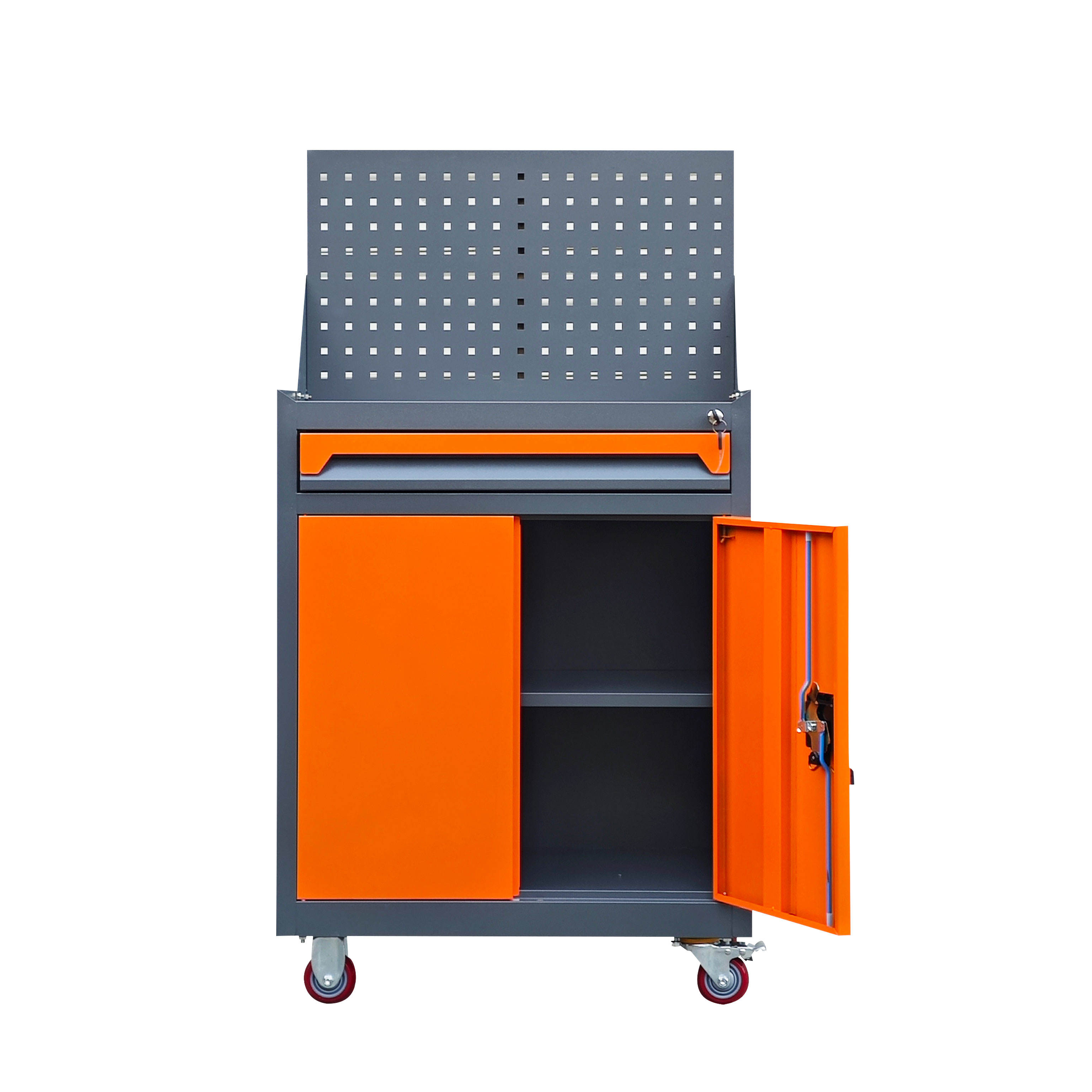
Why a Small Tool Cart Transforms DIY Efficiency and Garage Organization
Most home garages look like tornado hit zones when someone starts tinkering on a weekend project. Tools end up everywhere - scattered on benches, stacked haphazardly on shelves, even buried under old paint cans on the floor. Hobbyists spend way too much time digging around for screwdrivers or wrenches instead of actually getting things done. A good quality tool cart solves all that mess by keeping frequently used tools right where they need them, within easy reach. According to some recent studies in workshop efficiency, folks lose about 30 minutes each day just looking for lost tools. A properly organized cart gets back all those wasted minutes without taking up precious garage space. The best part? These carts take up minimal room compared to those big storage cabinets or fixed shelving units that eat up so much floor area. Plus, most come with locking wheels that make moving everything around super convenient. Need to fix something near the driveway? Just wheel the whole setup over there. Repairing an appliance inside? Take the cart with you. Less running back and forth means cleaner work areas and fewer frustrations. While it won't magically turn every garage into a professional workshop overnight, it definitely makes those DIY days run smoother and feel less like a treasure hunt.
Space-Smart Design: Matching Small Tool Cart Dimensions to Real Home Garage Constraints
Most home garages simply don't have enough room to begin with. Single car setups typically measure around 12 by 20 feet, while smaller ones sometimes get down to about 10 by 18 feet. Given these tight spaces, tool carts need to strike a good balance between holding stuff and being able to move around without getting stuck. Good sizes usually range from roughly 24 to 30 inches long and 18 to 24 inches wide. These dimensions let them slide through narrow paths and fit nicely in corners or next to workbenches. Getting the right size matters because it keeps walkways open for cars and makes working easier, particularly in those garages that also serve as gyms, storage areas, or makeshift workshops. Locking wheels make all the difference too. They allow smooth shifting around when working on something, then lock firmly in place once set up. When carts match actual garage dimensions, people actually see better results. Studies show folks lose about 37% efficiency in crowded, messy work areas. So properly sized equipment turns what could be chaotic storage spaces into organized places where everything works better together.
Key Features That Define a High-Performance Small Tool Cart
Locking Swivel Casters for Stability and Mobility
Good casters can transform a simple tool cart into something much more functional than just storage space. The locking swivel type really shines in cramped garage environments where every inch matters. These casters let workers move around obstacles easily but stay put when needed for stability, which is super important when someone's using power tools or working with fragile parts. The lock mechanism works pretty well too, stopping the cart from drifting away unexpectedly and helping maintain control over whatever task at hand. Bigger wheels measuring about 6 inches do a great job rolling over small debris and transitioning between different surfaces without getting stuck. Most models can carry around 180 kilograms give or take, so they hold up nicely even when loaded down with heavy equipment across all sorts of workshop floors.
Durable Construction: Steel vs. Reinforced Polymer Trade-offs
Material choice shapes longevity, weight, and suitability for your workload:
| Material | Steel | Reinforced Polymer |
|---|---|---|
| Durability | Superior impact resistance | Prone to stress cracks over time |
| Weight Capacity | 500+ kg load tolerance | Typically under 250 kg |
| Corrosion | Requires powder coating | Naturally rust-proof |
| Weight | Heavier (40+ kg) | Lightweight (15–25 kg) |
| Cost | 20–30% premium | Budget-friendly |
Steel is really the way to go when dealing with heavy duty stuff or professional grade applications because it just stands up better to wear and tear while handling serious weight loads. For those lighter DIY projects around the house though, reinforced polymer works great since it's easier to move around and doesn't rust as easily. No matter what material gets chosen though, make sure those corners are properly reinforced and invest in drawer glides that can handle at least 100 pounds. Ball bearing slides might cost a bit more upfront but they definitely pay off in the long run with smoother opening and closing even after several years of regular use.
Top Use Cases for a Small Tool Cart in Home and Light Workshop Settings
Small tool carts really come into their own in home garages and basic workshops, especially when there's not much room to spare and people need flexibility. These carts bring together all the important stuff - wrenches, screwdrivers, those handy cordless drills, plus nails and screws too - so nothing gets lost and valuable garage space stays clear for cars or storing holiday decorations. When tackling typical DIY jobs like fixing car problems, putting together new furniture, or working on garden projects, just wheeling the cart right to where the action is saves tons of back-and-forth trips. Some studies suggest this can actually cut down on project time by around 30%. For weekend warriors and folks who tinker with mechanical stuff now and then, these rolling stations become essential. They make it easy to move tools from one workbench to another or even take them outside without aching muscles afterward. The real beauty lies in how adaptable they are across different tasks. Switch effortlessly between wood projects, plumbing fixes, or electrical work while still having everything organized and close at hand. Keeping frequently used items centralized means less time hunting through drawers and fewer accidents from cluttered floors. That's why many homeowners consider upgrading to a good quality tool cart one of the smartest investments for creating a safer, more efficient workspace at home.
FAQ
What are the key benefits of using a small tool cart in a garage?
The main benefits include improved organization, reduced time wasted searching for tools, and minimal space usage. They help maintain a clean and efficient work area.
What sizes are most suitable for small tool carts in home garages?
Ideal dimensions range from 24 to 30 inches long and 18 to 24 inches wide, which fit well in tight spaces and can be easily moved around.
What are the differences between steel and reinforced polymer tool carts?
Steel carts offer superior durability and higher weight capacity, while reinforced polymer carts are lightweight, rust-proof, and generally more budget-friendly.