 EN
EN

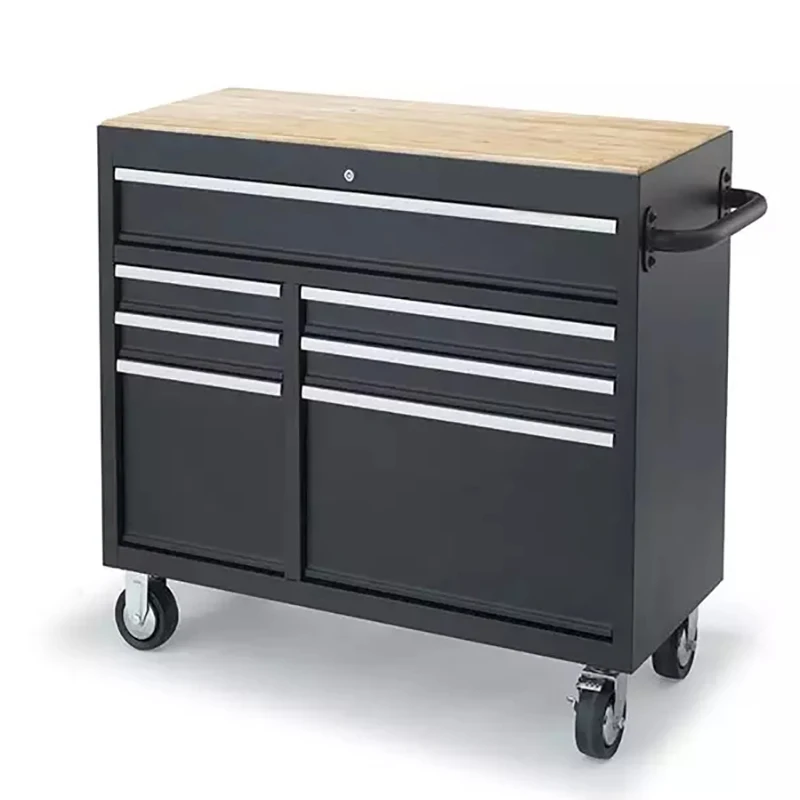
Material Superiority: How Cold-Rolled Steel Enhances Tool Cabinet Durability
Q235 Cold-Rolled Steel vs. Hot-Rolled Alternatives: Density, Tensile Strength, and Dimensional Stability
Tool cabinets built with cold rolled steel just perform better because of how the material is engineered. Take Q235 cold rolled steel for instance it packs about 7% more density than regular hot rolled steel, which means these cabinets can take bigger hits and still hold their shape over time. When we look at tensile strength numbers from Material Science Journal last year, cold rolled versions show anywhere between 15 to 20% improvement over standard hot rolled options. That makes all the difference when cabinets face daily wear and tear in workshops without bending out of shape. Another big plus? Cold rolling gets rid of those pesky mill scales and rough spots that come with hot rolled steel. What does this mean practically? Drawers stay aligned properly and weight gets distributed evenly across shelves something every shop worker appreciates after years of dealing with wobbly storage solutions.
| Property | Cold-Rolled Q235 Steel | Hot-Rolled Steel |
|---|---|---|
| Surface Finish | Smooth, uniform | Rough, scaled |
| Dimensional Tolerance | ±0.1mm | ±0.5mm |
| Yield Strength | 235 MPa | 195–210 MPa |
16-Gauge Structural Rigidity: Load Capacity and Impact Resistance for Heavy-Duty Tool Storage
Industrial tool cabinets typically work best with a 16-gauge thickness, which is around 1.5 mm thick. This gauge strikes a good balance between being strong enough for serious use without adding unnecessary weight to the cabinet itself. Most shelves can hold well over 500 kilograms of static load, and they resist dents and wear from those big power tools or when someone accidentally bumps into them. Tests have shown that 16-gauge cold rolled steel lasts about three times longer under repeated stress compared to thinner 18-gauge options before showing any real signs of wear and tear. With proper construction techniques like reinforced seams and double wall design, weight gets distributed properly across all shelves so nothing sags down over time, which would eventually mess up drawer operation. Facility managers looking after these cabinets need to check things regularly every three months or so. They should look at how solid the welds are, make sure shelves remain level, and tighten any loose bolts or screws that might have worked themselves loose during normal usage.
Corrosion Defense System: From Base Metal to Finished Surface
Industrial-grade tool cabinets operate in demanding environments where moisture, chemical exposure, and airborne contaminants accelerate metal degradation. A layered corrosion defense system—not a single coating—is essential to preserve structural reliability and protect stored tools over decades.
Phosphating + Acid Pickling: Essential Pre-Treatment for Uniform Coating Adhesion
Getting good corrosion protection starts with proper phosphating and acid pickling processes. Acid pickling works by stripping away mill scale, oxides, and other surface dirt from metal surfaces. This creates tiny rough spots on the metal that help coatings stick better. After cleaning, the steel goes through zinc phosphating treatment which applies a special chemical layer that bonds at the molecular level. According to recent studies published in Surface Engineering Journal back in 2023, this treatment boosts coating adhesion strength around three times compared to regular untreated steel. Skip these prep steps and even top quality coatings might start peeling off after exposure to heat changes, physical impacts, or long periods of moisture. Many manufacturers have learned this lesson the hard way through costly equipment failures.
Why Cold-Rolled Steel’s Smooth Surface Enables Superior Rust Inhibition
Cold rolled steel naturally resists rust better because of how it's processed. When manufacturers cold roll steel, they actually compress and even out the grain structure, which makes the surface much smoother around 0.8 to maybe 1.2 micrometers. That's way different from hot rolled steel surfaces that tend to be rougher and full of oxides. These tiny gaps in regular steel are where water and other corrosive stuff can get trapped, starting those annoying rust spots. Testing shows cold rolled Q235 steel treated properly with phosphate coatings and powder coating lasts about 1,200 hours before showing red rust in salt spray tests, roughly four times what we see with hot rolled versions. And here's something interesting even when there's some damage to the coating, the smaller surface area means less contact between metal and air, so the rust process just takes longer to start.
Electrostatic Powder Coating: The Final Barrier for Long-Term Tool Cabinet Protection
The electrostatic powder coating technique acts as a protective shield for metal surfaces, combining principles from physics and polymer chemistry to create something really tough and long lasting. When we apply this method, tiny charged powder particles stick evenly to cold rolled steel that's been grounded properly. The result? Full coverage across all sorts of shapes including tricky spots like corners and those hard to reach areas where rust tends to start forming first. After heating things up between around 180 to 200 degrees Celsius, these particles melt together creating a solid layer of cross linked polymer about 60 to 120 micrometers thick. What makes this approach so valuable is basically three main benefits that just can't be ignored:
- Chemical resistance against cutting oils, solvents, and workshop fluids
- Impact-resistant scratch protection, preserving both aesthetics and barrier integrity
- UV stability, preventing color shift or chalking in well-lit or sun-exposed facilities
Unlike solvent-based paints, this thermoset finish eliminates risks of peeling, blistering, or solvent entrapment. When integrated with phosphating and cold-rolled substrate quality, it extends functional cabinet life beyond 15 years in aggressive industrial settings—reducing total cost of ownership through fewer replacements and minimal maintenance (Corrosion Engineering Review, 2022).
Maximizing Lifespan: Practical Maintenance for Cold-Rolled Steel Tool Cabinets
Humidity Control, Chemical Spill Response, and Routine Inspection Protocols
Proactive maintenance multiplies the return on investment from premium cold-rolled steel construction. Three evidence-based practices deliver outsized impact:
- Humidity Management: Maintain ambient relative humidity below 60% using desiccants, dehumidifiers, or climate-controlled storage zones. Condensation is the primary catalyst for under-film corrosion—even on high-integrity coatings.
- Chemical Spill Protocol: Neutralize acids or alkalis immediately with pH-balanced cleaners. Residual chemicals rapidly degrade phosphate layers and polymer coatings; wipe spills within 10 minutes to prevent etching or localized coating failure.
-
Scheduled Inspections: Conduct monthly visual checks for:
- Paint chipping or coating damage (especially along edges and drawer fronts)
- Seal integrity around doors and drawers
- Drawer slide lubrication (apply food-grade silicone every six months)
- Structural deformation or uneven loading
According to longitudinal studies of industrial equipment fleets, implementing these protocols prevents 78% of premature cabinet failures. Address minor coating damage promptly using OEM-matched touch-up paint to restore continuous corrosion protection—preserving the integrity of the engineered defense system from base metal to finished surface.
FAQ
What is cold-rolled steel?
Cold-rolled steel is a type of steel processed through rolling at temperatures below its recrystallization point. This process enhances its density, tensile strength, and surface finish.
Why is cold-rolled steel preferred for tool cabinets?
Cold-rolled steel offers superior strength and durability, smooth surface finish, and better dimensional tolerance compared to hot-rolled steel, making it ideal for tool cabinets.
How do you maintain cold-rolled steel tool cabinets?
Routine inspections, humidity management, and immediate response to chemical spills are essential for maintaining the integrity of cold-rolled steel tool cabinets.
Table of Contents
- Material Superiority: How Cold-Rolled Steel Enhances Tool Cabinet Durability
- Corrosion Defense System: From Base Metal to Finished Surface
- Electrostatic Powder Coating: The Final Barrier for Long-Term Tool Cabinet Protection
- Maximizing Lifespan: Practical Maintenance for Cold-Rolled Steel Tool Cabinets
- FAQ