 EN
EN

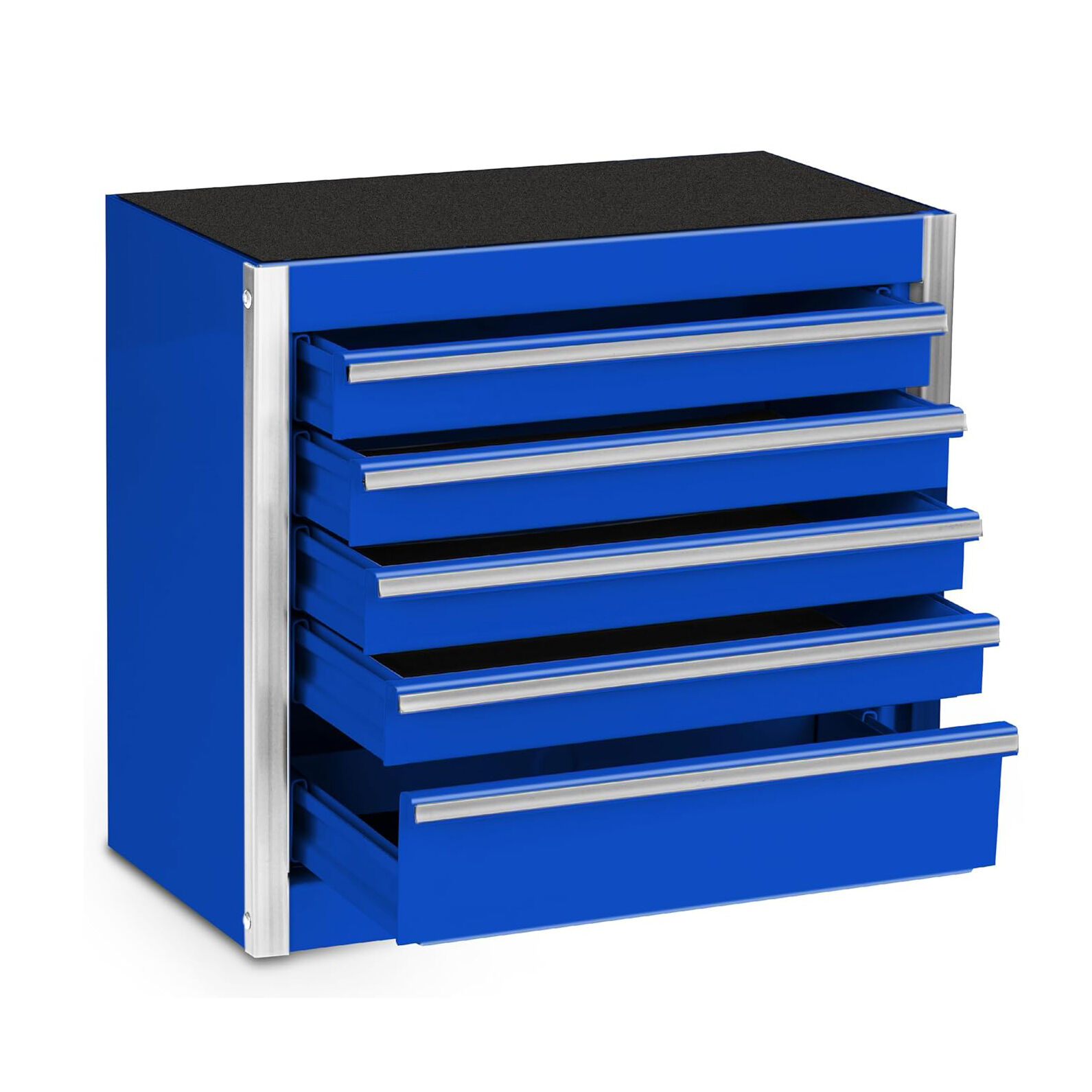
Why Portability Is the Defining Performance Metric for Modern Tool Boxes
These days, portability isn't just nice to have anymore when it comes to storing tools. Professionals and weekend warriors alike need their gear to move with them as work habits change completely. Stationary setups just don't cut it anymore in today's fast-paced world. Think about electricians who jump between job sites all day, plumbers rushing out for urgent fixes, or folks working on garden projects after hours. Market numbers back this up too. Portable storage options made up well over half of worldwide sales last year, and experts expect this trend to keep growing at around 5-6% annually through the next decade. Why? Well, there are several reasons behind this shift that really matter for anyone serious about their craft.
Getting tools right where they're needed cuts down on those expensive back-and-forth trips to the workshop. Jobsite research actually shows this can slash downtime by around 30%. Then there's the matter of moving heavy gear. The new transport systems are designed with balance in mind, so even when carrying over 50 pounds across rough ground, one person can handle it without struggling. Handles have been reinforced too. And what about keeping everything organized? Modular storage works hand in hand with portability. Those trays come equipped with slide locks that stop tools from falling out during transport, yet still let workers quickly grab what they need when setting up for the next job.
New materials are helping strike that balance between being mobile and strong enough for tough jobs. Take polypropylene tool boxes these days they can take pretty much the same hits as steel but weigh way less about 40% lighter actually. That means tools can be moved around without eating into what the truck or van can carry. With so many contractors working at different locations throughout the day, having all the gear packed up secure makes a huge difference. What used to be just nice to have when moving between jobs has become something absolutely essential for anyone trying to stay competitive in today's market where time is money and downtime costs real dollars.
Ergonomic Design Elements That Enable True Mobility: Wheels, Handles, and Weight Distribution
True mobility in modern tool boxes hinges on ergonomic engineering that minimizes physical strain. Key design elements—wheels, handles, and weight distribution—collectively transform heavy tool storage into portable, fatigue-resistant solutions. Research indicates optimized ergonomics can reduce user fatigue by 30–40% during transport tasks, making these features essential for professionals.
One-Handed Handle Systems with Locking Stability
How handles are designed makes all the difference for how well something moves around and stays safe. Modern tools come with these curved, grippy surfaces that don't slip, plus built-in locks so workers can operate them one handed without worrying about lids snapping shut mid-job, especially important on crowded construction sites. When working on rough ground or at awkward angles, these locking features keep everything from falling out of place. Tests show that workers drop their gear less often too, maybe somewhere around two thirds fewer times than with old style handles.
Caster Configuration Trade-offs: Dual-Wheel Agility vs. Four-Caster Load Support
The right casters make all the difference when it comes to how equipment actually moves around in practice. Dual wheel casters are great for quick turns and tight spots, spinning full circle so they work well in places like repair shops or inside delivery trucks where space is limited. On the other hand, four caster systems handle heavier stuff better because they spread out the weight more evenly across all wheels, which keeps things from tipping over when carrying loads over fifty kilograms. Some testing suggests that dual wheel setups can cut down on the effort needed to move around by about a quarter on flat floors, but the real advantage comes through with four caster wheels staying put even on slopes as steep as fifteen degrees.
Smart Organization for Rapid Tool Access in Field Conditions
Modular Trays and Lid-Mounted Quick-Access Zones
Modular trays turn regular old storage into something that can actually change with what's needed each day. Techs can move around the sections depending on their tools for whatever job comes up next. Fixed dividers are so last century compared to these removable trays that let workers set things up exactly how they need them whether it's electrical stuff or plumbing tasks. Some studies from Facilities Management Journal back this up showing people spend about 30% less time hunting for their tools when using these systems. The lids themselves aren't just covers either. They have panels attached where guys keep their go-to items like tape measures or screwdrivers right there at hand without having to open everything else. Makes sense really since nobody wants to dig through a toolbox when time is money out in the field.
- Top-Lid Organization: Keeps safety gear, fasteners, and calibration tools visible and reachable during mobile operations
- Interchangeable Trays: Permit tool grouping by task type, enabling swift swaps between job sites
- Ergonomic Prioritization: Positions heaviest tools near the base to maintain center of gravity during transport
Field studies show technicians using modular systems complete 22% more tasks per shift by eliminating rummaging through cluttered compartments. The strategic placement of high-use items in lid zones further reduces fatigue during repetitive access.
Durability Meets Portability: Material Choices That Sustain Performance Under Real-World Stress
Tool boxes need to survive the rough stuff out there on construction sites or workshops whether it's getting dropped, exposed to harsh weather conditions, or coming into contact with various chemicals. What material we choose really makes all the difference here. Too heavy and nobody wants to carry it around, too flimsy and it'll just break apart when something goes wrong. Let's look at what's commonly used these days. We've got polypropylene which is often reinforced with glass fibers, then there's ABS plastic, and finally aluminum. These materials each have their own strengths and weaknesses when it comes to how they hold up in actual use. Polypropylene stands out because it resists chemicals pretty well, though it needs extra support to stay strong enough. ABS plastic takes hits better than most so it handles those accidental drops nicely. Aluminum can handle serious weight loads but engineers have to be careful about designing it right to prevent dents forming easily. Picking the best option really comes down to what matters most for our specific needs lightweight stuff that travels well or something tough enough to protect our heavier tools from damage.
Polypropylene Reinforcement vs. ABS vs. Aluminum: Strength-to-Weight Benchmarks
When evaluating materials for portable tool storage, prioritize these key benchmarks:
| Material | Strength-to-Weight Ratio | Impact Resistance | Best Application |
|---|---|---|---|
| Reinforced Polypropylene | Moderate | Medium | Chemical-heavy environments |
| ABS | High | Excellent | High-impact job sites |
| Aluminum | Very High | Good | Heavy-duty professional use |
When we talk about materials, polypropylene mixed with fiberglass saves around 30% in weight compared to regular plastics, but it does take a hit on how well it handles impacts. Then there's ABS plastic, which is actually pretty tough against repeated drops. Most people find it holds up better than those other options mentioned earlier. However, when temperatures drop really low, this material gets a bit stiff and less flexible. Aluminum takes the cake for tensile strength, easily supporting over 500 pounds in many industrial applications. The downside? It weighs about 40% more than alternatives. Field workers who need to carry equipment all day usually prefer ABS because it absorbs shocks from bumps and knocks during transport. Plus, units made with ABS stay light enough so one person can manage them without struggling too much.
FAQ Section
Why is portability important for modern toolboxes?
Portability is crucial because it allows for easy transport of tools between job sites, reducing downtime and increasing efficiency. It is particularly important for professionals who work in varied locations.
How does ergonomic design in toolboxes benefit users?
Ergonomic design minimizes physical strain by incorporating elements like wheels, handles, and weight distribution, which collectively reduce user fatigue and improve the ease of transport.
What materials are commonly used in modern toolboxes?
Common materials include reinforced polypropylene, ABS plastic, and aluminum, each offering unique benefits such as chemical resistance, impact absorption, and tensile strength.
How do modular trays enhance tool organization?
Modular trays allow customizable organization, enabling users to rearrange compartments based on specific tasks, thereby reducing time spent searching for tools and increasing productivity.
Table of Contents
- Why Portability Is the Defining Performance Metric for Modern Tool Boxes
- Ergonomic Design Elements That Enable True Mobility: Wheels, Handles, and Weight Distribution
- Smart Organization for Rapid Tool Access in Field Conditions
- Durability Meets Portability: Material Choices That Sustain Performance Under Real-World Stress
- FAQ Section