 EN

Client Feedback on Bulk Orders of Metal Workshop Cabinets
For a brand placing a bulk order, useful feedback on metal workshop cabinets is more than a compliment or a complaint. It explains which requirement was checked, what arrived and what should change before the next order. A cabinet may look right in a photograph while its drawer layout, packaging or labeling falls short of the buyer's agreed brief.
No verified customer quotations or completed project records were supplied for this article. The points below are a practical framework for collecting and evaluating feedback, not a report of actual client experiences with a particular manufacturer. Use it to turn observations into decisions that both the buyer and supplier can review.
Start with the order, not a general rating
Feedback on metal workshop cabinets is easier to interpret when it refers to a specific order and the version of the specifications used for that order. Keep the approved drawing, finish reference, item list, quantities and packaging instructions together. If a requirement changed after the sample was reviewed, note who approved the change and when.
Ask the people who purchase, receive, assemble and use the units different questions. A purchasing team may need clear order documentation; a receiving team may focus on labels and transport condition; workshop users may care about access to frequently used tools. These are possible review perspectives, not claims that any group reported a particular problem.
For metal workshop cabinets, request evidence alongside each observation: a photograph, a measurement taken against the agreed drawing, a copy of the relevant label or a description of the operating condition. Separate an individual observation from a pattern until enough units have been examined. Avoid treating an isolated remark as proof about an entire shipment.
Check configuration and daily access
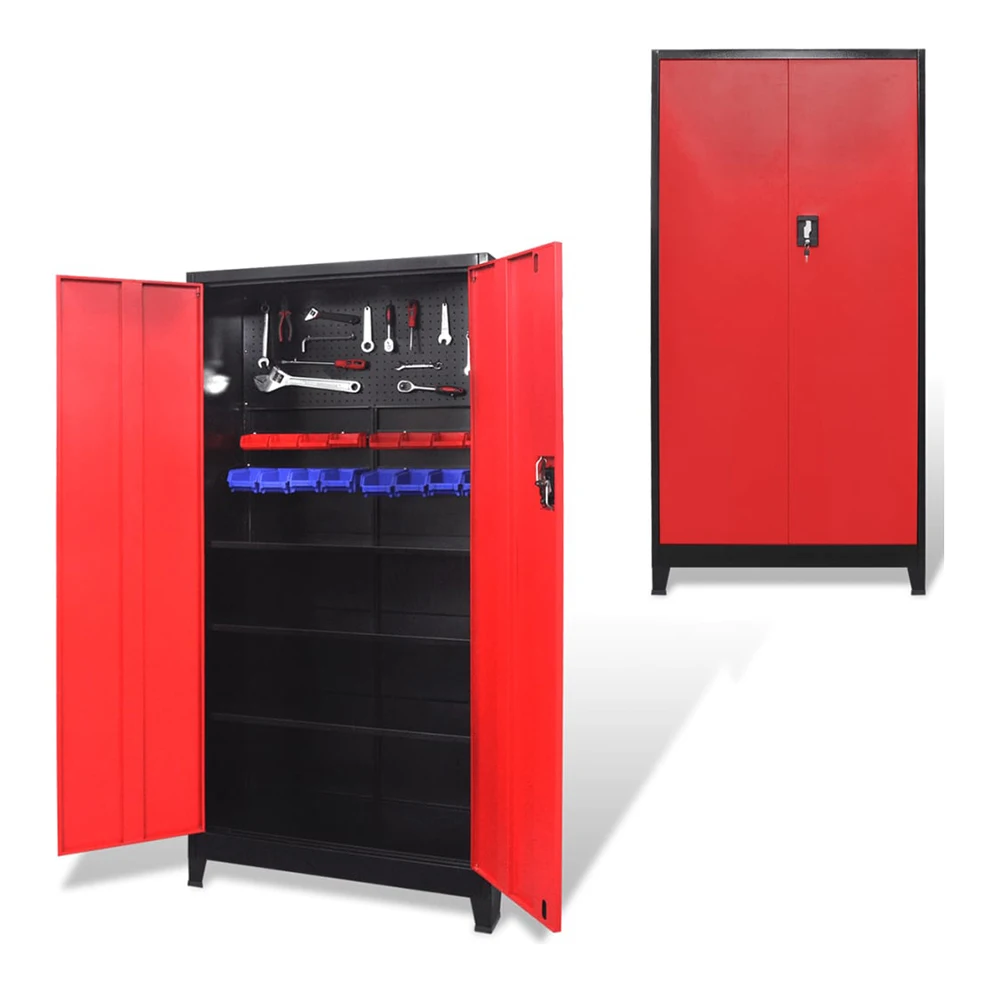
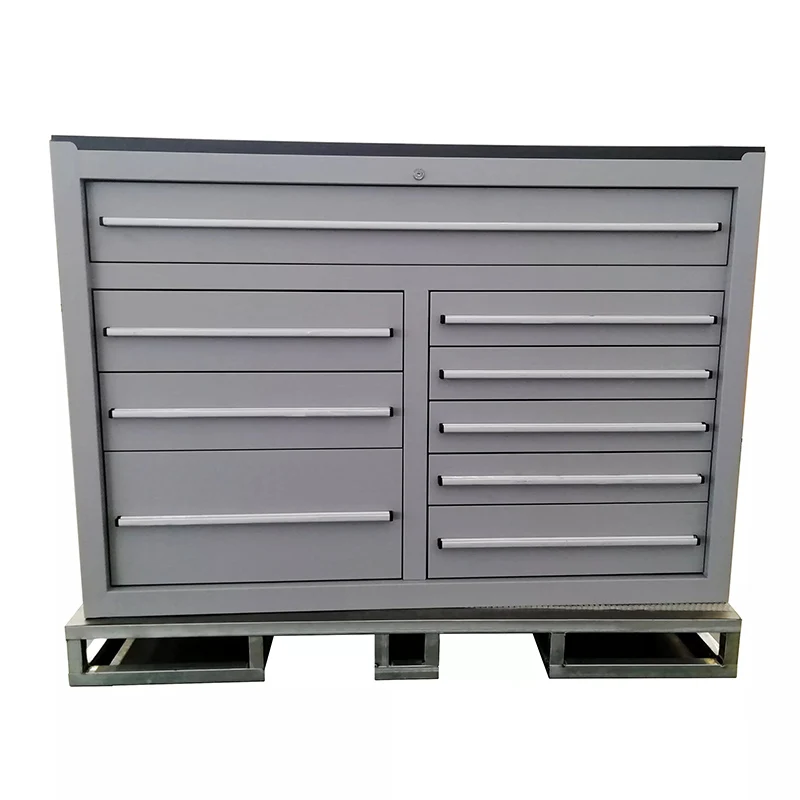
The first question for metal workshop cabinets is whether the delivered configuration matches the approved order. Compare the outer dimensions, drawer or shelf arrangement, door direction and any requested fittings with the relevant drawing. Record the model or item reference so a finding can be traced to the correct configuration.
Then consider how the cabinet is intended to be used. Can the proposed layout accommodate the tool groups the buyer plans to store? Are access routes and opening clearances suitable for the intended work area? These questions should be answered against the buyer's own layout and the agreed specification, rather than a presumed universal arrangement.
Where metal workshop cabinets include drawers, doors or locks, agree before inspection which functions will be inspected and how a reviewer will record the result. Check operation according to the product instructions and agreed acceptance criteria. Any stated load limit, stability requirement or test result needs supporting product documentation; it should not be inferred from the appearance of a unit.
For a proposed change, describe the operational reason as well as the feature. For example, a buyer might ask to review the placement of frequently used tools before selecting a drawer layout. That is a hypothetical planning question, not a customer testimonial or a promise that a particular arrangement is available.
Review consistency across a bulk shipment
With metal workshop cabinets ordered in quantity, the review should cover more than a single display unit. Agree a documented inspection approach before dispatch or receipt, including how units are selected, which characteristics are checked and what counts as an acceptable result. The parties should define the sample size and acceptance criteria for their own order rather than assume a fixed rule.
Compare observed finishes, fittings and visible assembly details against the approved reference. If metal workshop cabinets differ from the agreed reference, record the affected item, the location of the difference and the quantity actually checked. Photos can help clarify the issue, but they do not replace measurements or agreed testing where those are needed.
Feedback should also distinguish a specification issue from damage or an assembly question. A finish variation may need comparison with an approved finish reference; a missing fitting calls for a check against the packing list; a damaged carton needs a receiving record. Each route may require a different response and different evidence.
Examine packaging and receiving records
Even when metal workshop cabinets match the approved design, the receiving process matters. Before an order is placed, identify who needs item labels, how cartons should be marked and what documents should accompany the shipment. Confirm which party is responsible for packing, transport arrangements and any agreed inspection.
At receipt, compare item references and quantities with the order and packing documents. Record visible package condition before unpacking and retain photographs where a discrepancy is found. If units need assembly, keep the instructions and hardware lists with the relevant item. These steps make a subsequent discussion more precise; they do not establish that any shipment has been damaged or delayed.
When feedback concerns metal workshop cabinets after installation, note the installation setting and the instructions followed. For safety-related concerns, stop using the affected unit and consult the supplier or an appropriate qualified person. Ask for the relevant loading, anchoring and stability guidance for the actual configuration; do not assume a standard or rating applies without evidence.
Ask what a supplier claim actually covers
Some buyers search for a 20000 sqm factory when assessing possible capacity. A number in a search phrase is not evidence of a particular site's area or output. If facility size matters to the purchase of metal workshop cabinets, request current documentation, clarify what area is included and ask how the information relates to the proposed order. This article does not assert any factory's area.
Likewise, turnkey OEM can mean different things to different parties. Ask which activities would be included in the quote: design review, sampling, production, branding, packing and logistics may be discussed separately. Identify the owner, deliverable and approval point for each agreed activity. Mentioning the term does not confirm that a particular supplier offers all of those services.
For metal workshop cabinets, compare the written scope with the actual purchase brief. Request confirmation of the materials, finish, hardware, order quantity, required documents and any change-control process. If the answer is not yet supported, keep it as an open question rather than converting it into a marketing claim.
Turn feedback into the next order brief
A useful feedback record for metal workshop cabinets connects four things: the requirement, the observation, the supporting evidence and the action requested. The action might be to clarify a drawing, review a sample or correct an item reference. Set an owner and agree how the response will be checked; do not assume a proposed action has already been completed.
- Identify the order, configuration and specification revision.
- Describe what was checked and how many units were actually reviewed.
- Attach the relevant evidence and note any limitations.
- Separate confirmed differences from questions that need investigation.
- Agree a response, a responsible contact and a method for closing the issue.
Before ordering metal workshop cabinets again, review unresolved items with the supplier and update the purchase documents where both parties agree. A documented, specific conversation gives a buyer a firmer basis for comparing proposals than an anonymous rating or an unverified case study.

 Hot News
