 EN

Global Market Trends in Metal Tool Box Cart Design
For a storage brand sourcing across markets, a tool box cart is more than a cabinet with wheels. The design has to fit the way people move, retrieve and return tools, while giving procurement teams a clear basis for comparing suppliers. A useful brief connects those daily movements to dimensions, components and finish requirements.
This article examines design directions rather than reporting market growth. Preferences differ by user, workplace and destination, and the available evidence does not establish a single worldwide ranking. Treat each point as a question to validate with your intended customers, not as a claim about every market.
Mobility Is a Workflow Decision
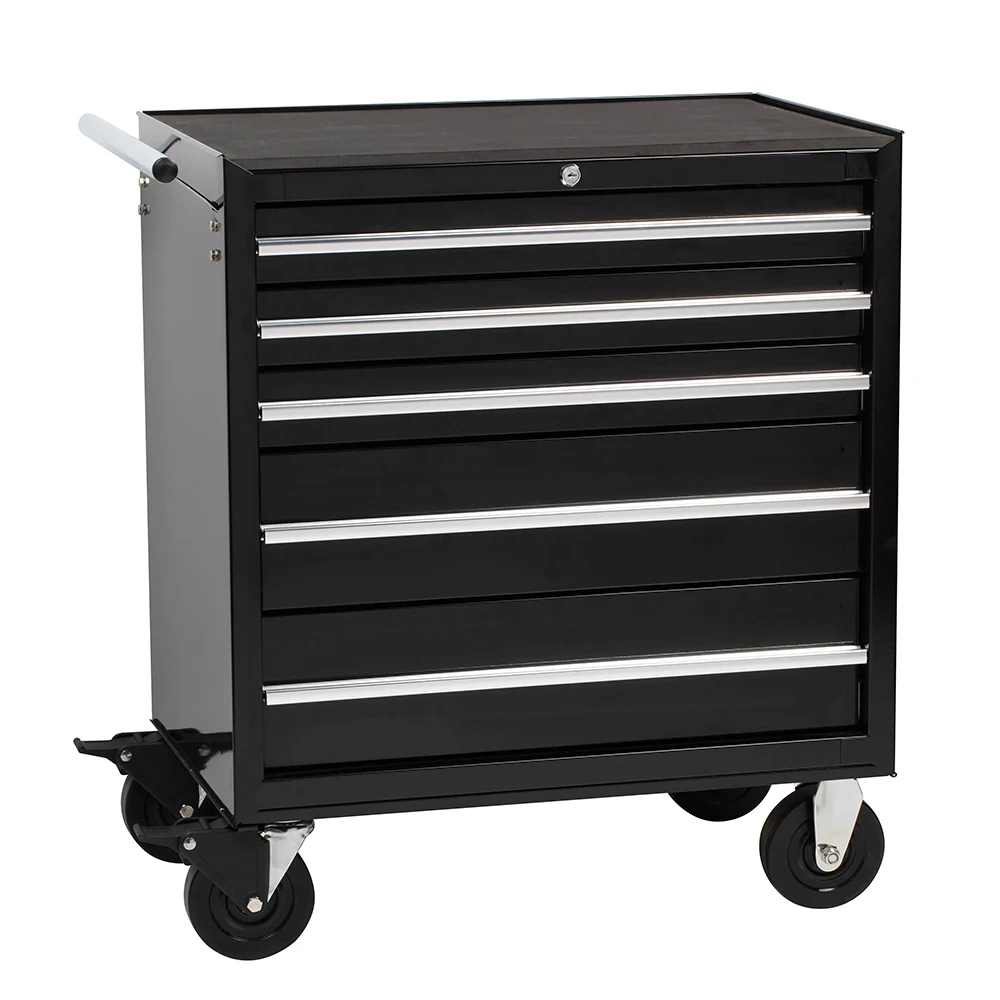
A tool box cart can bring a selected set of tools to a work area rather than sending users back to fixed storage. That flexibility only matters when the route is practical. Note aisle width, floor joints, doorway clearance and the places where the cart will stand during a task. A cart that moves easily when empty may behave differently with a full load.
For an illustrative maintenance team serving several workstations, a compact tool box cart could carry the tools used across those stations while less frequently used equipment remains in a fixed cabinet. This is a hypothetical layout, not a customer case. Before choosing it, map the actual tool list and ask users how often they need to change locations.
In a design review, discuss wheel material, swivel arrangement and any locking mechanism alongside the expected floor conditions. Ask the supplier what load is covered by the proposed configuration and how that load has been assessed. Do not infer a capacity from wheel size or from a photograph.
Handle Design Needs Real User Input
An ergonomic handle should suit the people using the cart, the loaded condition and the space needed to turn. A comfortable grip on a showroom floor does not by itself establish suitable handling in a crowded workshop. Consider whether the handle offers hand clearance, supports a natural pushing position and remains reachable when drawers are closed.
The Canadian Centre for Occupational Health and Safety gives a reference range of 91–112 cm above the floor for fixed horizontal handcart handles, and notes that vertical handles allow users to select a comfortable hand position. This is general handcart guidance, not a specification for every tool box cart. Check the intended user population and seek an appropriate assessment for the actual cart and workplace.
During sample review, ask users to move a representative load through a real route, including turns and thresholds. Record awkward reach, visibility concerns and interference with nearby equipment. If the ergonomic handle is changed, check the resulting overall footprint and the way the cart is packed for transport.
Powder Coated Steel Is a System, Not a Finish Claim
Powder coated steel is a finish option for a metal tool box cart, but the words alone do not tell a buyer how a particular unit will perform. Surface preparation, the chosen coating system, application and the intended exposure all matter. Coating guidance from industrial suppliers describes corrosion protection as a combination of appropriate pretreatment and a powder coating selected for the environment.
For an indoor workshop, ask about cleaning agents, contact points and the level of wear the finish should tolerate. For a more demanding setting, describe the actual moisture or chemical exposure and request a suitable specification. A buyer can ask for coating documentation or agreed test evidence; neither a color swatch nor a generic material label establishes the result.
Color also has a practical role. A brand may want a consistent visual identity across a tool box cart range, but surfaces at handles, edges and drawer fronts will be handled differently. Agree on appearance criteria, where the finish applies, and how color will be reviewed under comparable lighting. Confirm any touch-up expectations before approving a sample.
Storage Layout Is Becoming a Range-Planning Question
Across different workshop contexts, brands can use one tool box cart platform as the starting point for distinct configurations. That does not mean every module is interchangeable. Decide whether the cart needs shallow drawers for small hand tools, deeper space for larger items, an open top or a combination. The right arrangement depends on the tool mix and the sequence of work.
Begin with retrieval rather than total volume. A frequently used item should be easy to reach and put back; rarely used items need not occupy the most accessible position. Check drawer clearance, extension, dividers and any locking arrangements with the supplier. Also verify how the proposed drawer layout affects the cart when tools are loaded and drawers are opened.
For a product line sold in more than one destination, document which elements are common and which can vary. Handle position, labeling, color and packaging may be discussion points, but any change must be confirmed against drawings and samples. A shared visual style is useful only if the variations remain clear to sales, production and quality teams.
Translate Market Requirements Into a Comparable Brief
When a tool box cart is sourced for multiple destinations, avoid assuming that one regional preference applies everywhere. The relevant differences may involve workplace layouts, customer expectations, distribution channels or local requirements. Ask the customer which conditions apply, then have a qualified reviewer confirm any applicable rules and their current editions before making compliance claims.
Give each prospective supplier the same initial scope. Include the tool list, intended use, approximate footprint, desired drawer arrangement, finish environment and packing constraints. Separate mandatory requirements from options, and state which details still need confirmation. That makes competing proposals easier to compare without treating unlike configurations as equivalent.
Request a drawing or sample review plan for the tool box cart. Agree on how changes will be recorded, which characteristics need approval and what evidence is expected for handling, load and finish. A review should cover the finished configuration rather than isolated components alone; supplier claims and actual specifications still need verification.
A Practical Starting Point for OEM Buyers
Before releasing an inquiry, bring together product, purchasing and end-user input. Can the proposed tool box cart move through the intended route? Does the ergonomic handle fit the intended users? Has the powder coated steel system been discussed in relation to the exposure? Are the drawer layout, load assumptions and packaging defined well enough to review?
Haiyang Libenli Metal & Technology describes sheet-metal processing and customized solutions in its company profile. For a project discussion, share the intended application and ask which construction, finish and review details can be confirmed for the proposed design. The outcome should be a documented brief, not a promise inferred from a general capability statement.

 Hot News
