 EN

Global Industry Trends in Sheet Metal Tool Storage
Tool storage is no longer just a question of putting more drawers into a steel cabinet. For a brand sourcing sheet metal products across markets, the more useful question is how a cabinet, cart, or modular range fits the work around it. A practical brief connects tool access, production methods, surface finish, shipping, and serviceability before a supplier is asked for a quote.
The following trends are decision areas, not a forecast of the size or growth of the tool storage market. They help OEM buyers distinguish a workable configuration from a product name that leaves too many details open.
1. Storage ranges are being planned around work zones
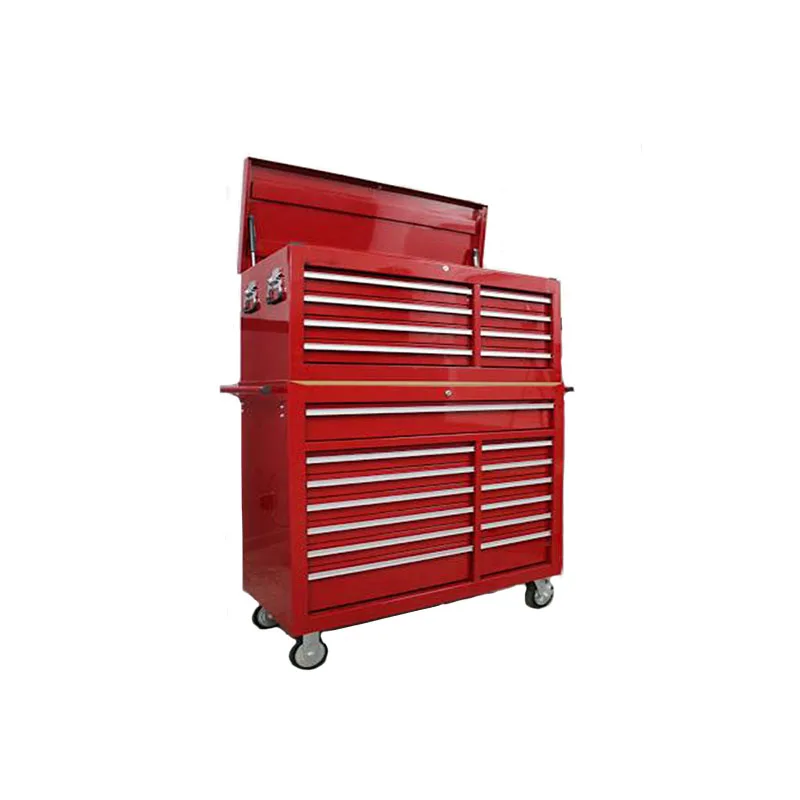
Tool storage can serve a fixed maintenance bench, a shared assembly area, or a mobile repair task. Each setting changes the layout. A fixed cabinet may keep a large inventory near one station; a cart may bring a smaller selection to several work areas. A modular range can combine both, provided the connections and footprint are defined.
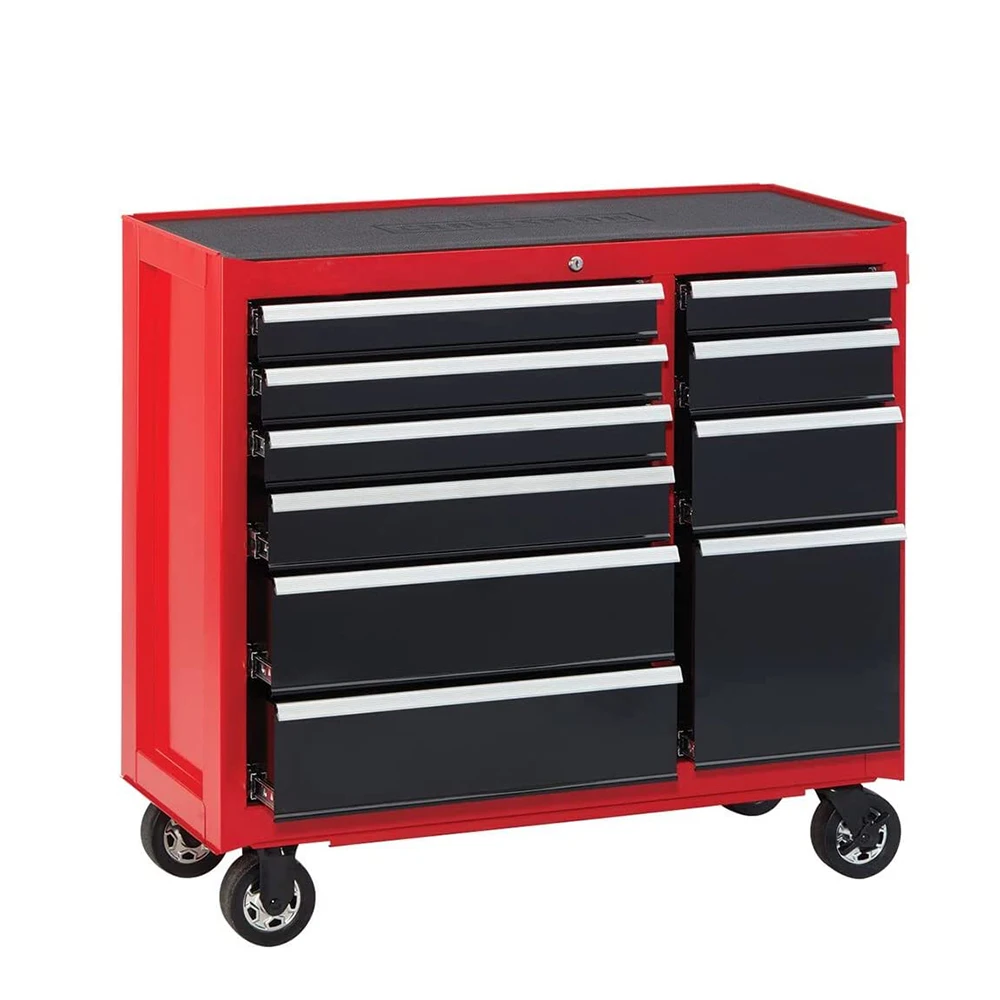
For product teams, the first step is to map where tools are picked up and returned. List the heaviest and most frequently used items, then review drawer heights, usable depth, opening clearance, and access paths. A cabinet with more nominal compartments is not necessarily easier to use if common tools are buried or the open drawers obstruct a walkway.
Ask the supplier to show the internal dimensions and layout on drawings. Check whether drawer organizers, dividers, and locking arrangements are included in the proposed tool storage configuration or quoted separately. These details make comparisons between suppliers more meaningful.
2. Modularity needs clear interfaces
Across a tool storage range, a consistent design language can give brands room to offer different sizes and layouts without treating every model as an unrelated project. The commercial opportunity is conditional: components need defined interfaces, and changes to one module must not introduce fit problems elsewhere.
In an OEM brief, identify which elements should remain common and which may change by market or user group. A shared cabinet body might be paired with alternative drawer layouts, handles, or caster arrangements. That is a planning option, not a claim that any particular supplier offers interchangeable parts. Confirm dimensions, mounting points, tolerances, and replacement-part availability before describing modules as compatible.
Sample reviews should include the whole assembled tool storage unit, not only individual panels. Drawer movement, gaps, handle access, and fastener locations are easier to assess together. Document accepted samples and revision numbers so future conversations refer to the same configuration.
3. Automation changes the questions buyers ask
Manufacturing automation provides context for tool storage sourcing, but it is not evidence that every cabinet factory uses the same equipment. The International Federation of Robotics reported 541,302 industrial robot installations worldwide in 2023, including 76,831 in the metal and machinery industry, in its World Robotics 2024 summary. Those figures cover industrial robots broadly, not cabinet production or tool storage demand.
An automated production line may support repeatable handling or processing when a design and production volume suit the equipment. It can also require upfront setup and change control. Rather than assume automation means a better outcome, ask which operations are automated, which are manual, and how the supplier checks critical dimensions after a design revision.
For a tool storage program, request a clear drawing approval process and inspection points for the cabinet body, drawers, and assembly. Discuss how part identification and revision control work when several similar models are ordered. A small design change can affect tooling, finish preparation, packaging, or assembly instructions, so the commercial review should cover those interfaces as well as piece price.
4. Finish selection is becoming a broader specification
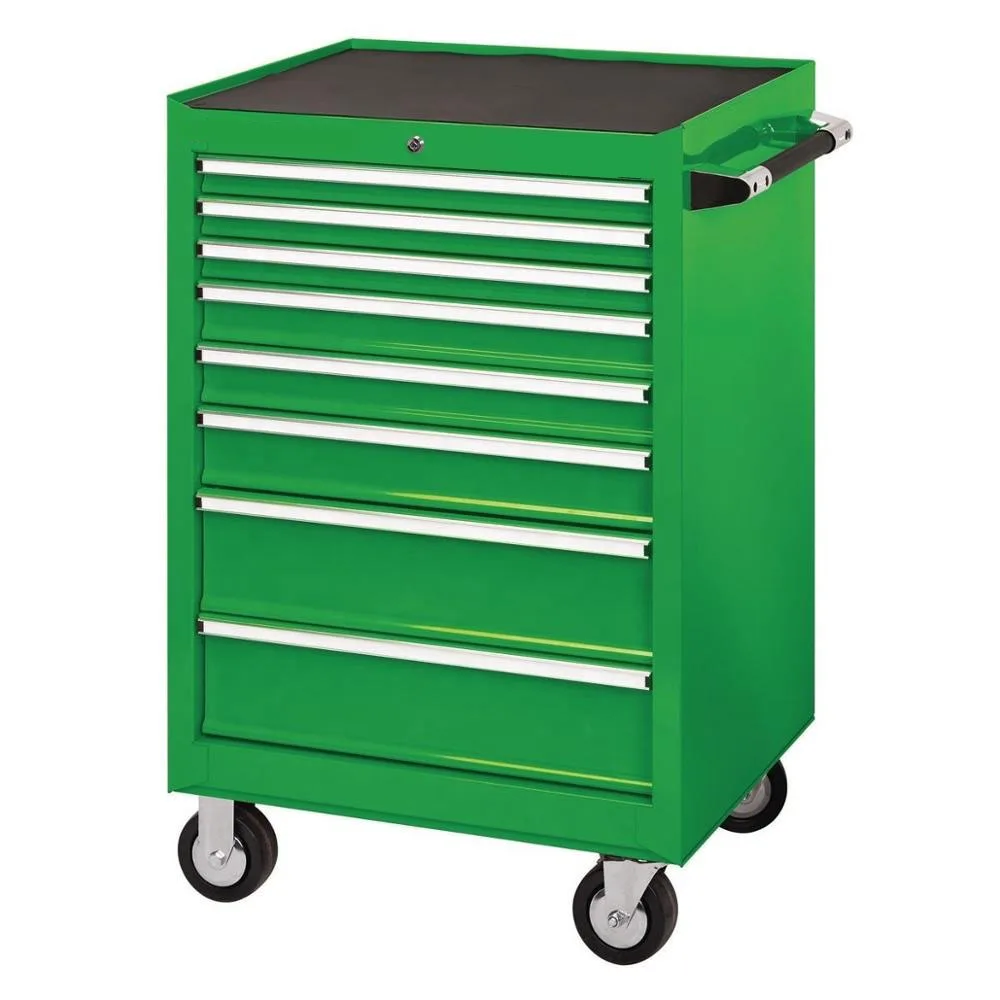
Color is only one part of a finish. A green powder coat, for example, may describe the appearance requested for a tool storage range; the word green does not establish its environmental performance. Buyers should separately define the color reference, gloss, texture, exposure conditions, and areas that need coverage.
Powder coating can offer an opportunity to reduce volatile organic compound emissions compared with some solvent-based finishes. The US Environmental Protection Agency describes that potential in its powder-coating guidance. The result for a particular tool storage product depends on the formulation and the whole process, including surface preparation, energy use, overspray handling, and local operating practices. It should not be presented as proof of a low-impact or zero-emission product.
For a sourcing discussion, ask for an approved finish sample and the relevant coating information. Agree on the inspection method and any durability tests appropriate to the intended environment; confirm the test method, acceptance criteria, and responsibility for testing before making a performance claim. A workshop cabinet used indoors and one exposed to moisture may require different specifications.
5. Global sourcing puts documentation beside price
Cross-border tool storage projects involve more than comparing an initial quotation. A brand may need different labels, packaging, instructions, or accessory combinations for different destinations. These requirements should appear in the request for quotation rather than be added after the sample is approved.
Separate the core product specification from optional items. Identify the units of measurement, target market, expected order pattern, packing configuration, and the documents each destination requires. If a standard, certification, or legal requirement might apply, have a qualified reviewer confirm the exact requirement and edition for the product and market. Do not assume a factory or product holds a certification without documentary evidence.
Shipping considerations belong in the tool storage design review too. Cabinet weight, protective packaging, assembly state, and handling points can affect how a product arrives and how easily the customer installs it. Ask which details the quotation includes and how the supplier proposes to verify packaging against the agreed shipping conditions.
6. Serviceability and evidence support a longer product life
For a tool storage brand, an inquiry should address what happens after the first shipment. Ask which wear-prone components can be replaced, how spare parts are identified, and whether drawings or instructions can support maintenance. Availability is a supplier-specific question; do not promise replacement stock or service terms until they are agreed.
Assess the cabinet as an assembly: drawer slides, locks, handles, casters, and fasteners all affect the use experience. Specify intended loading and usage conditions, then request the supplier's applicable rating and test evidence. A published capacity is useful only when its scope is clear, including whether it applies to a drawer, the cabinet, or a particular loading arrangement.
A practical OEM checklist
Before requesting a tool storage quotation, bring the product and procurement teams together around a short set of review points:
- Use: Identify the work zone, tool mix, access sequence, and whether the unit stays in place or moves.
- Configuration: Provide drawings or target dimensions, drawer layout, hardware choices, and any module interfaces.
- Finish: Define appearance and exposure requirements separately from environmental claims; agree on sample and test criteria.
- Production: Ask which operations and inspection steps apply, and how revisions are communicated.
- Delivery: Specify destination, labeling, packaging, instructions, and documentation to be confirmed.
- Aftercare: Discuss replacement components and the information needed to identify the correct version.
These checks turn broad tool storage trends into a brief that can be reviewed, quoted, and refined. Haiyang Libenli's profile describes sheet metal processing and customized manufacturing; its company website provides a starting point for a capability discussion. Confirm the specific product, processes, and commercial terms for each project rather than treating a general capability statement as a finished specification.
 Hot News
