 EN

How a Roll Around Tool Box Streamlines Daily Assembly?
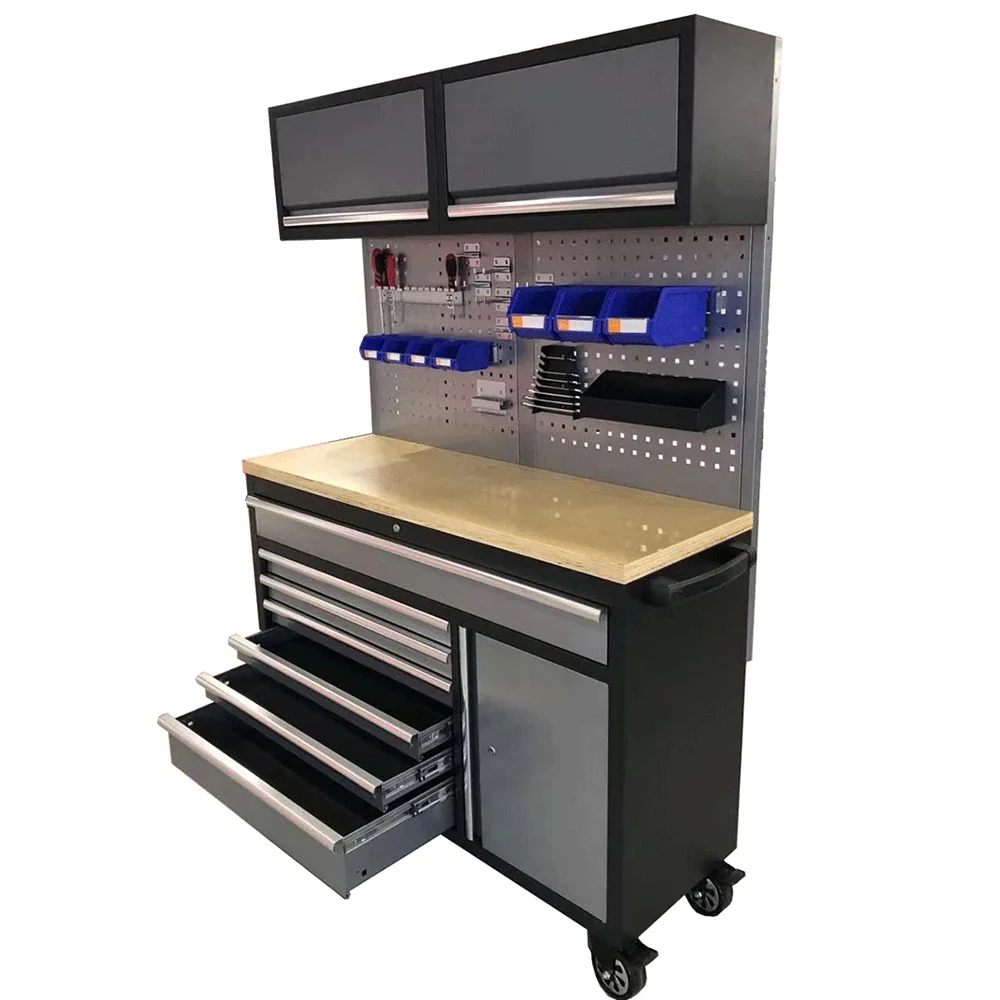
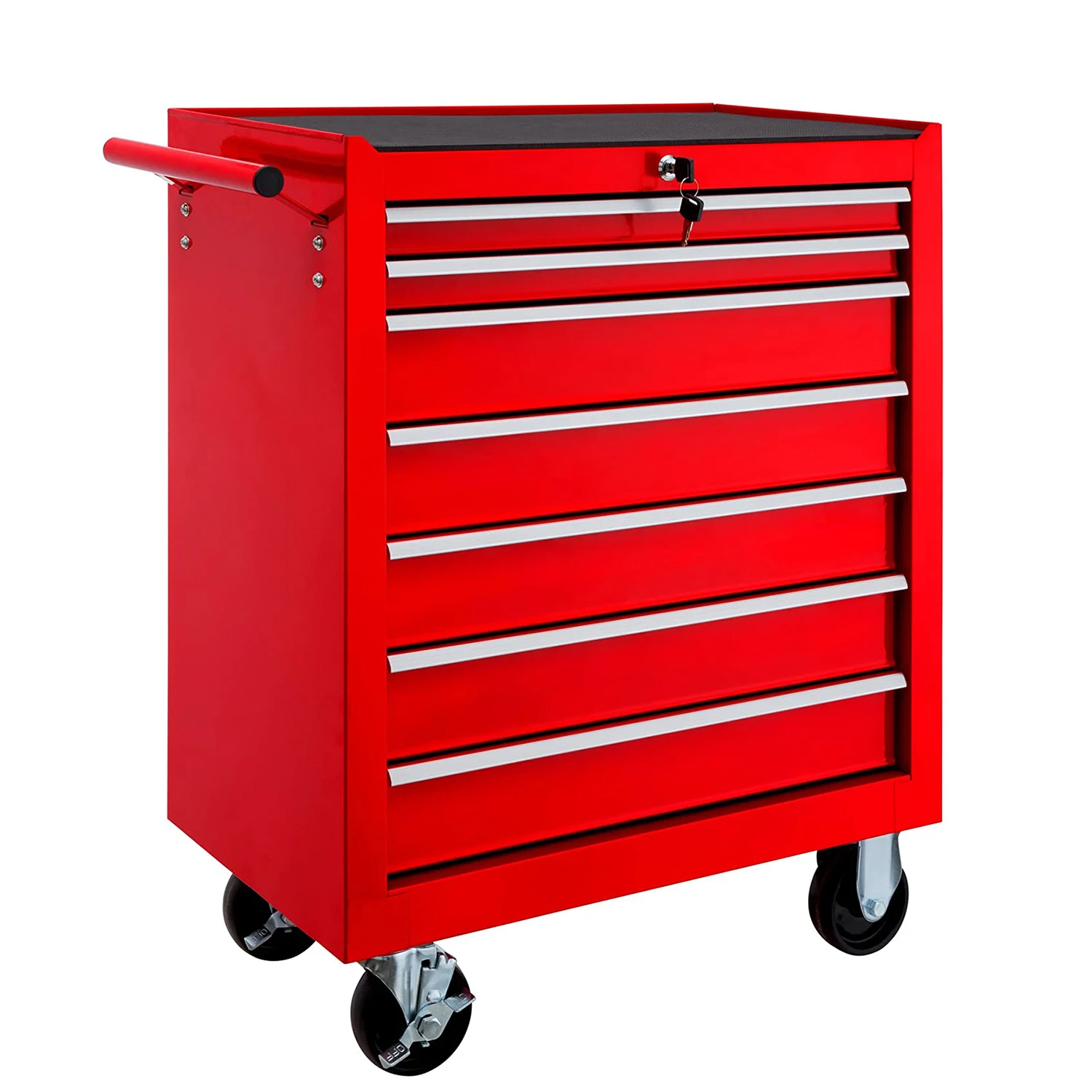
Assembly work is a sequence of small movements: select a fastener, reach for a driver, check a fit, and put the tool back. When those items live in different places, every change of task can add another trip across the floor. A roll around tool box brings a selected set of tools to the work area, but its value depends on how well its layout fits the actual job.
For a workshop user, the useful measure is not the number of compartments alone. It is whether the right items can be found, moved and returned without obstructing the next operation. For a storage brand, that same sequence offers a practical starting point for a product brief.
Start with the assembly sequence, not the cabinet
Before choosing a roll around tool box, list the tools and supplies used in a typical run. Separate daily-use hand tools, measuring items, bits, fasteners and items needed only for occasional adjustments. Note where each operation takes place and which items must travel with the worker. A diagram of the route can reveal whether the box needs to move between stations or simply remain beside one bench.
Ask which items are picked up together. A driver and its common bits may belong close to one another, while a measuring instrument may need a separate protected space. The goal is a sensible return location, not a full drawer for every category. Keep items with special handling requirements in storage appropriate to the workplace rules rather than assuming that any general-purpose box is suitable.
Consider a hypothetical assembly task in which an operator fits a bracket, checks alignment and tightens fasteners at two benches. The relevant question is whether a shared kit can accompany the work and leave each bench clear. This is an illustration of planning, not a claim about a customer installation or a measured improvement.
Give each group an identifiable home
A roll around tool box is easier to use when its internal arrangement mirrors the order of the work. Place frequently selected items where they can be reached without moving unrelated tools. Keep small parts separated by type, and leave enough room to lift a tool out rather than packing the space tightly. Labels or simple outlines can make an empty position easier to notice at the end of a task.
Where compatible inserts are available, modular trays can separate a driver set from hardware or gauges. The advantage is flexibility: a tray may be rearranged when an assembly changes, rather than rebuilding the entire layout. Confirm tray dimensions, fit and retention with the supplier; the phrase does not imply that every tray fits every drawer.
Keep heavier items low where the design and the manufacturer's instructions permit, and check the stated load limits for the whole unit and for individual drawers. Avoid loading an open drawer in a way that could make the unit unstable. A clean return routine matters as much as the initial arrangement: if tools have no clear home, the layout tends to drift as the shift progresses.
Plan movement around the real floor
The mobility of a roll around tool box matters only if it can travel the intended route. Look at aisle width, doorways, changes in floor level, turning space and the location of nearby work. A box that fits beside a bench may still obstruct a passage when a drawer is open. Mark a parking position that preserves access to equipment and does not block an exit or walkway.
Ask the supplier how wheel material, diameter, swivel arrangement and any locking devices relate to the floor and expected load. Smooth rolling wheels are useful to assess on the actual surface, including joints and debris, rather than by appearance alone. Confirm that any wheel locks or drawer restraints work as specified for the chosen configuration. Close drawers and secure loose items before movement, following the manufacturer's instructions.
Manual handling also deserves attention. The Canadian Centre for Occupational Health and Safety publishes guidance on pushing and pulling handcarts; apply the relevant workplace procedures and assess the force and visibility needed for the intended route. In the United States, OSHA's general material-handling rule, 29 CFR 1910.176, addresses matters including safe storage and housekeeping. Check which requirements apply to the site; mentioning a rule is not evidence that a particular product meets it.
Set up a repeatable work-and-return routine
Once the roll around tool box has an assigned position, test the arrangement with the people who will use it. The exercise can be simple: begin with a closed unit, retrieve the first tool, carry out the task, return it, and move to the next group. Watch for unnecessary reaching, drawer interference and items that end up on the bench because their storage location is awkward.
- Group the tools used together and separate items that require protection.
- Assign locations according to frequency of use and safe handling needs.
- Move the loaded unit along the intended route, if the workplace permits the trial.
- Review open-drawer clearance and the parking position at each station.
- Adjust the layout after actual use and record any unresolved issue.
The point is to reveal friction before a layout becomes a habit. If assembly mixes change regularly, removable inserts may help. If the same kit stays at one bench all day, fixed storage may be sufficient and the extra mobility may not justify its footprint. A roll around tool box is one option in a larger storage plan, not a replacement for every cabinet or work surface.
Turn the workflow into a sourcing brief
For a brand specifying a roll around tool box, describe the intended use before asking for a configuration. Share the tool groups, expected loading, operating surfaces, parking space and desired organization. Distinguish required features from options, and request drawings or samples where fit, clearance and handling need review. Confirm the rated limits, wheel arrangement, drawer configuration, finishes and packaging for the proposed unit rather than relying on a generic product name.
Haiyang Libenli's profile describes sheet-metal processing and customized solutions, providing context for a discussion about metal-storage requirements. The details of any particular configuration still need confirmation. A clear brief gives both the brand and the supplier a common set of questions to resolve.
What should be checked after setup?
Review whether the roll around tool box still supports the sequence after the team has used it. Are frequently used items within practical reach? Can drawers open without narrowing a route? Do the trays contain the current tool set, and are loose parts secure before movement? If the answers change as the assembly changes, revise the layout and confirm any new loading needs.
Good organization is an ongoing fit between people, tools and space. Begin with the task, verify the proposed configuration, then revisit the arrangement when work changes. That approach makes mobility a deliberate part of daily assembly rather than just another feature on a specification sheet.

 Hot News
