 EN

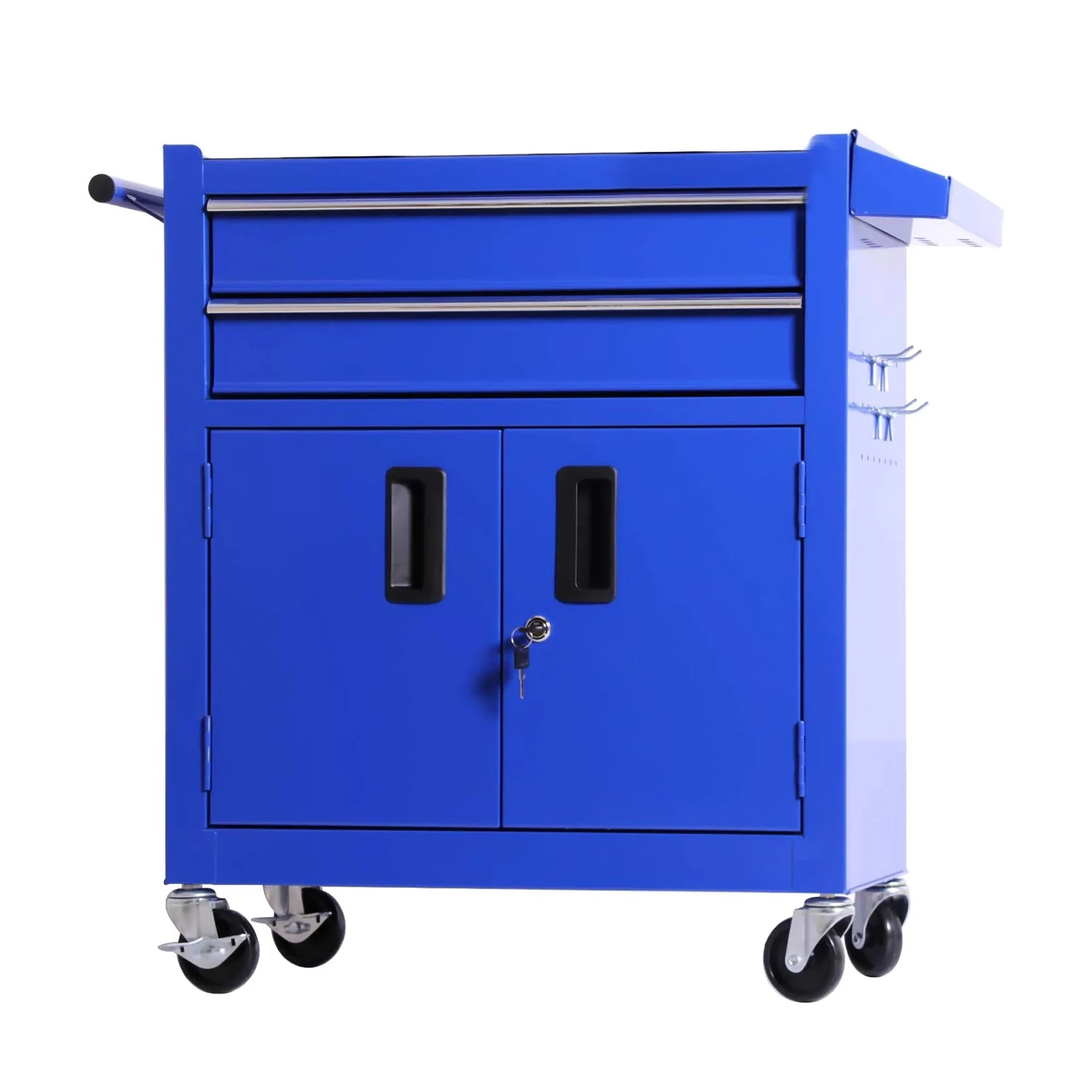
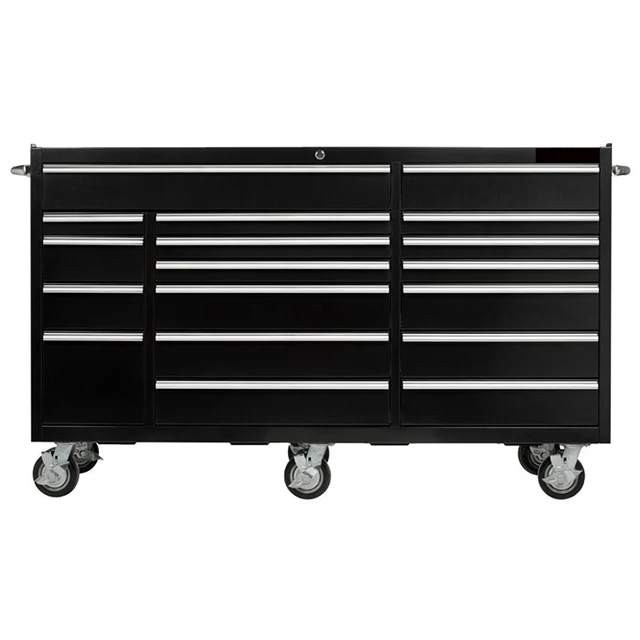
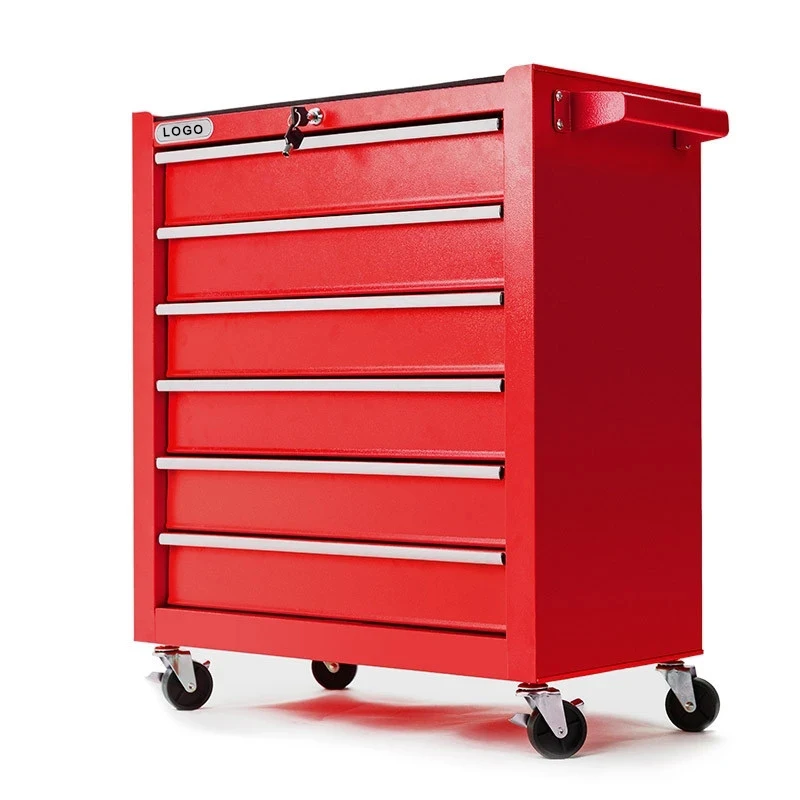
Why Choose a Cold Rolled Steel Drawer Cabinet for Shops?
A shop cabinet has a simple job: give tools a consistent place without making people work around the storage. For a brand sourcing a steel drawer cabinet, the useful question is not just whether it looks substantial. It is whether the sheet, drawer layout, slides and assembled structure fit the tools and working conditions of the intended shop.
Cold rolled steel is one material option worth considering for sheet-metal storage. It can offer a smooth, uniform surface and controlled sheet dimensions, but those qualities do not establish a cabinet's load rating or service life. Those depend on the finished design and the evidence supplied for that configuration.
What cold rolled steel brings to a cabinet design
Cold rolling processes steel after hot rolling, generally at or near room temperature. The resulting sheet can have a smoother surface and tighter dimensional tolerances than hot rolled sheet. In a steel drawer cabinet, that gives the fabricator a starting material for formed panels and drawer components; the actual fit still depends on cutting, bending, joining and assembly.
Ask which parts use cold rolled steel, rather than assuming the description covers every component. Drawer fronts, bodies, rails and the outer shell may have different material or construction requirements. Request the approved material specification and drawings for the proposed model. A material name alone cannot tell you the thickness, grade, coating or load capacity of the finished cabinet.
Make access as important as capacity
Start with the work sequence. List tools that are picked up repeatedly, items that need separation, and larger equipment that is used less often. Then consider how often users will reach into each drawer, how much clearance an open drawer needs and where the cabinet will sit relative to the bench.
A steel drawer cabinet with shallow compartments may make small tools easier to see, while deeper compartments may accommodate larger items. Neither arrangement is automatically right for every shop. Check usable internal space, not just the outside footprint, and leave room for handles, slides and any dividers specified for the design.
Think about return as well as retrieval. If shared tools do not have an obvious place, a roomy drawer can still become a mixed pile. Labels or removable organization inserts may help where the supplier confirms they fit. If several people use the same station, decide which items need shared access and which should be secured separately.
How to evaluate high load capacity claims
High load capacity is a useful purchasing criterion only when the rating and its conditions are clear. Ask for the allowable load for each drawer and the overall cabinet, and whether the stated limit assumes an evenly distributed load. A single heavy item concentrated in one area may create a different loading condition from tools spread across the drawer.
Review the complete load path: drawer base, slide attachment, slide, cabinet side and supporting floor or base. If the cabinet is mobile, include the wheels and their mounting in the discussion. An individual component rating should not be treated as the rating of the assembled steel drawer cabinet.
Request the supplier's test method, configuration and documentation for any published rating. Check whether it applies to a stationary or mobile unit and whether the drawer was extended during the assessment. Without that information, compare designs on documented scope rather than an attractive headline number.
Look closely at joints, fit and finish
Precision welding is a point to discuss where welded joints are part of the design. Ask the supplier to identify the joints, show the relevant drawing and explain how fit and weld quality are checked. A neat-looking weld can be useful to inspect, but appearance by itself does not verify strength or consistency.
For a steel drawer cabinet, review how the frame stays aligned and how drawer gaps are checked after assembly. Ask to inspect a representative sample: open and close each drawer, observe whether it runs freely, and check edges and handles for the intended use. Any load or endurance evaluation should follow an agreed method rather than an improvised overload test.
Finish matters too. The shop environment may expose surfaces to abrasion, moisture or cleaning products. Identify the likely exposure, request the coating specification and ask what maintenance is appropriate. Cold rolled steel should not be described as inherently rustproof; corrosion resistance depends on the material, protection and actual conditions.
Plan for stability and daily use
Opening a loaded drawer moves weight outward. Before specifying a steel drawer cabinet, ask how the proposed configuration addresses stability, including any anchoring instructions, drawer-opening restrictions or interlock options. Whether an interlock is available must be confirmed for the specific model.
Place heavier items where the supplier's instructions allow, check that the supporting surface is suitable, and follow the installation guidance. Do not assume a cabinet remains stable with several loaded drawers open. If the cabinet will move, ask how it should be loaded, secured and positioned during use.
Security is another separate decision. Determine which drawers need a lock and who needs access. Confirm the lock arrangement and any replacement or key-management requirements before approving a configuration; a lock should not be treated as a substitute for the shop's access procedures.
Turn the selection into an OEM brief
For a brand commissioning a steel drawer cabinet, a clear brief makes quotations easier to compare. Describe the intended shop, target tool groups, available space and whether the unit stays in place or moves. Provide the desired drawer arrangement and the expected load cases, while asking the supplier to confirm achievable ratings for the final design.
Include requirements for material identification, surface treatment, handles, locks, labels, packaging and any branding. Separate mandatory features from options, and ask which components or documents are included in the quotation. Where details are not yet settled, mark them as open questions rather than allowing assumptions to become specifications.
Haiyang Libenli's profile describes sheet-metal processing and customized metal solutions for a metal-storage audience. For a proposed project, discuss the drawings, material and sample review directly; the profile is not a substitute for model-specific test records or a confirmed manufacturing scope.
A practical decision checklist
- Identify which components are cold rolled steel and obtain the applicable material description.
- Compare drawer layout and usable space with actual tool groups and the shop's access pattern.
- Confirm drawer and cabinet load ratings, distribution assumptions and supporting test documentation.
- Review joints, slide mounting, finish and assembly fit against agreed drawings and samples.
- Ask for stability and installation instructions for the intended loading and location.
- Record open questions and approve the final configuration before relying on product claims.
A cold rolled steel drawer cabinet can be a sensible starting point when sheet finish and organized tool access matter. The decision becomes more dependable when the cabinet's construction, load evidence and daily workflow are reviewed together.
 Hot News
