 EN

How a Rolling Tool Chest Boosts Technician Workflow?
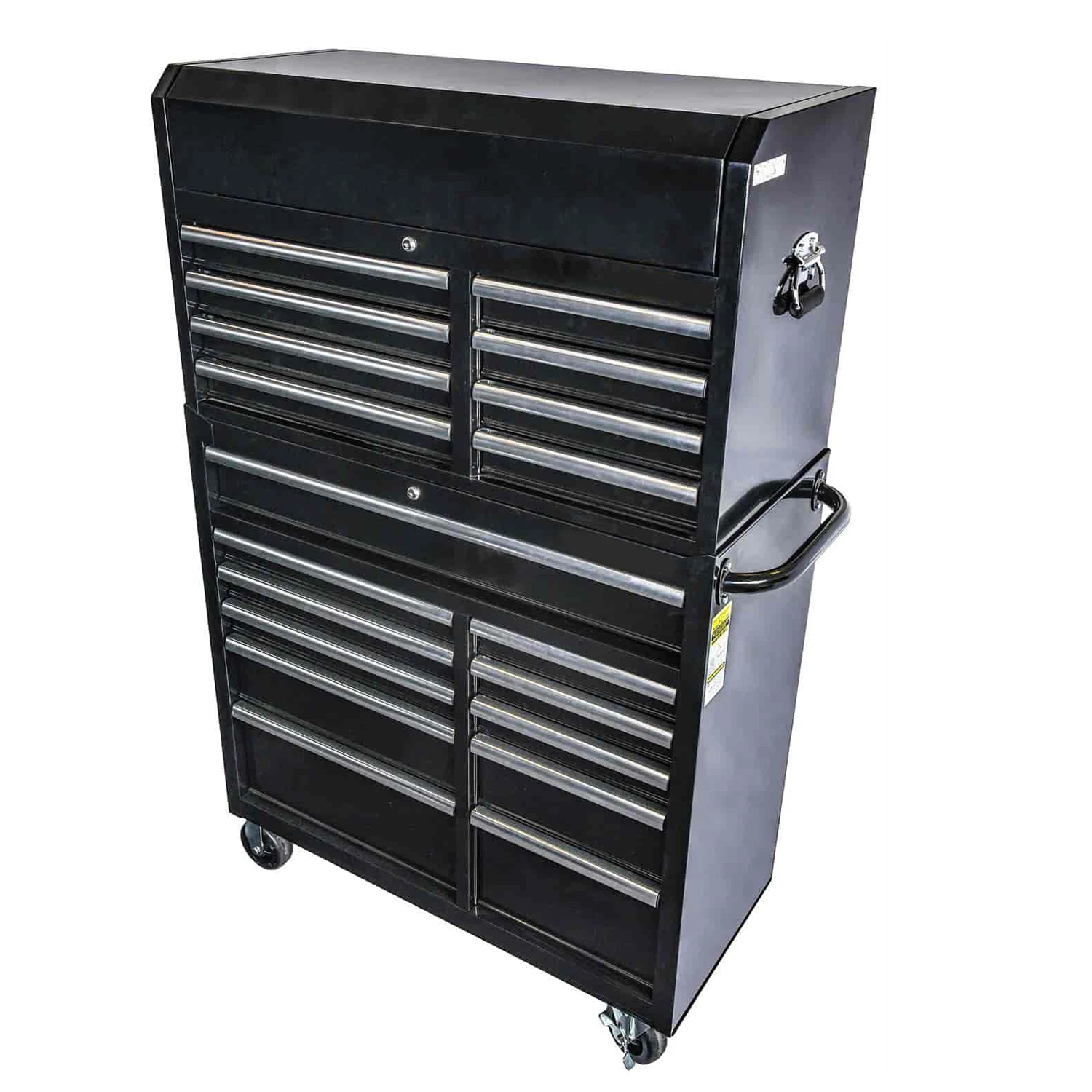
A technician may know which tool is needed and still have to stop to find it. A rolling tool chest can bring frequently used items closer to the work area and give each one a consistent place to return. The benefit depends on the layout, the route across the shop, and the habits of the people using it, not on wheels alone.
For a tool storage brand, the same question is useful when planning an OEM range: how will the chest support an actual sequence of work? Start with the tools and the job, then define drawer space, movement and the details that need supplier confirmation.
Start with the technician's work sequence
List the tools used during a typical task, including measuring tools, sockets, drivers and items needed for cleanup. Notice where each is picked up, used and returned. If the technician repeatedly crosses the shop to retrieve the same items, a rolling tool chest parked near the task may reduce unnecessary trips. If the work happens at one station, a fixed cabinet may be the simpler choice.
Map the path before choosing a position. The unit needs space to move through the intended route and space to open its drawers when parked. Check doorways, floor transitions, nearby equipment and shared walking routes. A chest that has nowhere convenient to park can add a new obstruction instead of making the work area easier to use.
Give frequently used tools a clear home
Mobile tool organization starts with an inventory, not a drawer count. Group tools by the tasks that bring them together, then separate daily-use items from tools needed only occasionally. Place frequently reached items where the intended user can access them comfortably. Keep heavier items low when the manufacturer’s instructions and the actual unit permit it, and avoid loading any drawer beyond its stated limit.
A rolling tool chest can support the routine when each drawer has a recognizable purpose. For example, hand tools for routine adjustments might occupy one area, while measuring instruments sit separately where they are protected from loose metal parts. Labels or suitable organizers can make the return location visible, but their fit and compatibility should be checked against the drawer interior.
Leave space for a tool to go back without rearranging the whole drawer. At the end of a task, compare the contents with the assigned locations and return what is still on the work surface. This simple take-out-and-return pattern can help a shared chest remain useful after the first setup.
Plan the route and the parking point
Mobility matters when tools need to accompany a technician between defined work areas. A rolling tool chest may be useful beside a service bay, then moved back to a storage area once the task is finished. Treat that as a planning example, not a claim about a particular customer or a measured productivity result.
Before adopting the route, check the floor, changes in level and the room needed to turn. Follow the equipment maker's instructions for moving and securing the unit, including any guidance on drawer closure and wheel locks. Avoid assuming that every model has the same caster arrangement or braking function. When parked, keep access routes and emergency equipment clear.
There are limits to mobility. A rolling tool chest is less useful if the route is narrow, the floor is unsuitable, or the unit would block another person's task. In those cases, a stationary storage area with a smaller, suitable carry solution may fit the work more closely.
Choose drawer access for the tools inside
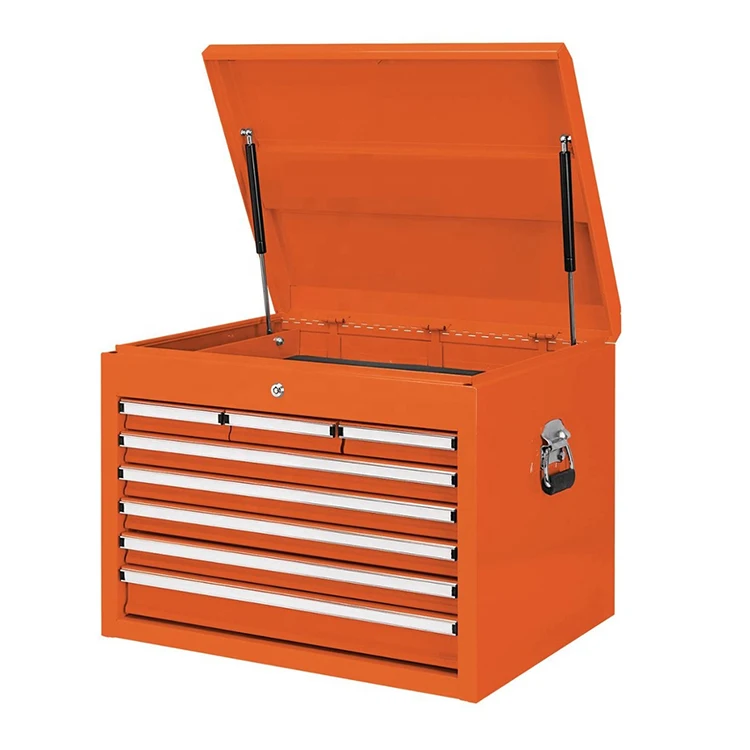
Open and close each planned drawer with its intended contents in mind. Can the technician see the items without shifting a second layer? Can a long tool be removed without catching the drawer above it? The layout depends on the actual tool mix, not just the outside appearance of the rolling tool chest.
Ball bearing slides are one possible drawer mechanism. The relevant questions are how far a particular drawer opens, how it operates with the intended load, and what the supplier specifies for the slide and its installation. A slide's load rating depends on the complete system and its mounting; the presence of ball bearings alone does not establish a capacity or service life.
For a brand reviewing a sample, check drawer travel, access to items at the back, closing behavior and any stated loading conditions. Ask the supplier for the applicable rating and mounting details for the proposed configuration. Do not transfer figures from a different model or treat an image as a specification.
Make shared use easier to maintain
When several people use a rolling tool chest, agree on drawer groups and return locations before adding labels. Separate shared tools from individual items according to the workplace's own rules. A quick visual check at handover can show which locations are empty and which tools need attention, without presenting the routine as a substitute for the shop's safety procedures.
Revisit the layout after the actual tool set or work sequence changes. A drawer that seemed logical during planning may turn out to require awkward reaches, or related items may be stored too far apart. Move those groups only after checking fit, load limits and access. Consistency matters more than filling every available space.
Turn workflow needs into an OEM brief
A rolling tool chest for a brand's range should be defined through confirmable requirements. Describe the intended user, common task, tool groups and movement route. Share the available parking area and the expected access pattern. Then ask the supplier which details require drawings, a sample or further discussion.
- Drawer layout: identify tool groups, interior fit, opening access and proposed organizers.
- Movement: describe the route and floor conditions; request the proposed caster and locking details.
- Loading: provide the intended contents and ask for the applicable drawer, slide and unit ratings.
- Appearance and delivery: document finish, branding and packaging expectations for review.
- Verification: agree on the documents and sample checks needed before accepting claims about a configuration.
Haiyang Libenli Metal & Technology describes its business in terms of sheet-metal processing, metal furniture and customized solutions. Brands can use that context to begin a requirements discussion; the exact construction, fittings and available options for any proposed chest still need confirmation.
A practical next step
Evaluate a rolling tool chest by following one real work sequence from the first tool retrieval to the final return. If the route is workable, the tools have visible homes and the drawer configuration suits the load, the chest can support a more orderly routine. Record the questions that remain open and use them to guide the sample and specification review.
 Hot News
