 EN

Product Guide to Our Multi Tier Steel Drawer Cabinet
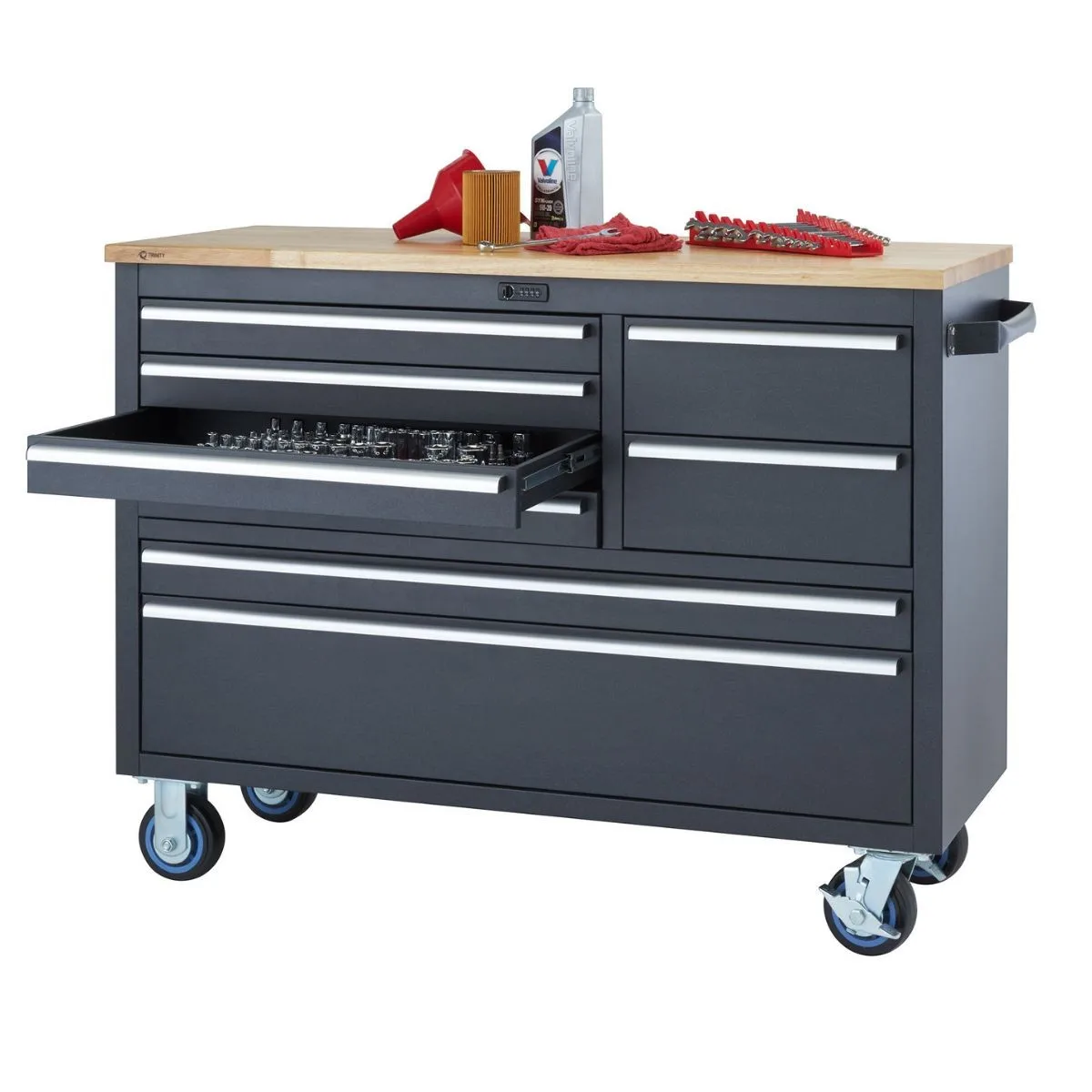
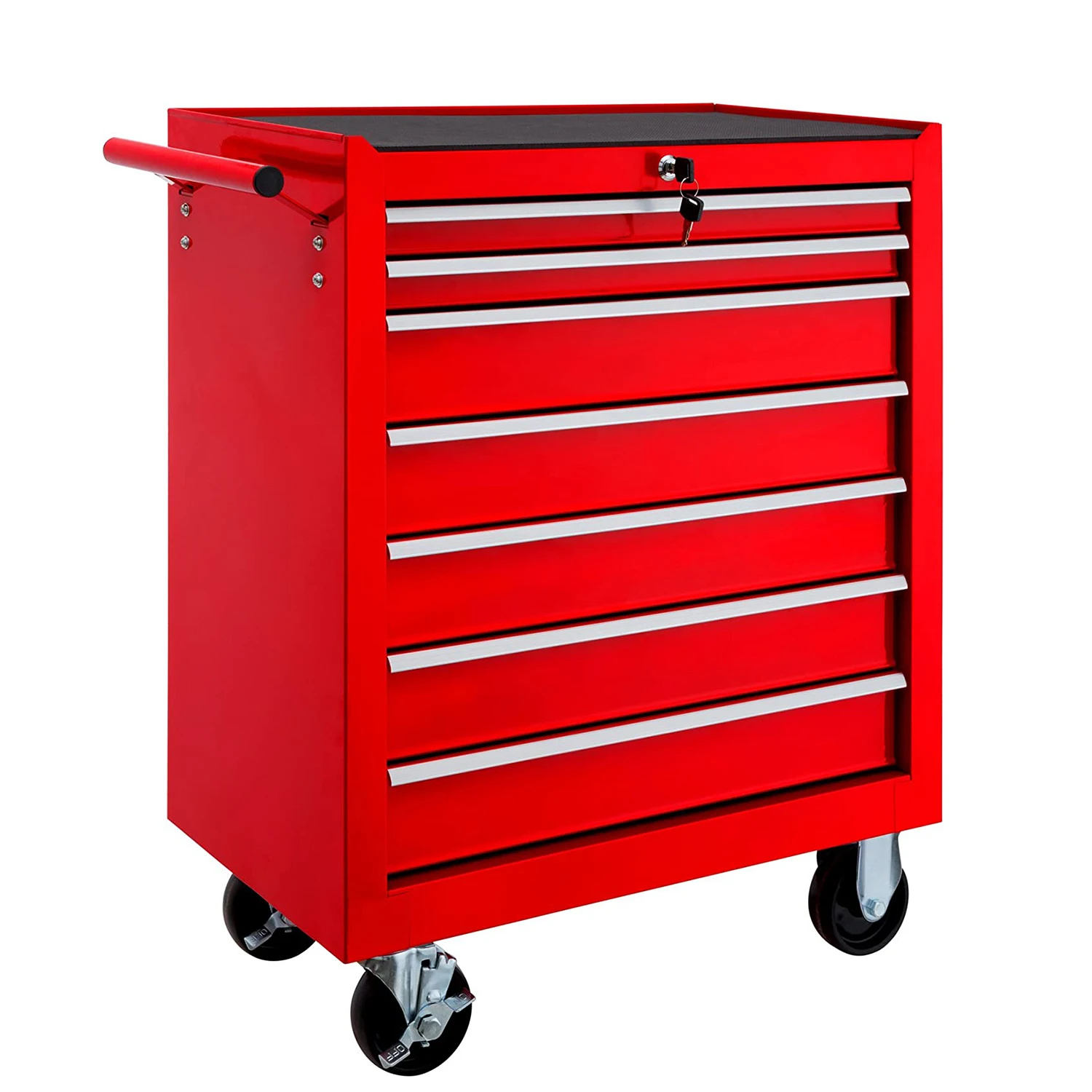
A multi-tier steel drawer cabinet can be discussed as a way to organize tools and small parts across separate levels. For a storage brand planning an OEM range, however, the useful question is not simply how many drawers fit into a cabinet. It is whether the proposed layout suits the items, the working area, and the evidence available for the final configuration. This guide outlines what to review; it is not a specification sheet or a claim that a particular model is currently available.
Start with the work and the contents
Before requesting a steel drawer cabinet, list the tools and parts it needs to hold. Separate frequently used items from occasional supplies, and note the shapes that affect how each group can be placed. A long hand tool, a box of fasteners, and a measuring instrument can all require different space and protection. Ask users where they pick up each group and where it returns after a task.
Turn that inventory into a draft drawer plan. Consider whether shallow or deeper compartments are appropriate for each group, and leave room for handling the contents. The right arrangement depends on the intended use, not on drawer count alone. A plan for a shared maintenance area may differ from one for an individual workbench.
Review drawer layout and access
For a multi-tier steel drawer cabinet, a drawing should show the layout clearly enough to compare usable space with the inventory. Request the external dimensions, internal drawer dimensions, number of levels, and opening clearance for the configuration being considered. Check how far each drawer opens and whether stored items remain accessible at the back. Do not assume the advertised footprint includes the space needed in front of an open drawer.
Think about the position of the cabinet as well as the position of its drawers. A lower drawer may suit items that do not need frequent handling; an accessible working-height drawer may suit daily tools. These are planning examples, not universal loading instructions. Review actual reach, item weight, and the installation instructions for the proposed unit before making a decision.
Check construction and documented limits
The phrase steel drawer cabinet describes a broad category, not a single construction method. Ask for the material description, cabinet assembly details, drawer and slide construction, and any available drawings for the exact proposed configuration. A photo can show the overall form, but it cannot establish material thickness, load rating, or how a slide is attached.
Request documented drawer and cabinet load limits, the conditions under which those limits apply, and guidance on distributing stored items. If a supplier offers test results, review the method and the configuration tested rather than transferring the result to a different layout. Check the fit of handles, stops, and any locking arrangement in a sample or approved drawing. Treat each feature as an item to confirm, not an assumed inclusion.
Discuss finish requirements without assuming availability
Surface finish affects the appearance and maintenance discussion for a steel drawer cabinet. Electrostatic powder coating is one process to discuss: powder particles receive an electrical charge and are attracted to a grounded part, after which the coating undergoes a finishing process. Its suitability depends on the material, preparation, coating system, and intended environment.
When requesting a finish, describe where the cabinet will be used, the desired appearance, and any handling or cleaning conditions. Ask which surfaces are covered, how edges and internal areas are addressed, and what sample or documentation can be provided. Do not assume that electrostatic powder coating, a particular color, or a corrosion rating is included. These details require confirmation for the actual order.
Use drawer labels to support a clear layout
Drawer labels connect the plan on paper to the way people use a cabinet. Name each drawer by its contents or task, using terms that the intended users recognize. For a shared steel drawer cabinet, agree on whether labels will identify broad groups, individual items, or both. A consistent naming scheme also makes it easier to discuss replacement or revised labels later.
Decide where labels should sit and how they will be attached. A label that is obscured by a handle or blocked by an open neighboring drawer may be awkward to read. Ask whether holders or other labeling arrangements are available for the proposed cabinet; do not treat them as standard until confirmed. Review the wording and placement on a sample when possible.
Plan the space and safe use
Measure the intended location and the route used to bring the steel drawer cabinet into that area. Include adjacent equipment, working space in front of the drawers, and access for people who will use it. If the floor or wall affects installation, share those details during the specification discussion.
Ask the supplier for installation and stability instructions for the exact unit, including whether anchoring is required or recommended. Follow the applicable instructions for loading and opening drawers, and do not infer anti-tip performance from appearance. If mobility or a locking mechanism is important, request a clear description and confirm whether it is part of the quoted configuration.
Prepare an OEM inquiry that can be reviewed
Haiyang Libenli Metal & Technology describes sheet-metal processing and customized solutions in its company profile. For a brand sourcing a steel drawer cabinet, that context is a starting point for a requirements conversation, not proof of a specific cabinet design or feature. Share a concise brief so the proposed scope can be checked against drawings and samples.
- Intended users, setting, tool groups, and approximate available space.
- Required cabinet and drawer dimensions, layout, and access needs.
- Expected loads and the evidence needed to evaluate them.
- Finish appearance, labeling, branding, and packaging requirements.
- Requested documentation, sample review points, and any open questions.
Separate mandatory requirements from preferences and ask which points remain subject to confirmation. This makes competing proposals easier to compare without assuming that each steel drawer cabinet includes the same components. Before placing an order or publishing product details, verify the final configuration, supporting documents, and any relevant local requirements with the supplier.

 Hot News
