 EN

Core Features of an Industrial Metal Drawer Cabinet
A drawer cabinet can look straightforward on a specification sheet: a metal body, several drawers and a lock. For a brand sourcing workshop storage, the useful questions begin underneath that list. What will people store, how will they reach it, and which details can the supplier verify before production? A practical brief connects the cabinet structure, drawer hardware and installation conditions to the work it must support.
Start with the load and the way tools move
Before choosing a drawer cabinet layout, group the intended contents by size, weight and frequency of use. Shallow drawers can suit small hand tools and parts; deeper drawers may accommodate bulkier items. The right mix depends on the actual tool set, not just the number of compartments in a catalog.
Ask for both the permissible load of each drawer and the total cabinet load, together with the conditions under which those figures apply. A drawer cabinet may have different limits for individual slides, the drawer assembly and the body. Verify whether the supplier's stated load assumes an evenly distributed load and full extension. Place frequently used items where users can reach them comfortably, and discuss the position of heavier contents with the supplier as part of the stability review.
Examine the metal body and formed parts
The body of a drawer cabinet supports the drawers and maintains their alignment. Request drawings identifying the material, sheet thickness, joints, reinforcement and relevant tolerances rather than relying on a general description such as heavy duty. Inspect how the side panels, base and top connect, and ask how the design keeps the drawer openings consistent after assembly.
For formed components, CNC bending is a process to discuss rather than a performance claim by itself. Bend radius, material properties and available tooling affect the achievable shape. A drawing review should identify the bend locations, clearances and critical dimensions that influence assembly. Confirm the actual process and inspection method with the proposed supplier; a neat drawing alone does not establish how a particular cabinet was made.
Check drawer slides and usable access
Slides affect how far a drawer cabinet opens and how the contents can be reached. Compare the specified extension with the usable interior depth: a drawer that opens only partway can leave tools at the back less accessible. Check the slide rating and mounting method for the intended load, and ask whether the drawer can be removed for service.
When reviewing a sample, open and close each drawer with the representative load defined in the brief. Look for consistent travel, engagement when closed and clearance between neighboring fronts. Agree on the inspection conditions and acceptance criteria with the supplier before treating a sample as a production reference. A smooth empty drawer does not, on its own, establish performance under load.
Review stability and the interlock
An anti tilt interlock is a mechanism that can restrict other drawers from opening while one is already open. Its exact operation varies with the design, so ask which drawers are linked, how the mechanism resets and whether it works with the selected slides. Check its function on the intended configuration, not just on a separate demonstration.
For a drawer cabinet, an interlock is only one part of stability planning. Opening a loaded drawer shifts weight outward, and the installation surface, loading pattern and anchoring arrangements matter. Obtain the supplier's installation instructions and any applicable stability test information. Confirm anchoring requirements for the actual workplace; an interlock does not replace proper installation or make tipping impossible.
Choose a lock and layout for the job
Access control is different from stability. A central lock may secure several drawers, while individual locks can allow different access arrangements. Confirm which drawers a lock covers, how keys are managed, and whether the locking system works alongside the interlock. Specify the desired arrangement in the drawing and purchase documents rather than assuming all cabinets use the same mechanism.
Inside the drawer cabinet, dividers, trays or liners can help organize a defined tool set. Ask whether these are included, adjustable or supplied separately. Measure the clear internal space after accounting for slide hardware and any insert; outside dimensions alone do not show how much usable space remains. For an illustrative maintenance station, shallow sections for frequently used hand tools and a deeper section for larger items may be a useful starting point, subject to a real inventory check.
Match finish and placement to the workplace
A metal finish should be selected for the expected environment and cleaning routine. Ask the supplier to identify the coating system, preparation and inspection criteria, and discuss exposure to moisture, contact damage or cleaning agents. Do not assume that an unspecified finish is suitable for every location. Review visible edges, drawer fronts and contact areas on an agreed sample.
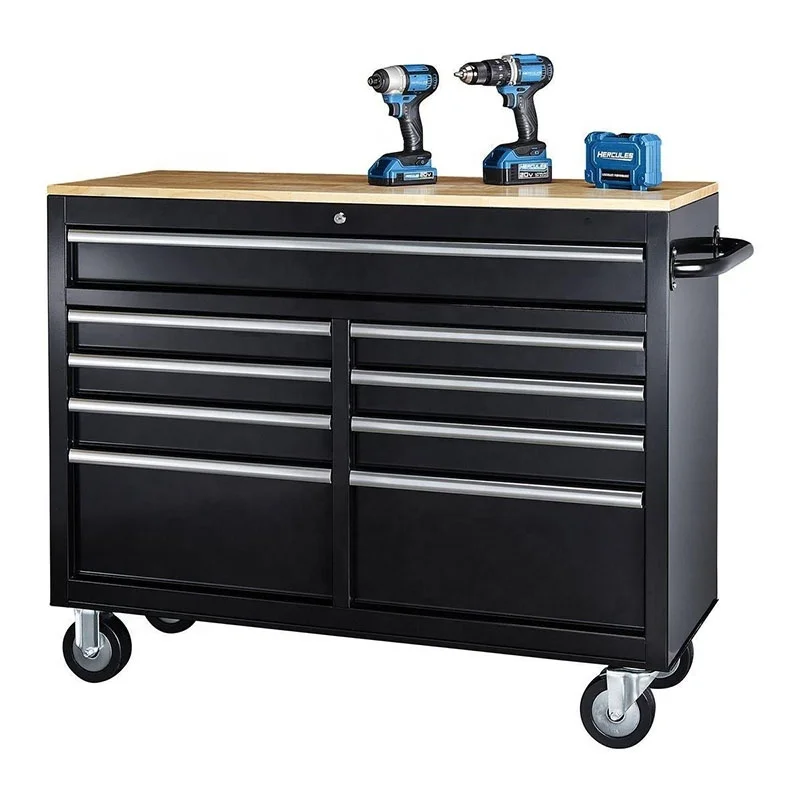
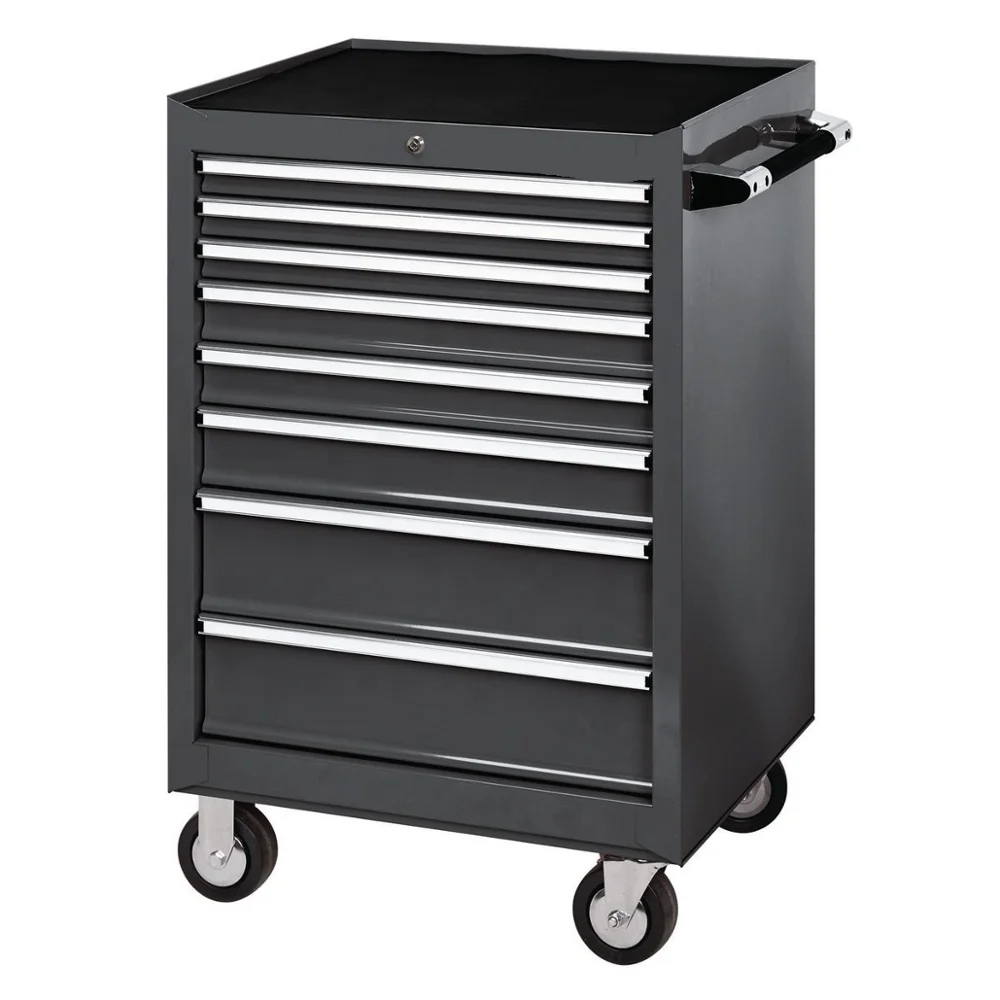
Measure the space around the drawer cabinet with drawers open as well as closed. Allow for access routes and any mounting or leveling instructions. If a mobile version is being considered, request the caster specifications and the supplier's guidance for moving a loaded unit. Mobility changes the review: a cabinet intended to remain in one place should not be treated as a cart without confirmation.
Turn the features into an OEM specification
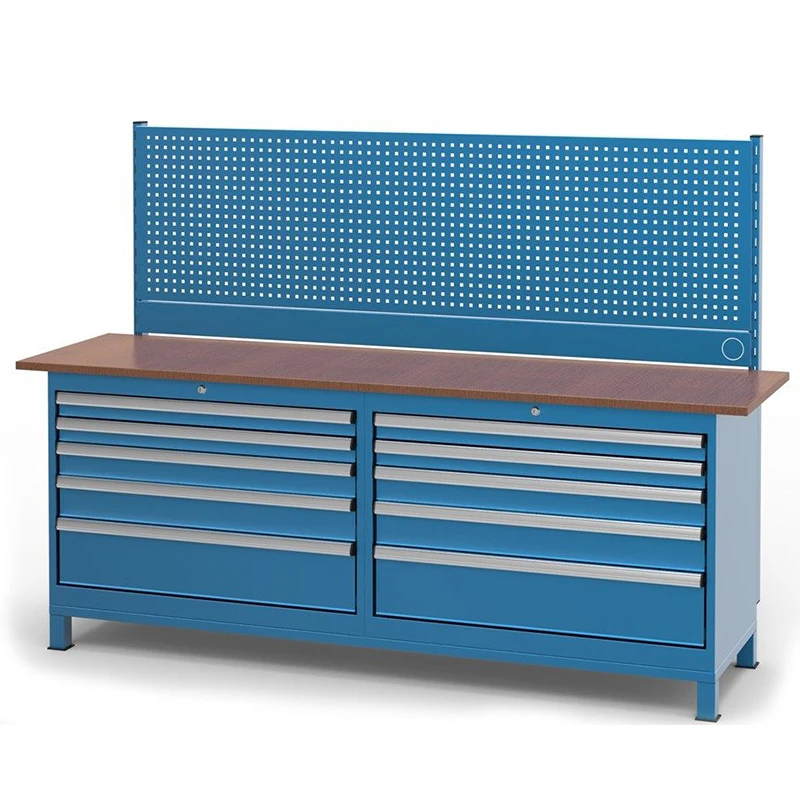
A comparable request for quotation should describe the drawer cabinet as a complete configuration. Include the outer envelope, drawer count and internal layout, intended contents, load conditions, slide extension, lock arrangement, interlock requirements, finish and packaging. Mark the details that are essential and those open to a supplier proposal. Ask for drawings and a sample review plan, including which dimensions and functions will be checked.
Haiyang Libenli's merchant profile describes sheet-metal processing and metal furniture as areas of activity. For a project discussion, share the intended drawer cabinet application and ask the supplier to confirm the specific construction, manufacturing process and available options. The most useful next step is a documented feature-by-feature review: it gives both the brand and the supplier a clear basis for comparing a proposal without assuming unverified capacities or features.
 Hot News
