 EN

Why Assembly Technicians Prefer a Steel Tool Workbench?
On an assembly line, the workstation has to accommodate more than a finished product. A technician may place a fixture, reach for a driver, sort small parts, and check the next unit without leaving the same spot. A steel tool workbench can support that sequence by combining a stable base with a layout planned around the actual task. That does not mean every steel bench is suitable for every job: the frame, worktop, storage, and site requirements all deserve review.
From a workshop organization perspective, the useful question is not simply whether a tool workbench is made of steel. It is whether the whole station makes the next action clear and gives the operator room to work. Here are the decisions that can make the difference.
A stable station starts with the complete assembly
A steel frame gives a tool workbench a practical structural starting point for repetitive assembly. Steel construction can be a fit where fixtures, hand tools, or batches of parts need a fixed location. But the material name alone does not establish how much the bench can carry or how much movement it will allow. Frame design, joints, bracing, feet, and worktop attachment all affect the result.
Before selecting a tool workbench, list the heaviest fixture, the usual parts on the surface, and any force applied during the operation. Ask the supplier for the relevant load rating and how it is distributed. If the work involves clamping or repeated pushing, discuss those forces separately instead of treating a static weight figure as the answer to every question.
Floor conditions matter too. An uneven floor can make a station rock even if the frame itself is sound. Check whether leveling feet or an approved anchoring method are appropriate for the site, and keep access routes clear. A trial with the intended fixture is more informative than judging the bench by appearance alone.
Keep frequent tools close without crowding the work
A well-planned tool workbench separates the active assembly area from the places where tools and parts wait. For example, put the frequently used driver and its bits where the operator can reach them without a long stretch; less frequently used gauges can sit at a greater distance. Keep the part entering the station and the finished unit leaving it on distinct sides when the process allows.
The height of the work, not just the top surface, affects posture. A tall fixture changes where hands operate, while a small component may need a different arrangement. Review the task with the people who will use the tool workbench, including both seated and standing positions if the station must support both. Adjustability can help, but the available height range and adjustment method should be confirmed on the proposed configuration.
Do a dry run with the normal tool set. Can a technician reach the fastener tray without leaning across the workpiece? Does a mounted accessory obscure the task? Leave enough open surface to set down an item safely. The layout can then be revised before a full order rather than after the stations are installed.
Integrated drawers put storage beside the task
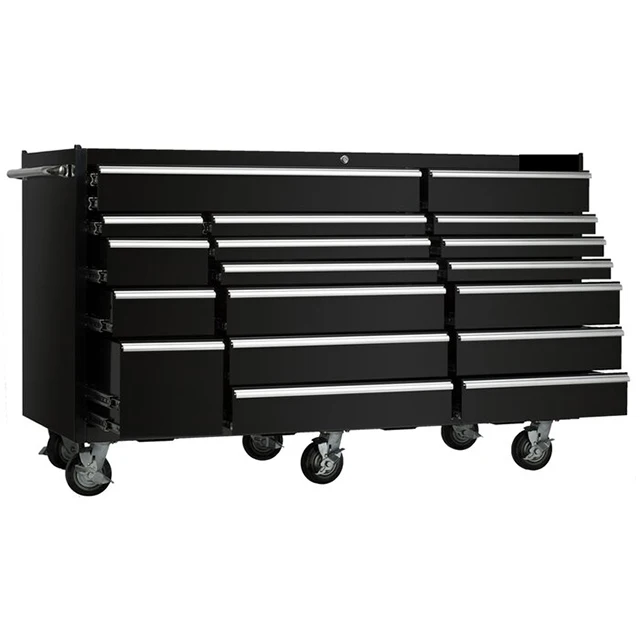
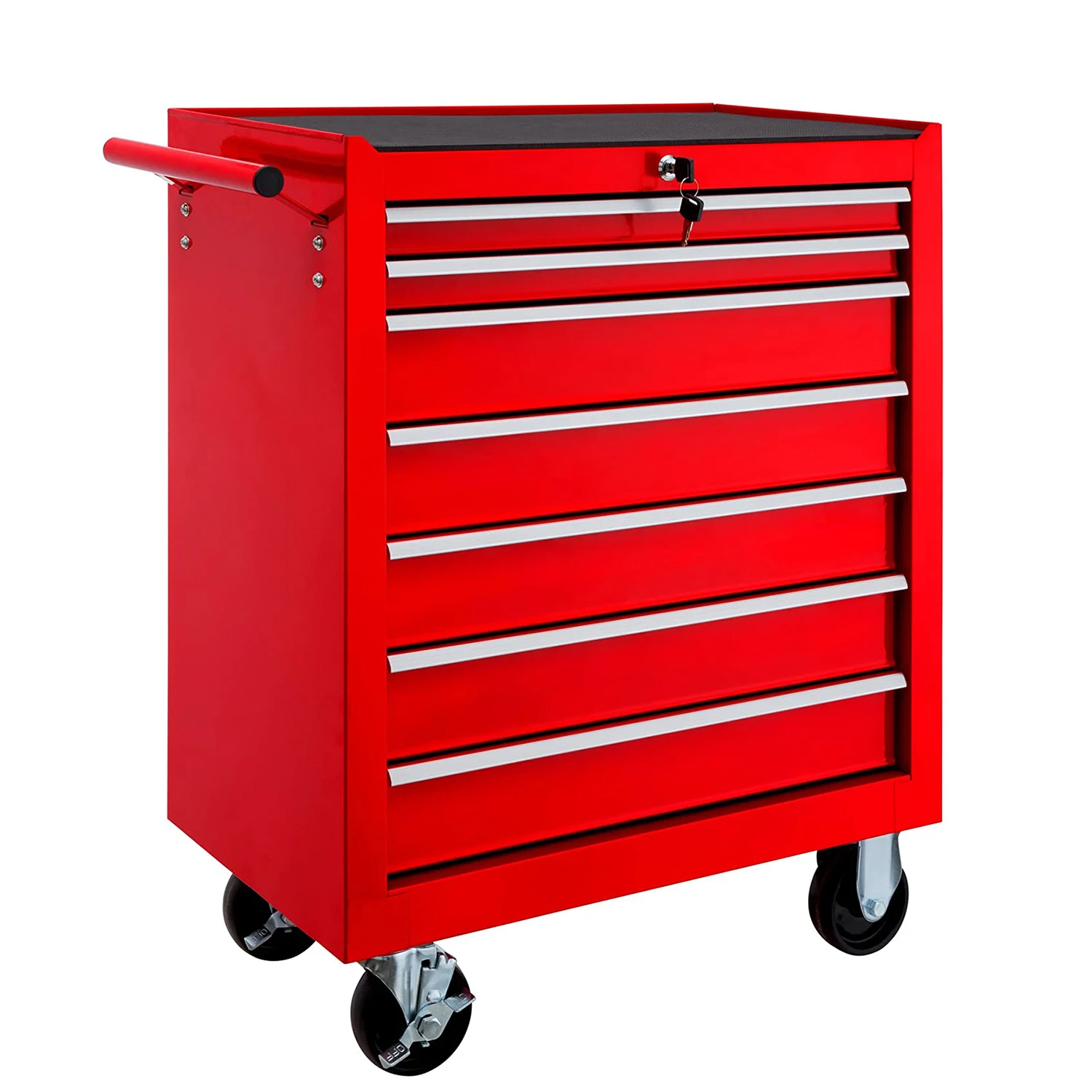
A tool workbench with integrated drawers can keep small hand tools, gauges, and replacement bits close to the work area while leaving the top available for assembly. The advantage depends on the contents and the way drawers open. A drawer count by itself says little about whether tools can be found or returned quickly.
Start by grouping tools by task and frequency. Shallow storage may suit small items; taller items need a different internal clearance. Check usable internal dimensions, slide travel, drawer load ratings, and whether partitions are included or can be added. Ask how the drawers are mounted to the tool workbench and whether individual units can be serviced or replaced.
Allow space in front for a drawer to open without blocking an aisle or another operator. If a person sits at the station, check knee and leg clearance with the drawers in place. A separate cabinet may be a better fit if under-bench storage would interfere with posture or if the tool set needs to move between stations.
Consider an ESD mat option for sensitive electronics
When electronics are handled, an ESD mat option may be relevant to the tool workbench. A suitable dissipative mat can provide a grounded work surface as part of an established static-control arrangement. It is not enough to assume that a steel frame, a mat, or a cable alone makes the station suitable for sensitive components.
Ask the site’s ESD specialist to define the required mat properties, grounding arrangement, inspection method, and operator controls for the actual process. Wrist straps, footwear, flooring, packaging, and other controls may be necessary under the site's program. Confirm compatibility with the worktop, cleaning method, and fixtures; follow the mat supplier's instructions and the site's approved procedures.
The distinction is useful during sourcing: specify the ESD mat option as a configuration requirement, not as a claim that every tool workbench is already ESD compliant. Request the applicable documentation and have a qualified person verify the installed station before it is used for sensitive work.
Choose the top and storage for the actual process
The frame is only one part of a tool workbench. A bare metal surface may suit some tasks, while other work calls for a protective top or a replaceable covering. Consider the risk of scratching components, the need to remove debris, and compatibility with the substances used at the station. Ask for material and finish details rather than assuming all coatings respond alike.
Fixtures and accessories also need a plan. Before adding a vise, parts bins, lighting, or a tool holder, check the attachment method and the clear area around the work. The supplier should confirm which mounting points are available and what loads they are designed to carry. Electrical accessories, where needed, should be selected and installed under local site requirements; an accessory rail is not a substitute for that review.
If the tool workbench will be moved, compare a fixed station with a mobile arrangement. Wheels change the way loads and working forces are handled, so ask about the rating of the complete mobile configuration and the locking method. Mobility is useful only when it does not compromise the task or obstruct the route.
Turn technician feedback into a purchase brief
For a buyer specifying a tool workbench across several assembly stations, a concise brief makes supplier responses easier to compare. Record the task, fixture footprint, working height, expected loads, floor conditions, storage needs, and any ESD controls. Separate required items from optional features so that quotations describe the same scope.
Share a sketch showing the operator's position, incoming parts, finished units, and drawer opening space. Include the intended finish and any cleaning conditions that matter. Request drawings, available load information, and the details needed to review a sample. A sheet-metal fabrication discussion can then focus on the actual configuration rather than assumptions about a product name.
Steel can be a sensible choice when the complete station fits the work. Evaluate each tool workbench with the technicians, test access and clearance, and confirm the supplier's documented specifications before purchase. The result is a decision based on the assembly process rather than a blanket preference for one material.

 Hot News
