 EN

Why Engineers Prefer a Portable Tool Chest on Wheels?
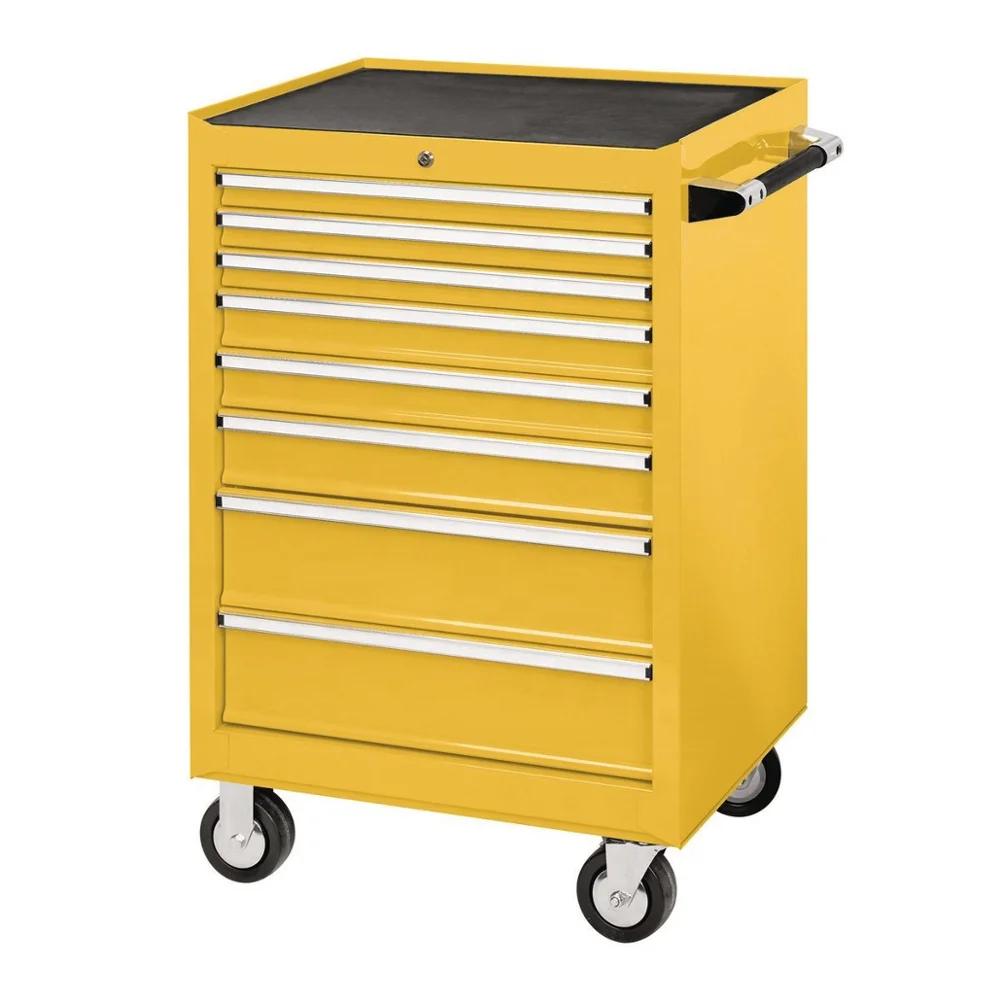
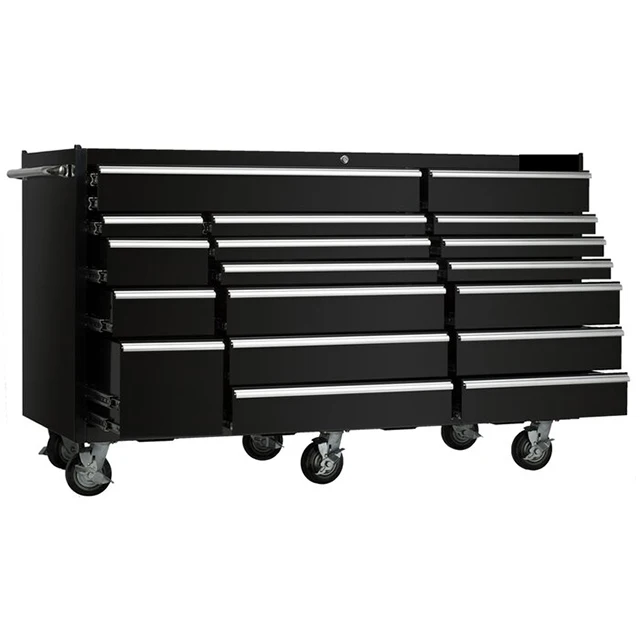
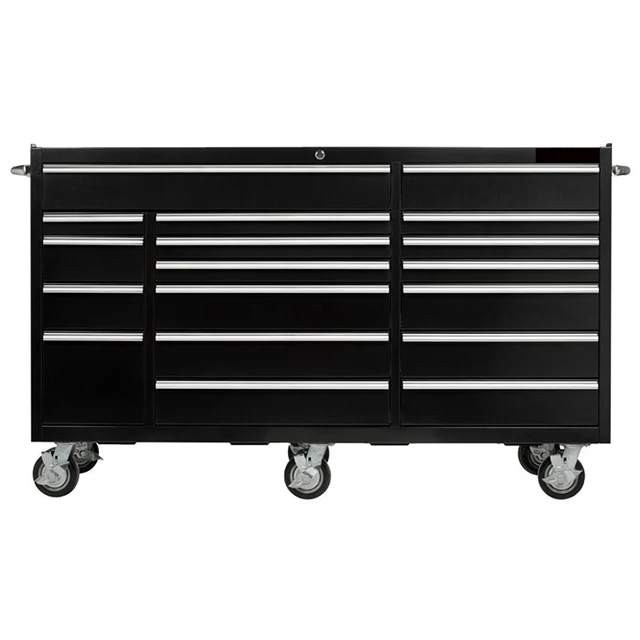
When a repair moves from one machine to another, the work does not stop at the machine boundary. Someone has to bring the sockets, meters, fasteners, and hand tools along too. A portable tool chest on wheels can keep that working set together and bring it closer to the next task. The appeal is practical, not universal: its value depends on the route, the tools, and the space available at each stop.
For a workshop user, the important question is not simply how much a chest holds. It is whether the right tool can be reached, used, returned, and moved without making the next operation awkward. Start with that sequence before choosing a drawer layout or a wheeled base.
Why mobility changes the working routine
An engineer working across several stations may otherwise carry loose tools in a tray or make repeated trips to a fixed cabinet. A portable tool chest on wheels offers a different arrangement: the frequently used set travels together, while less common equipment stays at a central store. At the job, drawers can give each item a recognizable place, making it easier to notice what has not yet been returned.
Consider an illustrative maintenance round through a plant, not a reported customer case. The technician starts with a small set of hand tools, moves to a second machine, and then returns to a bench. A chest positioned beside each work area can serve as a temporary tool station. That works only if the aisles, doorways, and parking locations have been checked; a crowded route may make a smaller carry case more appropriate.
For field service mobility, distinguish movement within a site from transport between sites. Wheels help on a suitable floor, but they do not by themselves solve vehicle loading, stairs, or lifting. Check the packed weight and the loading method with the people who will handle the chest. Confirm vehicle-transport approval and the relevant instructions and restraints before loading a wheeled chest.
What a compact frame can and cannot do
A compact frame can be useful where a service corridor, workstation, or vehicle storage area has limited room. Measure the full operating envelope, not just the outside width: allow for the handle, turning space, and drawers when open. A chest that fits through a doorway may still block a walkway when parked beside a machine.
Compactness also introduces tradeoffs. A shorter footprint can limit the size of long tools or the amount carried on a single trip. A taller arrangement may increase storage without expanding the base, but height and load placement affect stability. Put the heavier items low where the design and manufacturer instructions allow, and avoid treating the top as an unrestricted work surface.
Before specifying a portable tool chest on wheels, list the largest items and the tools used most often. Compare their actual dimensions with usable drawer dimensions, not only the advertised exterior. A little unused space may be preferable to drawers packed so tightly that tools have to be removed in the wrong order.
Choose wheels for the route, not the photograph
The floor can matter as much as the chest. Walk the intended route and note thresholds, floor joints, ramps, corners, and areas where a person must stop or turn. The Canadian Centre for Occupational Health and Safety identifies aisle width, floor condition, and cart stability as factors in moving handcarts. It also notes that larger wheels generally require less force, but the right wheel still depends on the load and surface.
OSHA cautions that moving carts over rough ground can expose a worker to abrupt impacts. Ask the supplier what wheel material and diameter are suitable for the intended surface and load, and review any limits on inclines. A smooth factory floor, outdoor pavement, and a van floor are different environments; one caster choice should not be assumed to suit them all.
Check how the chest is steered and parked. If brakes or locks are offered, understand which wheels they act on and how the user engages them. Secure drawers before moving, keep the route clear, and follow site handling procedures. A brake is a parking feature, not a substitute for controlling a load on a slope.
Organize drawers around the job
Group tools by the sequence in which they are used. For example, inspection tools might sit near the top, common hand tools in an accessible drawer, and heavier items lower down. The exact arrangement depends on chest construction and the approved load distribution. Labels or inserts can make missing items more visible, provided they do not obstruct drawer closure.
Look beyond drawer count. Ask for usable depth, slide travel, individual drawer load limits, and the total permitted load. Check whether a drawer can open in the intended parking space and whether the handle or nearby equipment obstructs access. For a portable tool chest on wheels, the useful capacity is the amount the team can find and carry safely, not merely the number of compartments.
A mobile set also needs a return routine. At the end of a task, compare the contents with the tool list, close each drawer, and move the chest only after checking the path. The routine is simple, but it helps the next user start from a known layout instead of searching through mixed parts.
When a fixed cabinet or small case makes more sense
Not every job needs the whole working set at the machine. A fixed cabinet can suit a stable bench area, especially when storage capacity and a consistent location matter more than travel. A handheld case can be easier for a short visit involving stairs or a narrow access point. Some teams may use both: a fixed store for the full inventory and a portable tool chest on wheels for the tools that travel regularly.
Compare the options using the same task list. How often does the set move? Who handles it? What route and surface does it encounter? Is there a safe place to park and open it? A wheeled unit becomes less useful if it cannot reach the work, cannot be loaded safely, or occupies the access space needed by the operator.
Turn the workflow into an OEM brief
For a storage brand evaluating an OEM design, begin with the intended user and route. Then specify the required footprint, usable drawer spaces, target load, wheel configuration, finish, and any locking or labeling requirements. Separate confirmed requirements from options, and ask the supplier to identify the drawings and test information needed before the configuration is approved.
Haiyang Libenli's profile describes sheet-metal processing and metal furniture work. For a project discussion, share the intended application and ask which construction and customization details can be confirmed for that particular design. A sample or drawing review can clarify clearances and handling before a buyer commits to a specification; it should not be mistaken for proof of an unverified capacity or certification.
The reason engineers may prefer a portable tool chest on wheels is straightforward: it brings an organized working set to the task. The decision still rests on route, load, access, and fit. Verify those conditions first, and choose a format that supports the actual work rather than the idea of mobility alone.
 Hot News
