 EN

Workshop Application Case of a Roll Around Tool Chest
Illustrative scenario: This is a hypothetical workshop, not a report of a real customer, completed project, test result or testimonial. It shows how a tool storage brand might translate a working routine into a reviewable roll around tool chest specification. The dimensions, hardware and performance of any actual product must be confirmed separately.
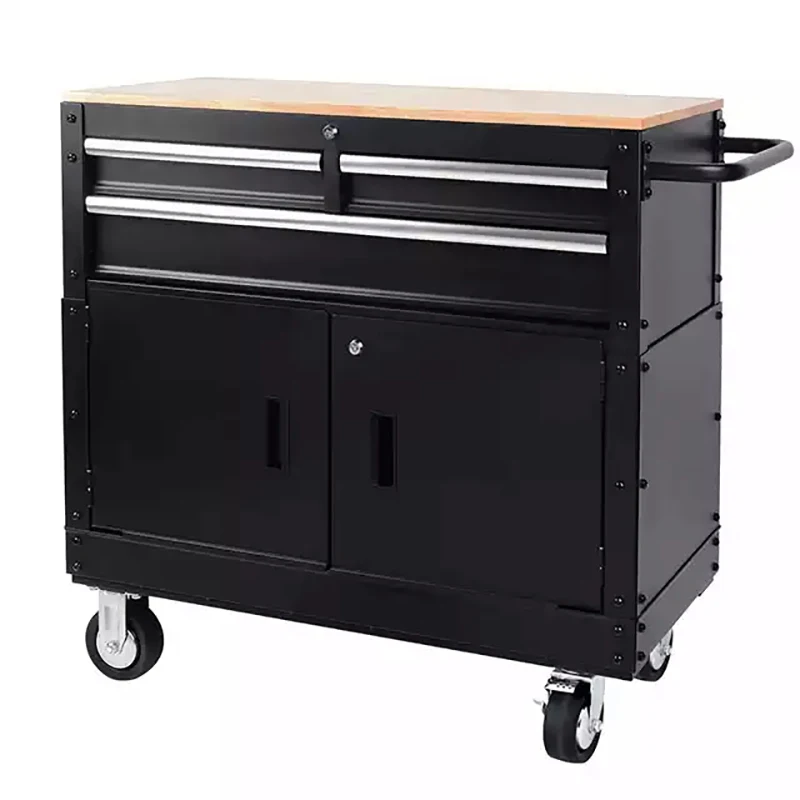
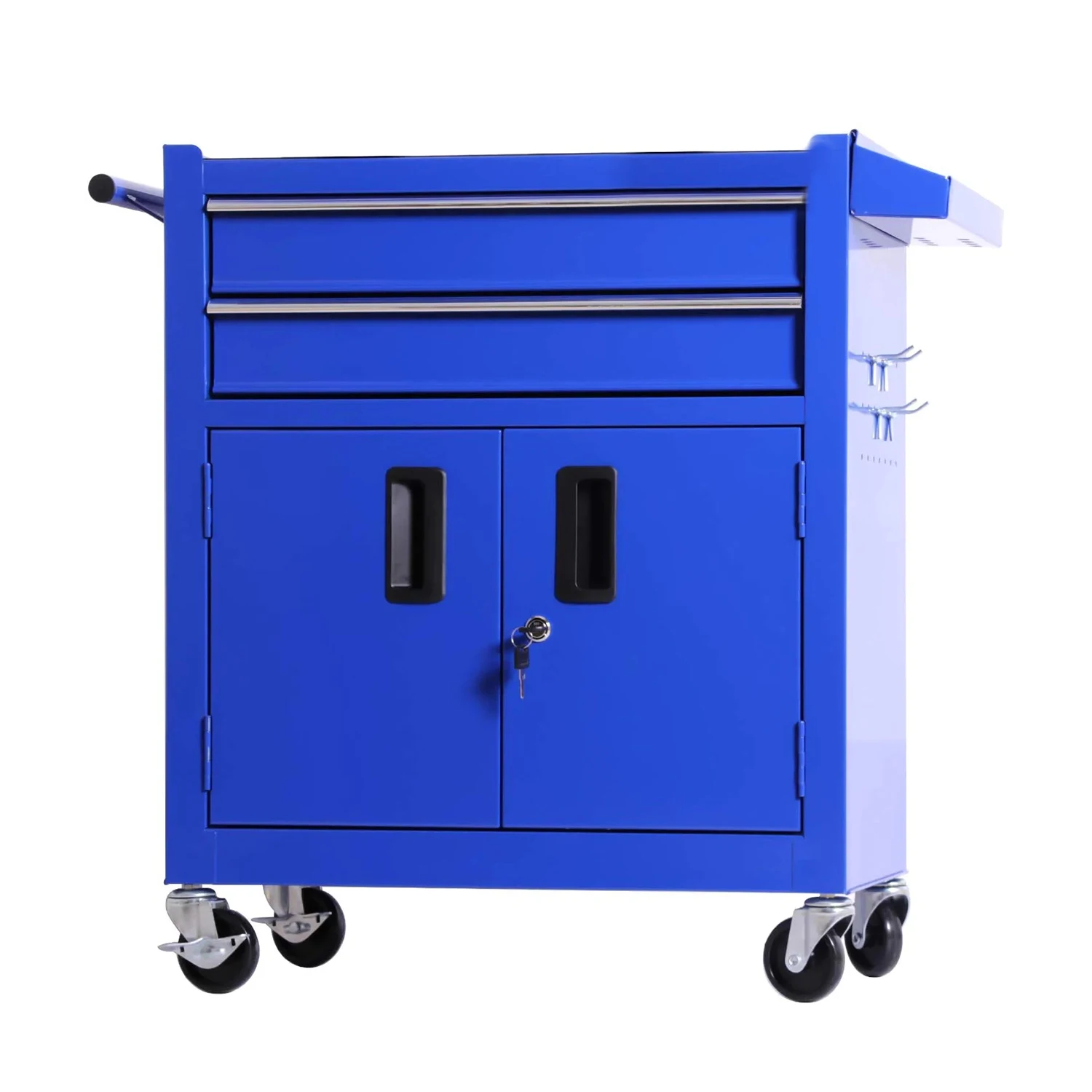
Imagine a repair area with a central bench and several work positions. Hand tools are used at each position, while larger equipment stays at the bench. A roll around tool chest could carry frequently used tools between the positions, leaving seldom-used items in fixed storage. Drawer count matters, but so do access, a clear route and the way the loaded unit behaves in use.
Map the route before choosing the cabinet
In this hypothetical setting, the user starts a task at the bench, moves to a work position and returns tools at the end of the job. Before specifying a roll around tool chest, the brand could map doorways, aisle turns, floor joints and the space needed to open drawers. A chest that fits a parking space may still obstruct a walkway when its drawers are extended.
Record the narrowest points along the route and check the cabinet's overall envelope, including handles, wheels and any projecting locks. Consider whether the unit needs to pass an occupied workstation and where it can be parked without blocking exits. If the route includes a slope, threshold or damaged floor, have the responsible workshop team assess whether the proposed unit and operating method are appropriate. Do not assume that a wheel brake makes a loaded cabinet safe on an incline.
Mobility is not the right answer for every workshop. If the same tools remain at one bench all day, fixed storage may be simpler. A roll around tool chest is worth examining when a defined group of tools genuinely needs to move together.
Turn the tool list into a drawer layout
The hypothetical user groups spanners, sockets and measuring tools by task, then identifies bulky items that need more clearance. Shallow drawers may suit small items arranged in trays; deeper compartments may accommodate larger tools. Measure actual tools and any liners rather than choosing drawer depths by appearance alone. Include clearance for hands and for items that need to be lifted out.
For a roll around tool chest, ask for usable internal dimensions, drawer extension and slide ratings under the specified conditions. A nominal external width does not tell the buyer how much room remains inside after side panels and hardware are included. Document the expected contents of each drawer and the total intended load, including the chest itself when assessing the wheels and floor.
Keep heavier items low where practical, and follow the manufacturer’s loading and opening instructions. Ask whether the design includes an interlock or another means of managing simultaneous drawer opening, then verify that feature on the proposed sample. Locks and drawer slides are configuration choices, not assumed features of every roll around tool chest.
Check movement, parking and stability
Wheel selection depends on the load, floor surface, environment and turning space. A buyer can ask the supplier to identify the caster model, mounting arrangement, wheel material and applicable ratings, including the conditions behind those ratings. Consider uneven load distribution and any reduction in capacity required by the intended application; a simple sum of individual wheel ratings is not a substitute for an approved complete-unit rating.
In the scenario, the chest is moved with drawers closed and parked on a level surface. The workshop team would verify the proposed parking method, brake access and any local operating rules. A roll around tool chest should be assessed for tipping in its intended configurations, including a loaded extended drawer, using a test plan agreed with the supplier. No outcome is implied here: the test must be performed on the actual design.
Check whether the operator has a comfortable grip and a clear view of the path. A handle that projects beyond the cabinet can affect both turning clearance and packaging. If the user needs to move the chest through a tight doorway, include the handle and caster orientation in the dimensional review.
Translate the layout into sheet-metal decisions
The cabinet body, drawer pans and mounting areas form a connected design. In a custom sheet metal brief, specify which surfaces carry hardware, where fasteners must be accessible and which edges users may touch. The supplier and brand can review panel joins, edge treatment, slide connections and the base around the caster mounts together, rather than approving each part in isolation.
CNC bending may be considered for formed panels where the agreed part geometry and available process are suitable. Bend radius, material thickness and springback affect the relationship between the drawing and the formed part. Discuss these factors with the fabricator, including hole positions near bends and which dimensions control drawer fit. The intended production process, tooling and tolerances must be confirmed for the actual design; the scenario does not establish a particular factory capability.
For a roll around tool chest, finish is another consideration rather than just a color choice. Specify the required appearance, the areas to be coated or masked and the acceptance method. A sample can help the parties inspect color, visible edges and fit around moving parts, but it does not replace an agreed specification or any required durability testing.
Make the sample review useful
Before placing a production order, the brand can ask for a drawing and a sample review that matches the expected tool arrangement. Check the assembled dimensions and drawer clearances, then confirm that the selected hardware and finish match the agreed bill of materials. Observe drawer travel, parking and movement under the conditions in the review plan. Any load or stability claim should come from documented testing of the actual configuration, not from this hypothetical example.
Record issues with the affected part, drawing revision and proposed resolution. For example, if a handle limits doorway clearance, the parties might compare a different handle position with a different parking location. The decision should remain open until the revised design has been checked. A custom sheet metal change can also affect assembly, finish coverage and packing, so those connections deserve another review.
Build an RFQ around what is still unknown
A useful request for a roll around tool chest separates intended use from proposed solutions. Include the target users and route, the tool inventory and expected loading, required outer and usable drawer dimensions, floor conditions, hardware preferences, finish requirements and packaging constraints. Identify the markets and documentation needs without assuming that any particular certification applies.
Request confirmation of the process route, sample scope, inspection method, change control and the evidence supporting any stated capacities. For OEM discussions involving sheet-metal processing and customized solutions, the Haiyang Libenli company website is an available starting point; specific product capabilities, terms and specifications still need direct confirmation.
The takeaway from this hypothetical roll around tool chest case is a sequence: map the work, translate it into a configuration, then review the actual design and evidence. The resulting brief gives a brand and its supplier concrete questions to resolve before a workshop relies on the product.
 Hot News
