 EN

Why Global Brands Source Custom Metal Cabinet Units?
A brand sourcing a custom metal cabinet is not simply buying a box with a door. It is defining how a storage product will fit a user's workspace, represent a product line and arrive ready for sale. Working with a manufacturer on a tailored configuration can give the brand more control over those decisions, provided the brief and review process are clear.
For an OEM procurement team, the practical question is whether a supplier can translate a metal cabinet brief into a configuration that both sides can review and reproduce. That calls for more than a catalog photograph: it calls for drawings, agreed inspection points and a quotation with a defined scope.
Turn the product concept into a specification
Global brands may serve workshops, distributors or other professional users with different storage habits. A custom metal cabinet can be planned around those habits instead of assuming that one arrangement fits every setting. Begin with what the unit will hold, where it will stand and how often its contents need to be reached.
Then translate that use into measurable requirements. State the external dimensions, internal clearances, shelf positions and door opening space. If the metal cabinet will sit beside other modules, include the connection dimensions and alignment requirements. A drawer configuration needs its own details, including usable space, slide type and the intended loading conditions.
The brand should identify which details are fixed and which can be discussed with the supplier. A finish color may be essential to a product family, while shelf spacing could remain open until a sample has been reviewed. This distinction makes the first conversation more productive and gives both teams a basis for considering alternatives.
Build a unified range without treating every unit as identical
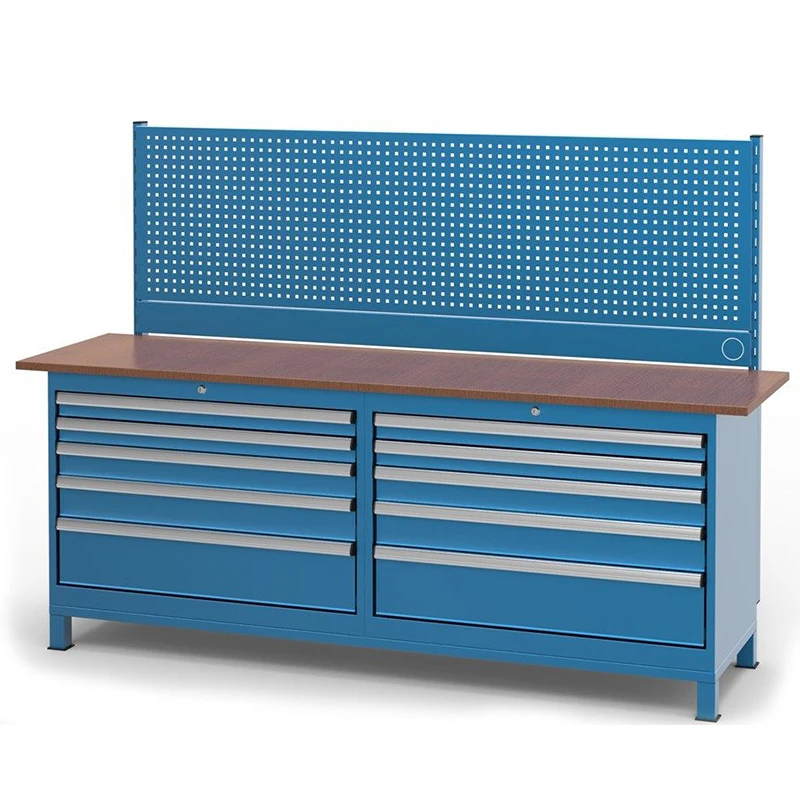
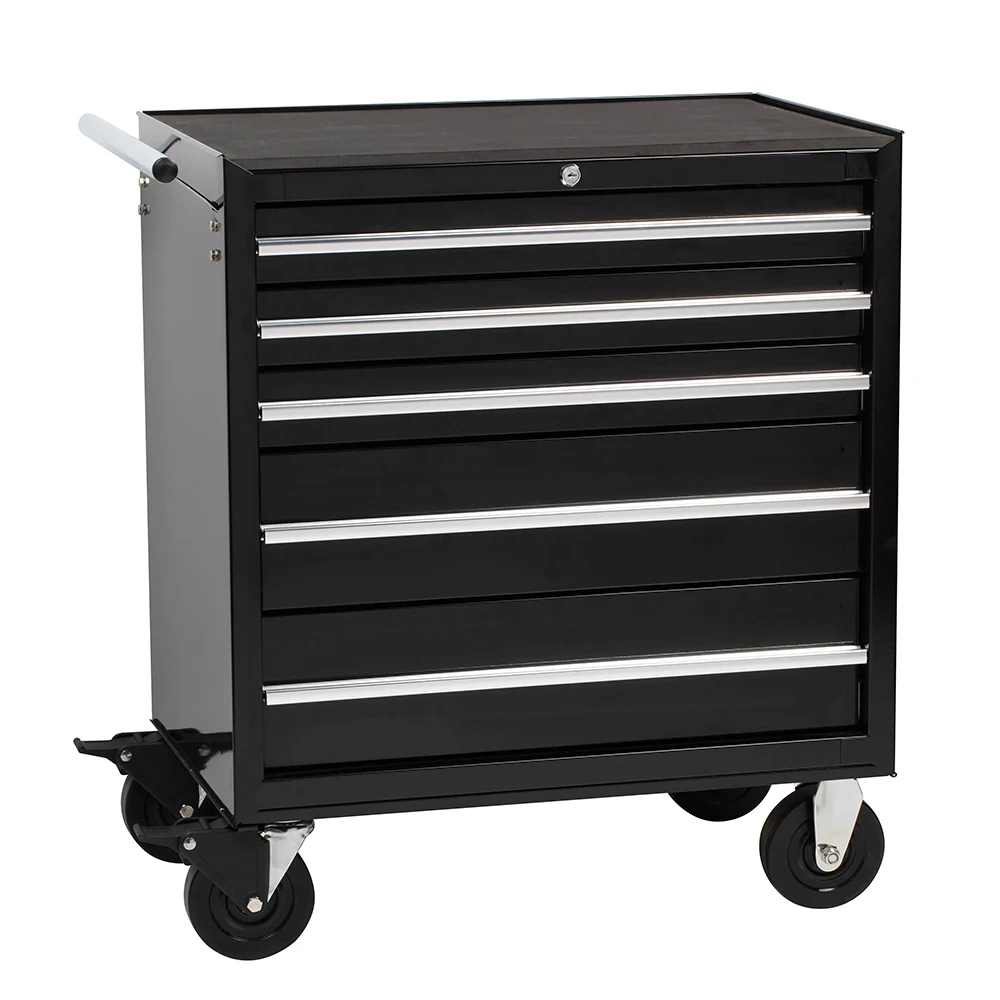
A metal cabinet range can share a visual language while offering different layouts. For example, a brand might explore a tall door unit for bulky items and a lower drawer unit for frequently accessed tools. This is an illustrative planning scenario, not a description of a completed customer project.
Ask the manufacturer to review which parts, finishes or fittings can be common across the proposed range. Shared components may simplify planning, but commonality should not override the function of each metal cabinet. A common handle is useful only if it works with the door, clearance and intended user.
Brand identification also belongs in the brief. Specify where a logo or label should appear, provide approved artwork and discuss the application method. Packaging artwork, assembly instructions and identification labels need separate approval; a customized exterior does not automatically settle those details.
Compare suppliers on evidence, not slogans
Supplier research often starts with claims about facilities and machinery. Search phrases such as “20000 sqm plant” or “Japanese CNC machines” may appear in a sourcing brief, but neither phrase proves anything about a particular factory. Ask for current documentation, the scope of the facility and the equipment relevant to the metal cabinet parts being quoted. Verify the information before using it in supplier comparisons or marketing.
Machinery alone does not establish that a metal cabinet will meet a drawing. Ask how the supplier proposes to review critical dimensions, manage purchased fittings and document changes. If operations are subcontracted, clarify which stages are included in the quotation and who is responsible for inspection.
Haiyang Libenli Metal & Technology Co., Ltd. describes its business in terms of sheet-metal processing, metal furniture and customized solutions. Those profile descriptions provide a starting point for a technical discussion, not evidence that a particular design, capacity or production schedule has been approved. The supplier should confirm project-specific details against the actual brief.
Agree on construction and finishing checks
A metal cabinet drawing should describe material and component requirements in a way both parties can inspect. Discuss material grade and thickness, joints, edge treatment, shelf support, hinges, locks and any moving parts. Define where dimensions are measured and which tolerances matter to assembly or installation. The right details depend on the design; a general label such as “heavy duty” is not a substitute for a specification.
For the finish, agree on appearance, color reference and the surfaces that must be coated. Request an approved sample or other agreed visual reference, then record how the production finish will be compared with it. If an adhesion test is relevant, ASTM D3359-23 describes tape test methods for coating films on metallic substrates. Confirm the appropriate method, its limitations and acceptance criteria for the specific finish before making it part of an inspection plan.
Use also matters. An ordinary metal cabinet intended for tools should not be assumed suitable for flammable liquids. In the United States, OSHA's 29 CFR 1910.106 addresses flammable-liquid storage; have a qualified reviewer establish the requirements for the intended application and market. Do not describe a unit as compliant without the relevant evidence.
Review a sample before committing to production
A sample gives the brand and supplier a shared object to evaluate, but the review should follow an agreed checklist. Check the metal cabinet against the drawing, including overall fit, shelf placement, door alignment and operation of fittings. Consider access with the intended contents, not just the appearance of an empty unit.
Photographs, measurements and written comments can capture what needs to change. Record the drawing revision, finish reference and agreed disposition of each issue. If a component changes after approval, both parties should assess whether another sample or a targeted check is needed. The aim is to keep a later metal cabinet consistent with the version the brand actually accepted.
Also review how the unit will be packed, moved and assembled. The parties can agree on packaging and handling checks appropriate to the distribution route, then document the outcome. Do not assume that an attractive prototype has already addressed transport damage, missing fittings or unclear assembly instructions.
Make quotations comparable
Price comparisons become more useful when each quotation describes the same metal cabinet scope. Include quantities, the drawing revision, material and finish requirements, fittings, packaging, inspection, delivery terms and any tooling or sample charges. Ask each supplier to identify exclusions and the conditions behind its proposed schedule.
If one quote includes a different lock, finish or packing method, compare those differences before drawing a conclusion from the total. A lower initial quote may leave a requirement unresolved, while an added feature may not be necessary for the intended buyer. Ask for alternatives separately so the baseline metal cabinet remains comparable.
Clarify ownership and access to artwork, drawings and tooling in the commercial agreement. Define who may approve changes and how the teams will handle questions after an order is placed. Commercial terms need review by the parties involved rather than assumptions based on a supplier's location.
Start with a clear OEM request
Custom sourcing can help a brand align a metal cabinet with its product range and users, but the benefit depends on specifications and evidence. Prepare a brief covering the use case, configuration, intended market, expected quantities, finish, packaging and review criteria. Attach available drawings and list the open questions instead of presenting assumptions as settled facts.
Then ask the supplier for a scope review and a quotation against that same brief. Once the sample and the unresolved points have been reviewed, the brand can decide whether the proposed metal cabinet is appropriate for the next stage of its product plan.

 Hot News
