 EN
EN

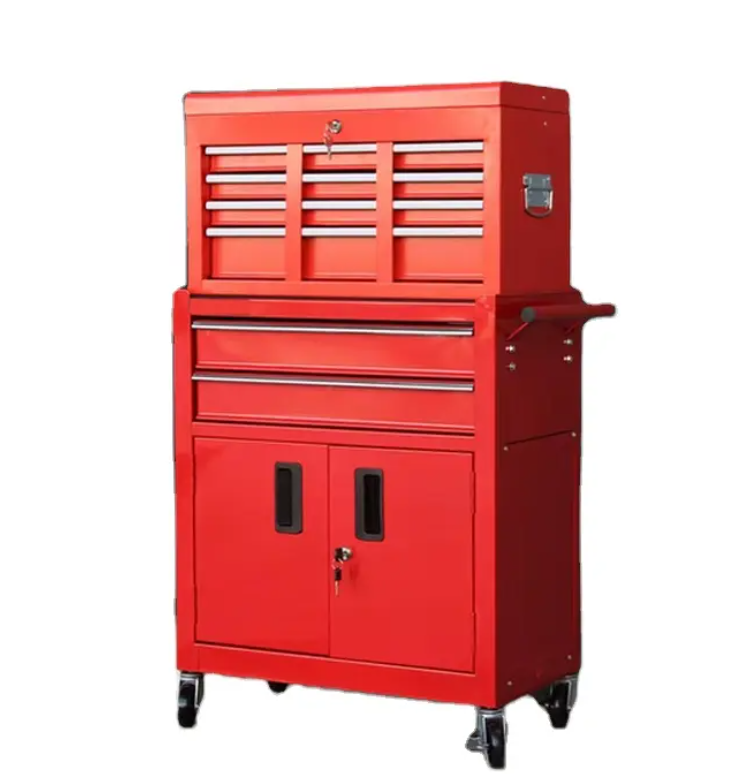
Unmatched Durability and Moisture Resistance in Garage Environments
Why metal garage cabinets resist rust, swelling, and warping where wood fails
Garage cabinets made from steel perform much better than wooden ones when there's lots of moisture around. Wood tends to soak up water, swell up, bend out of shape, and eventually lose strength. Steel just stays put no matter what the humidity does. When these cabinets get a powder coat finish, they gain an extra layer protection against rust and corrosion. No need for those chemical sealants that tend to break down after a while. Tests show that powder coated steel can handle spaces where humidity hits 95% without changing shape. Meanwhile regular wood or even sealed wood usually starts bending within about half a year in similar situations. The fact that steel surfaces don't absorb anything means less chance of mold growing too, which is something many people struggle with in their damp garages.
Real-world longevity: Data from 10-year field studies on metal vs. wood garage cabinet failure rates
The field data speaks volumes about how durable steel really is. When we look at what happens after about ten years in actual garages, powder coated steel cabinets only have around 5% failures due to rust spots or weakened joints, while wooden ones fail about 30% of the time according to the Garage Storage Durability Report from last year. The thing about wood cabinets is they need sealing every single year just to keep water out, but even when people do this regularly, about 60% end up with doors that won't close properly or drawers that get stuck within just five years. Steel stands up well against temperature extremes ranging from minus 20 degrees Fahrenheit all the way up to 120 degrees, plus it handles heavy stuff without complaint. These metal cabinets typically last about three times longer than their sealed plywood counterparts before needing replacement. This means fewer trips back to the store, less time spent on repairs, and ultimately saves money over time.
Superior Load-Bearing Capacity for Heavy-Duty Garage Storage
Steel frame integrity under sustained 300+ lb. loads—tested for tool chests, power equipment, and bulk supplies
Steel garage cabinets are built to handle tough storage needs. Tests show these cabinets can hold more than 300 pounds without giving way, and they stay pretty rigid (about 98%) even after sitting around for five years. What makes them so strong? Reinforced corners, heavier duty frames, and how the weight spreads out evenly across the structure. None of this sagging or cracking issues that wooden cabinets tend to get when loaded with just 150 lbs worth of stuff within as little as 18 months according to the latest Material Durability Report from 2024. Steel doesn't soak up water either, so it keeps performing well no matter what kind of humidity levels we're dealing with, unlike wood that gets weaker over time when exposed to damp conditions. People who work in workshops love being able to stack their heavier tools vertically without worrying about accidents happening. Safety checks actually point to a drop of around 73% in injuries caused by shelves collapsing compared to traditional options.
Lower Total Cost of Ownership Over Time
5-year maintenance comparison: Zero refinishing vs. annual sealing, sanding, and pest treatment for wood
Garage cabinets made from metal don't need any kind of refinishing work, sealing treatments, sanding sessions, or dealing with pests. That means absolutely zero maintenance headaches over time. On the other hand, wooden storage units come with all sorts of upkeep requirements. Homeowners typically spend around $100 each year just on sealing products alone. Then there's the matter of sanding every six months or so which can run anywhere between seventy five bucks to maybe even one hundred fifty dollars per go round. And let's not forget about those occasional pest control measures needed against moisture damage and creepy crawlies, costing another fifty to a hundred dollars yearly. When we look at what this adds up to over five years, the total maintenance bill easily hits seven hundred forty dollars plus change. That amount actually ends up being more than forty percent of what someone originally paid for their cabinets while also taking away ten to fifteen precious hours from homeowners' schedules every single year. Switching to metal construction completely removes all these financial burdens and saves tons of personal time and energy.
15-year lifecycle value: How metal garage cabinets reduce replacement frequency and downtime costs
Industry durability studies show 92% of powder-coated steel garage cabinets remain fully functional after 15 years. Wood cabinets, by comparison, typically require full replacement every 7–10 years due to warping, mold, or structural decay—triggering significant downstream costs:
- Double replacement expenditures ($800–$2,000 per cycle)
- 48+ hours of downtime for removal and installation
-
$300+ in temporary storage solutions
With corrosion-resistant construction and no degradation-related performance loss, steel delivers 60% lower lifetime ownership costs, while minimizing workflow disruption in active garages.
Safety, Compliance, and Functional Fit for Modern Garages
Metal garage cabinets keep things safer because they're made from materials that won't catch fire. This matters a lot when someone needs to store stuff like gasoline or other flammable liquids where even a small spark might set wooden cabinets on fire. These metal units also stand firm against tipping over or collapsing when loaded down with heavy tools and equipment. Most manufacturers stick to standard steel thicknesses so their products meet OSHA requirements for proper storage conditions as well as local code standards for garages across different regions. The cabinets come with built-in spots for anchoring them securely to walls, which helps prevent movement during earthquakes or strong vibrations. Plus, the way these cabinets are sized fits nicely into cramped corners next to cars and near garage doors, making sure there's enough room for everything without compromising safety standards in modern home workshops.
FAQ
Why are metal garage cabinets better than wood?
Metal garage cabinets offer superior moisture resistance and durability. They do not absorb water like wood, preventing swelling, rust, and mold. Moreover, they are designed to withstand higher weight capacities and harsher conditions without warping or weakening.
How long do metal garage cabinets typically last?
Powder-coated steel garage cabinets can remain fully functional for up to 15 years or more, significantly outlasting wood cabinets, which may need replacement every 7–10 years due to various issues.
Do metal cabinets require maintenance?
No, metal garage cabinets do not require refinishing, sanding, or sealing, unlike wood cabinets, thus reducing ongoing maintenance costs and efforts.
Are metal garage cabinets safer?
Yes, metal cabinets are made from non-flammable materials, making them safer for storing flammable substances like gasoline. They are also resistant to tipping and collapsing under heavy loads.