 EN
EN

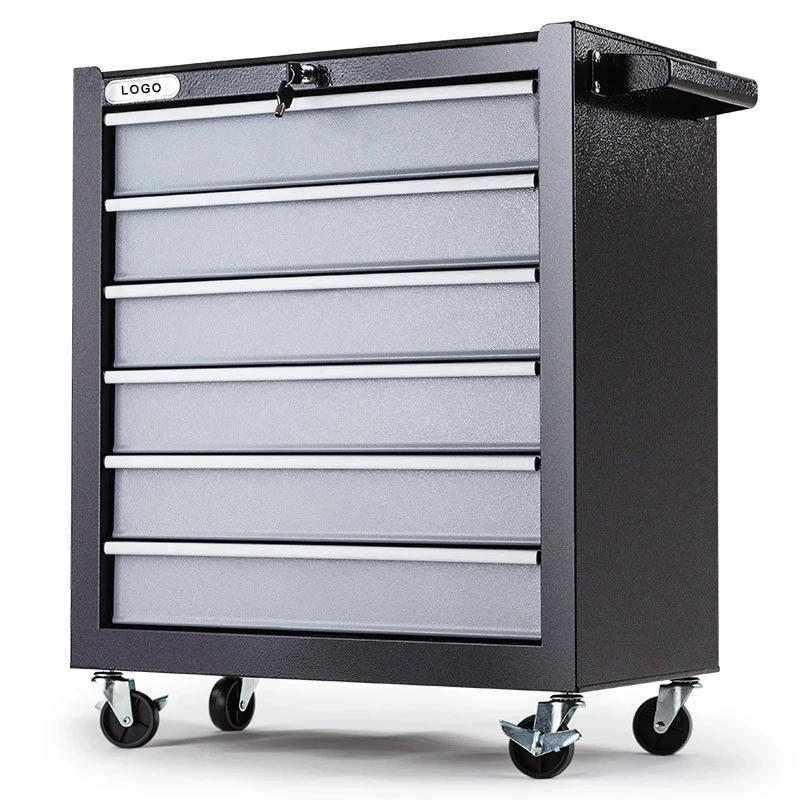
Why Modern Workshops Need a Tool Cart with Power Outlets
Workshops today need workers to move around freely and get things done quickly something old school workbenches just cant handle. Techs waste precious minutes digging through locked cabinets for their tools or running all over the place looking for an open socket. And those long extension cords? They turn floors into trip hazards and basically tie people down to certain spots. That's where a good tool cart comes in handy. These carts have built in power strips right on them so workers can grab what they need without breaking stride. Plus they keep everything organized in one spot while still letting folks roll wherever the job takes them. No more chasing after loose wires or wasting time searching for storage spaces when there's real work to be done.
When everything is set up properly, workers don't have to run back and forth between tool storage areas and where they charge their gear. All the necessary tools stay right at hand, so nobody gets distracted looking for something. The built-in power system lets people work with both wired tools like bench grinders while also keeping battery operated stuff charged up, including drills and those heavy duty impact drivers. Shops that actually implement these mobile power solutions often see around 15 to 20 percent improvement in how much gets done throughout the day simply because nobody wastes time walking around or hunting down tools when they need them most.
When it comes to safety, managing electrical loads properly along with GFCI protection makes a big difference. Putting outlets in smart locations stops people from creating those dangerous extension cord chains we all see too often. And having separate circuits for different areas keeps things from getting overloaded. What really stands out is how mobile these setups can be. A good powered tool cart lets workers move around freely whether they're fixing cars in a garage or working on big projects across open shop spaces. Flexibility isn't just convenient anymore it's become essential for staying productive in today's fast paced environments.
How a Tool Cart with Power Outlets Improves Battery Tool Workflow
Putting power outlets right into the tool cart completely changes how people manage their battery powered tools since they no longer have to run back and forth to find wall chargers all day long. Technicians can now charge their gear exactly where the job is happening, whether that's inside a car repair station or out on some construction site somewhere. Industry reports suggest this setup cuts down on wasted time by around 40 percent. The real benefit comes when workers don't lose steam because they just pop in fresh batteries from the spare stash kept right there on the cart instead of waiting for something else. This keeps essential machines running nonstop, which matters a lot for things like sanding equipment and those big circular saws everyone relies on during projects.
Optimizing Simultaneous Charging for Cordless Drills, Impact Drivers, and LED Lights
Modern tool carts with multiple USB and 120V outlets enable strategic charging cycles across mixed-voltage ecosystems. Consider this efficiency comparison:
| Charging Method | Tools Charged Simultaneously | Estimated Time Savings |
|---|---|---|
| Traditional Wall Outlet | 1–2 | Baseline |
| Tool Cart Outlets | 3–4+ | 55–70% (Power Tool Decisions 2025) |
The best battery systems these days are those 20V and 60V ones that work together across different tools. Electricians and other trades folks love being able to charge up their heavy duty stuff first, like impact drivers, while still keeping spare batteries ready for things such as LED work lights, all right from where they're working. Nobody wants to spend time running back and forth looking for charged batteries. We call it the battery shuffle, and studies show it eats away about 22 minutes each day from what tradespeople could be doing on actual jobs instead of searching through drawers full of partially charged packs.
Space-Saving Benefits: Combining Mobility, Storage, and Onboard Power in One Tool Cart
Workshops today are always trying to squeeze every inch out of their available space without losing easy access to tools and equipment. Tool carts equipped with built-in power outlets tackle this problem head on, combining three essential features into one package mobile storage solutions, better organization at workstations, plus ready access to electricity. Traditional workshop layouts typically need separate cabinets for tools, dedicated charging areas, and those annoying extension cords everywhere. But these all-in-one carts cut down on wasted floor area significantly, maybe around half based on what some recent studies on workspace efficiency have found. Shop owners report being able to rearrange their spaces much more flexibly after switching to this type of system.
Lockable drawers help keep all those wrenches, screwdrivers, and various fasteners neatly arranged but still easy to grab when needed. Plus, the heavy duty casters make it simple to move around different work areas without hassle. What really stands out though is the built in power system that gets rid of messy cords and eliminates the need for separate charging stations. Workers can run their grinders, light up their workspace with LEDs, and charge batteries right from the cart itself. When we combine smart storage solutions with compact design and reliable electrical access, what used to be just empty space becomes valuable working area instead.
Safety and Reliability: Critical Power Specifications for a Professional Tool Cart
Electrical safety cannot be compromised in busy workshops. A professional-grade tool cart with integrated power outlets requires three non-negotiable features: GFCI protection, intelligent load management, and industrial-grade cabling—each essential to prevent shocks, fires, and equipment damage during high-demand tasks like simultaneous charging.
UL-Listed GFCI Outlets, Load Management, and Heavy-Duty Cord Standards
UL-listed GFCI outlets shut off power within milliseconds during ground faults—critical near conductive materials like metal shavings or liquids. These independently tested outlets meet North America's strictest safety benchmarks.
Load management systems prevent circuit overloads. Built-in breakers and wattage monitoring enable safe multi-device charging (e.g., three or more cordless drills) without tripping. Exceeding a tool cart's rated capacity risks overheating and tool damage.
Heavy-duty cords demand 12-gauge wiring and reinforced rubber jackets—construction that withstands abrasion, chemical exposure, and repeated coiling. Avoid cords under 10 feet: mobility shouldn’t compromise voltage stability during workshop movement.
FAQs
Why are power outlets on tool carts so crucial in modern workshops?
Power outlets on tool carts eliminate the need for long extension cords and make it easy for workers to use and charge their tools on-the-go, improving productivity and safety.
How do tool carts with power outlets enhance battery tool workflows?
These carts allow tools to be charged right at the job site, reducing downtime and preventing the need to constantly search for charged batteries.
What safety features are vital in a professional-grade tool cart with power outlets?
Key safety features include GFCI outlets for shock prevention, load management systems to prevent circuit overloads, and heavy-duty cords for robust and safe operation.