 EN

Client Reviews of Our Custom Modular Tool Storage Units
When a tool-storage brand asks for a custom range, the useful feedback is rarely a single compliment about a cabinet. It is usually a record of what made the brief easier to review: which tools needed a home, how drawers and cabinets were expected to work together, and which details still needed confirmation before production. That is the lens behind this discussion of modular tool storage from Haiyang Libenli Metal & Technology Co., Ltd., a metal-processing supplier serving brands that need OEM conversations to stay specific.
We do not present anonymous comments as verified testimonials, and we do not treat a concept drawing as proof of a finished product. Instead, the recurring review themes below reflect the questions buyers commonly raise when evaluating a custom configuration. They are useful because they turn broad impressions into reviewable inputs for a turnkey OEM project.
What buyers tend to review first in modular tool storage
One point comes up early: a modular system should be judged by the work sequence, not by cabinet size alone. A layout can include drawer modules, tall cabinets, chests, or mobile units, but each piece needs a defined role. Which tools are used together? Which ones travel to the work area? Which items need a shared return location at the end of a shift?
That sounds straightforward, but the next question is how the tools actually move through the workspace. Buyers reviewing modular tool storage commonly separate three decisions:
- Access: frequently used tools should be grouped around the task sequence rather than scattered by purchase date.
- Capacity: storage volume matters, yet it must be checked against the intended tool mix and internal organization.
- Placement: fixed modules, carts, and taller units should be considered against available floor space, routes, and reach.
A drawer count alone does not establish suitability; internal organization and the intended tool mix still need review. This is why a buyer’s feedback can be more valuable when it states the workflow condition behind the preference. For example, “we need commonly used hand tools near the assembly area” is more actionable than “we need more drawers.”
Review theme: configuration is easier when the brief is visible
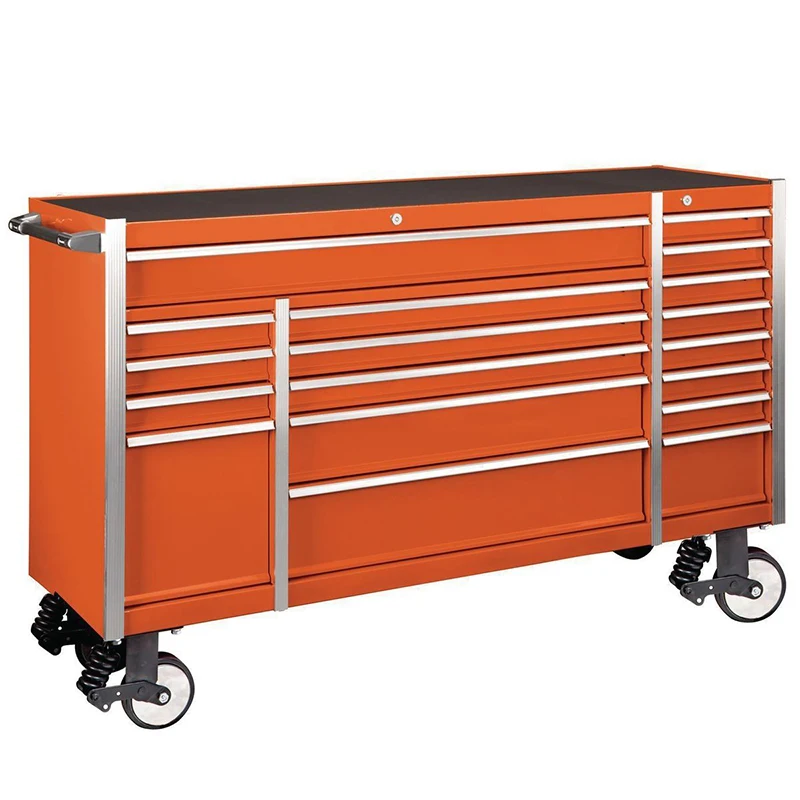
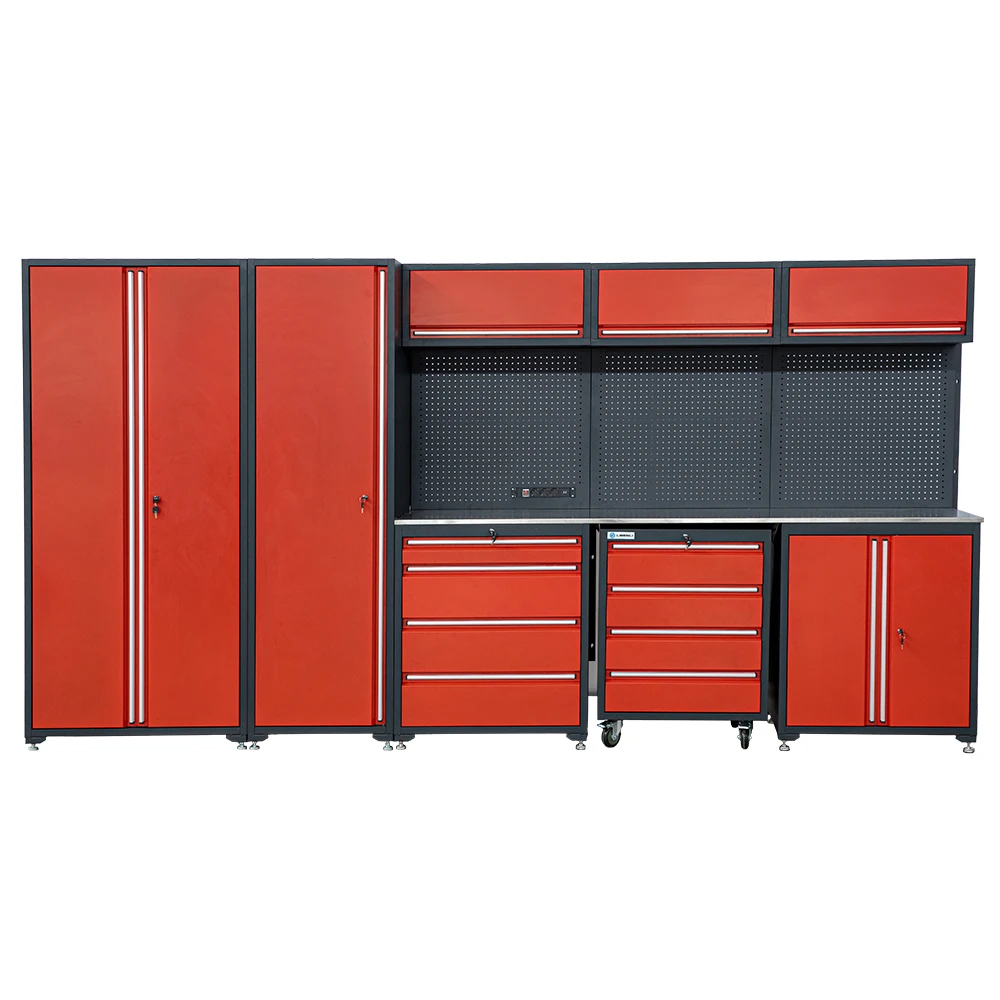
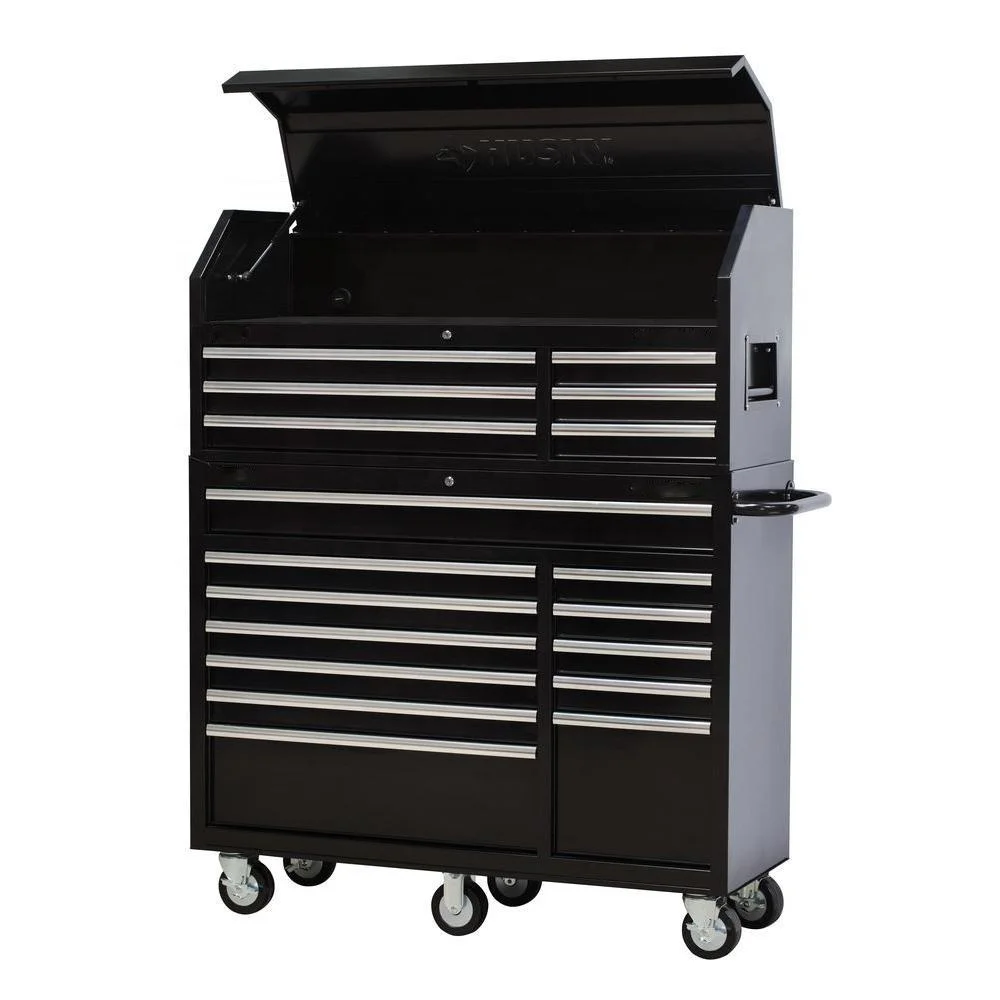
For brand teams, custom modular tool storage is often a product-line decision rather than a one-off purchase. Feedback becomes clearer when a proposed range is shown as a set of modules with a shared logic: a base cabinet for stable storage, drawers for grouped small tools, a chest for compact collections, and a mobile option where movement is part of the routine.
Reviewers often want to see the boundaries between standard scope and requested changes. Dimensions, material choices, finishes, handles, locks, internal dividers, packaging, and branding can each affect the final brief. Naming those topics does not mean they are already confirmed. It means the project team has a place to record them.
For a turnkey OEM discussion, a practical review package can include a layout drawing, the target tool categories, a list of requested exterior details, and the questions that require approval. That approach helps procurement, product, and workshop stakeholders discuss the same configuration instead of working from separate assumptions.
Review theme: manufacturing questions should be concrete
Haiyang Libenli’s approved company profile describes high-precision sheet-metal and pipe processing, metal furniture, stamping parts, and customized solutions. In a custom storage conversation, those capabilities are most useful when they lead to specific questions, not broad promises. A buyer might ask how a formed panel will be represented in a drawing, what information is needed for an internal divider, or which finish requirement must be approved before it is added to the scope.
The phrase precision CNC punching belongs in the same evidence-led conversation. It can be relevant where a design calls for repeatable hole patterns or specified panel details, but its use in a project should be tied to the approved drawing and process review. It should not be read as a claim about every unit or every configuration.
One industry source on OEM tool storage highlights review points such as drawer structure, extension, locking, movement conditions, and long-term use considerations. Those are sensible prompts for a custom project. They are not a list of verified features for every modular tool storage unit. Before relying on any feature in a purchase decision, ask for the relevant drawing, sample detail, or approved specification.
Review theme: modular storage should support change without hiding trade-offs
Modularity can make it easier to plan an expansion path, but it does not remove the need for trade-offs. If the tool mix changes often, a modular layout may be worth reviewing; if it is stable, a simpler fixed arrangement can be clearer. The goal is not maximum storage in theory, but useful access in the actual work area.
Buyers can make feedback more precise by reviewing a proposed setup against a short routine:
- Group tools by how often and where they are used.
- Assign each group a home zone before selecting a module.
- Check the take-out-and-return routine with the expected users.
- Mark which modules must remain fixed and which may need to move.
- List the dimensions, finish, fittings, branding, and packaging details that still need approval.
This process keeps the review grounded. It also prevents a custom modular tool storage request from becoming a vague request for “heavy-duty” storage without a shared definition.
How to turn feedback into a stronger OEM request
The most useful client-review pattern is not a polished quote; it is a traceable decision path. A brand can use feedback from sales, product managers, and end users to create one request that names the storage formats, the operating context, and the confirmation points. That gives a supplier a clearer basis for evaluating a custom solution.
For a turnkey OEM program, consider asking these questions before treating a configuration as ready for production:
- What tool groups, workspace zones, and user routines should the storage support?
- Which elements are standard for the range, and which are configuration requests?
- What dimensions, finishes, drawer interiors, locks, labels, or branding need documented approval?
- Which details require a drawing review, sample review, or process confirmation, including any precision CNC punching requirements?
- What packaging and handover expectations belong in the complete OEM scope?
These questions do not replace engineering review. They give client feedback a practical role in the review cycle and help keep claims aligned with documented requirements.
A balanced way to read client feedback
Positive feedback is most meaningful when the reader can see what was reviewed, what was configurable, and what remains to be confirmed. For custom modular tool storage, the clearest feedback often points to a workable layout, a more organized brief, or a smoother conversation between a brand and its OEM partner. It should not be stretched into a promise about capacity, durability, compatibility, or production outcomes that has not been documented.
Haiyang Libenli can frame an inquiry around those confirmable details: the tool flow, module roles, sheet-metal requirements, requested exterior details, and the proof needed before release. For brands developing a storage range, that review-led approach offers a disciplined starting point for the next configuration discussion.
 Hot News
