 EN

Core Functional Features of a Professional Tool Box
A professional tool box is more than a place to put tools between jobs. In a busy workshop, maintenance bay, or service area, it sets the route from picking up a tool to returning it. From a metal storage design advisor’s view, the useful question is not simply how many drawers a unit has. It is whether the layout lets people reach, secure, and reset the tools used most often without disrupting the work sequence.
That sounds straightforward, but the next question is how tools actually move through the workspace. A well-planned professional tool box separates everyday hand tools from occasional equipment, keeps frequently handled items within a comfortable reach, and gives the team a repeatable place to return each item. The functional features below provide a practical way to assess that workflow before a configuration is finalized.
Start with access flow, not drawer count
Buyers often begin by comparing drawer counts. Capacity matters, yet it does not explain whether the contents will be easy to retrieve. Capacity was not the only question; the more useful question is how quickly daily-use tools can be retrieved and returned. For that reason, map the tool mix first: identify the tools used every shift, those used weekly, and the larger or less frequent items that need separate accommodation.
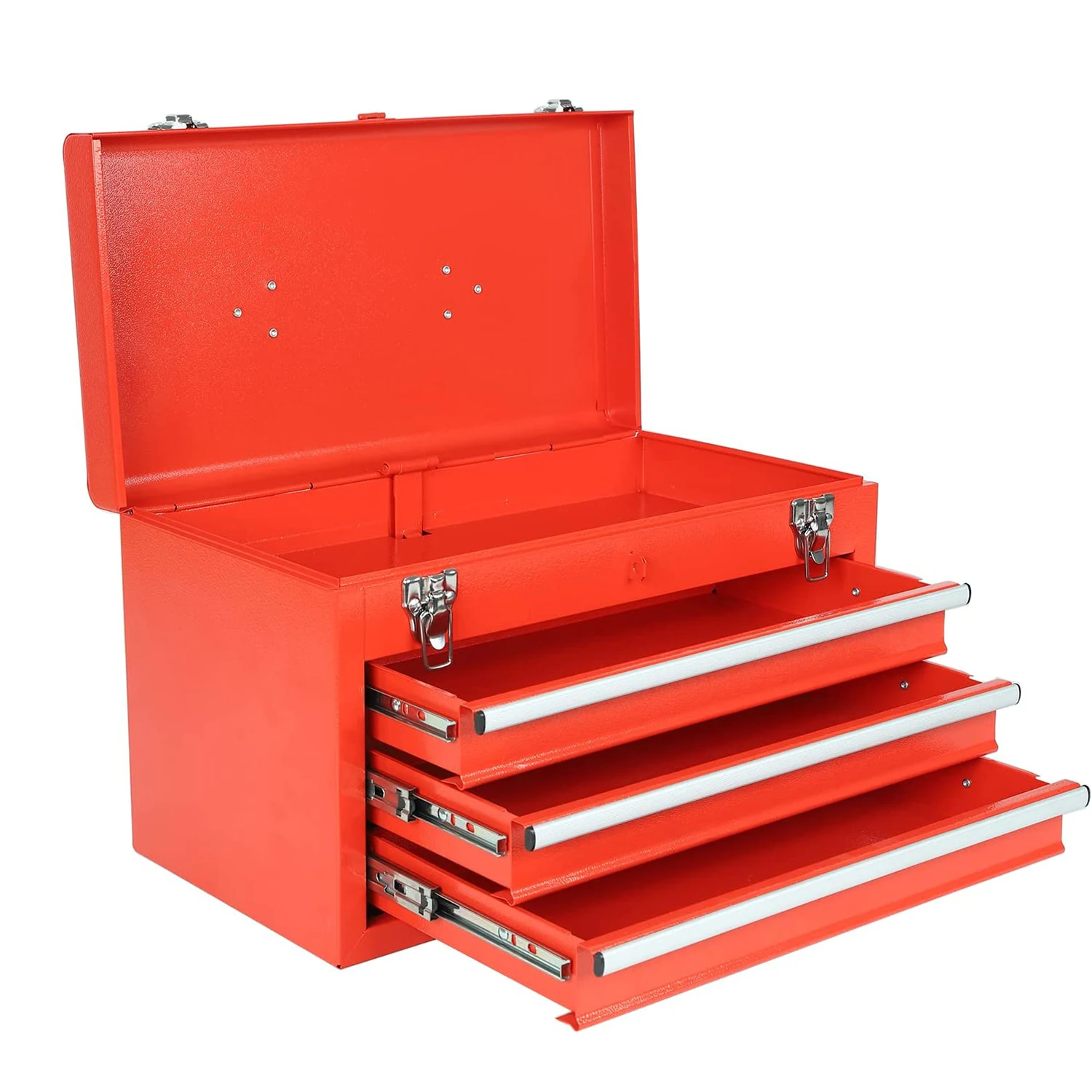
A professional tool box can then be organized by access frequency. Shallow drawers may suit small tools, measurement items, or parts that benefit from visible separation. Deeper compartments may be appropriate for bulkier equipment when the drawer’s intended load and slide arrangement have been confirmed. The exact drawer dimensions, internal dividers, and rated loads are configuration-specific, so they should be reviewed in the supplier drawing rather than assumed from a product photo.
- Place high-frequency tools where the operator can reach them with minimal interruption.
- Group tools by task sequence when several tools are used together.
- Reserve deeper storage for items that do not need constant access.
- Confirm whether dividers, foam inserts, and labels are included, optional, or supplied separately.
Drawer construction and slide behavior affect daily use
Drawer performance is a functional issue because a drawer is opened and closed many times during a workday. Evaluate the number of drawers together with their usable depth, the planned contents, and the slide system specified for the project. A drawer that looks suitable when empty may not be suitable once the intended tools, trays, and inserts are installed.
It is helpful to ask how the drawers behave when several compartments are loaded differently. Confirm the specified slide type, extension arrangement, stop or retention behavior, and any stated load basis. These details affect access, cleaning, and the way a professional tool box feels in regular service. They also make quotations easier to compare because every supplier is responding to the same defined requirement.
What a central locking bar should do
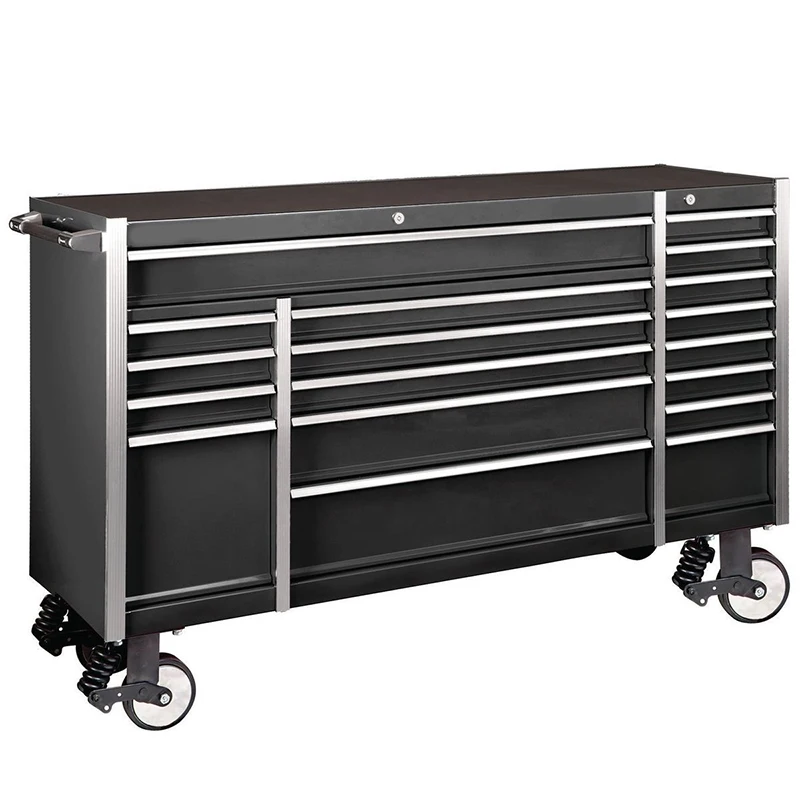
A central locking bar is relevant when a workplace needs a single locking action to control multiple drawers or compartments. Depending on the design, operating the lock may engage or release a bar or linkage that limits access to several storage areas. It is not really enough to see a key cylinder on the front; the more important point is which drawers or doors are actually covered when the system is locked.
Before approving a professional tool box with a central locking bar, ask for a clear explanation of the lock coverage. Confirm whether the mechanism secures every drawer, selected drawers, or only a particular section. Also clarify the key-management approach, replacement-key process, and whether the lock is intended for access control in normal operations rather than for a particular security rating. This measured review prevents a visual feature from being mistaken for a promise that the product documents do not make.
Stability, footprint, and mobility must work together
A storage unit should fit the actual path of work, not just the available wall space. Fixed cabinets can suit a stable workstation, while mobile units may help when tools need to move between bays. The better fit depends on the floor layout, aisle clearance, tool weight, and how often the storage moves—not on a blanket ranking of one format over another.
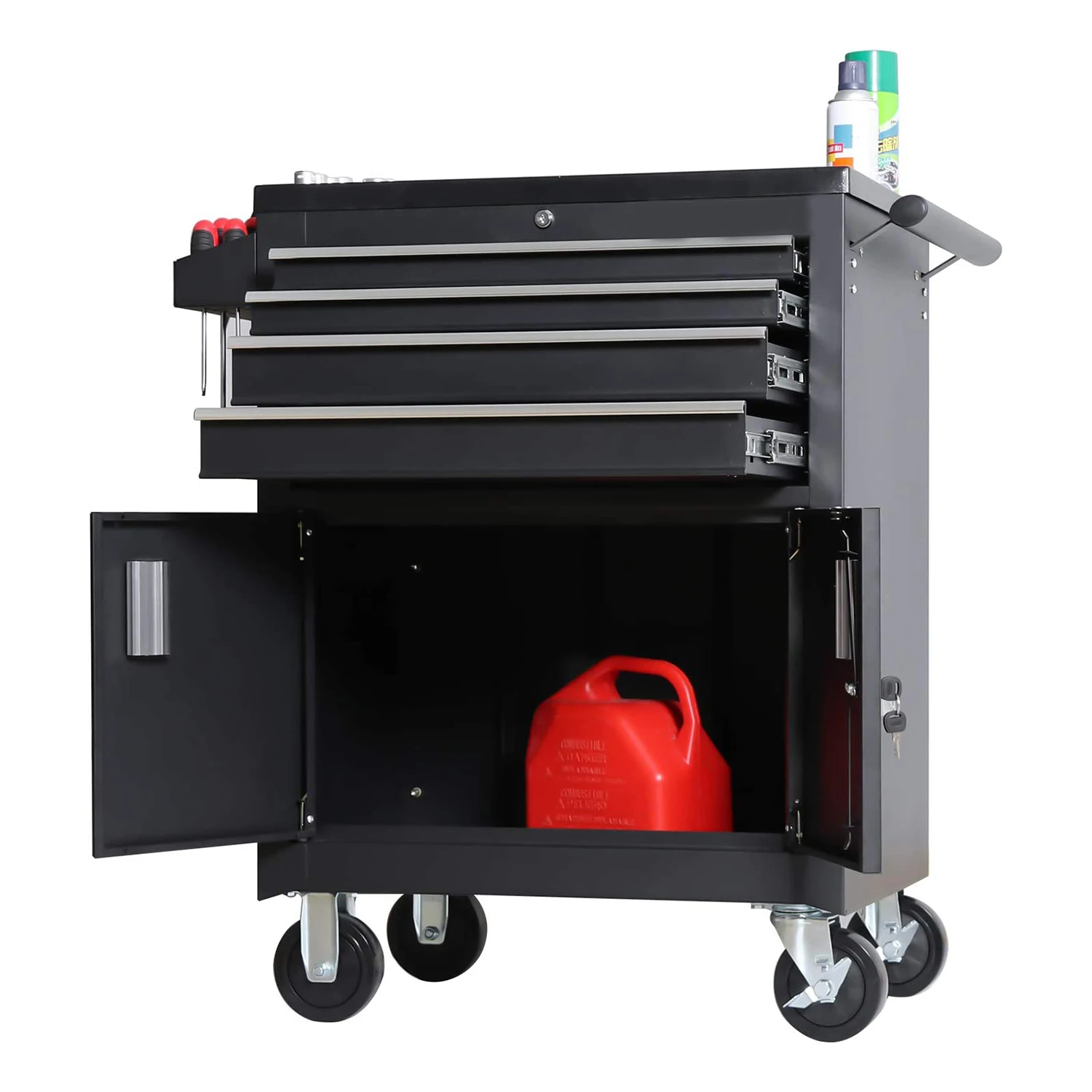
For a mobile professional tool box, review the caster arrangement, handle placement, braking method, and the intended movement surface. For a fixed or tall configuration, review the footprint, drawer-opening clearance, and any anchoring requirements in the approved installation guidance. It is worth checking these points before finishing options are selected, because the operating space can determine the configuration more strongly than appearance.
How to evaluate stainless steel trim
Stainless steel trim can serve as a finish detail, an edge treatment, or part of a work surface depending on the design. Its value should be judged in context: contact points, expected cleaning routine, exposure to moisture or shop residues, and the visual direction of the overall range. Do not treat the words stainless steel trim as a material-grade or corrosion-performance claim unless the specification confirms the grade, thickness, and construction.
In practical terms, buyers can ask where the stainless steel trim is located, how it is fixed, whether adjacent surfaces have different finishes, and what cleaning products are suitable. If a worktop is involved, confirm its load and intended use separately. A trim detail can make a professional tool box easier to integrate into a consistent product line, but the functional decision still rests on verified construction and the demands of the workplace.
Organization features turn storage into a repeatable system
The decision changes once the tool box is treated as one part of a workshop storage system. Labels, drawer liners, dividers, shadow boards, and standardized tray sizes can help teams see whether a tool is missing and where it belongs. These accessories should be listed as requirements rather than assumed, especially in an OEM project where packaging, branding, and interior layouts may vary.
For brands sourcing metal storage, a useful RFQ translates the desired professional tool box into confirmable details: overall envelope, drawer plan, lock coverage, finish areas, stainless steel trim location, mobility needs, branding, and packaging. Haiyang Libenli Metal & Technology Co., Ltd. works in sheet-metal processing, metal furniture, and customized solutions, so a structured brief helps move the conversation from a general product name to a reviewable configuration. Final capabilities and specifications should be confirmed against the agreed drawings and product documents.
A feature checklist for a professional tool box
| Feature area | Questions to confirm | Why it matters |
|---|---|---|
| Drawer layout | Which tools go in each drawer? What are the usable dimensions and specified loads? | Connects capacity with retrieval and return routines. |
| Central locking bar | Which compartments lock together, and how is key control handled? | Clarifies the intended access-control scope. |
| Mobility and footprint | Will the unit move? What clearances and floor conditions apply? | Helps the storage work within the actual layout. |
| Stainless steel trim | Where is it used, what construction is specified, and what care is appropriate? | Keeps finish expectations tied to approved details. |
| Interior organization | Are dividers, liners, labels, or trays included? | Supports consistent tool control after installation. |
Choose features around the work sequence
A professional tool box is most useful when its features support a defined routine: tools are easy to identify, accessible at the right moment, secure when the area is unattended, and simple to return after use. Start with the access flow, then specify drawer construction, central locking bar coverage, mobility, and finish details such as stainless steel trim. If the tool mix changes often, a modular layout may be worth reviewing; if it is stable, a simpler fixed arrangement can be clearer.
For an OEM or branded storage project, document the questions before comparing quotations. That approach does not choose a universal winner. It gives the project team a practical basis for selecting a professional tool box whose function, appearance, and verification points match the intended workplace.
 Hot News
