 EN

Factory Transformation Case With a Workshop Tool Chest
Illustrative scenario: This is a hypothetical factory example, not a customer project or a report of measured results. It shows how a workshop tool chest could support a change in tool storage and what a team would need to verify before claiming an improvement.
Picture a maintenance area where several shifts share hand tools. A wrench may be returned to a bench, a measuring tool to a shelf, and a spare component to a drawer with no label. The issue is not simply a shortage of storage space: people need a consistent way to find, use and return what their next task requires. A workshop tool chest can provide that structure, but only if its layout fits the people and work around it.
Start with the work, not the cabinet
In this hypothetical case, a factory team plans a small pilot around a shared workbench. Before ordering a workshop tool chest, it walks through a typical maintenance job with the people who use the area. Which tools are picked up together? Which must travel to another machine? Which measuring instruments need separate protection? The answers shape the storage plan more reliably than a drawer count alone.
The team lists tools by task and identifies items held elsewhere for calibration, inspection or restricted access. It also notes who owns shared equipment and where an item should go when it needs repair. These are proposed steps in the example, not observations from an actual factory. A tool inventory and a simple floor sketch would give a real team a starting point.
Placement matters as much as the contents. A chest next to a bench may suit frequent hand-tool access; a mobile unit may make sense only if tools genuinely move between work zones. Measure door swing, drawer travel, pedestrian routes and the space needed for the task. Where mechanical handling equipment is used, clearance requirements must be checked against applicable local rules. A drawer that opens into a route can create a new obstruction even when its contents are orderly.
Apply 5S management to the tool area
The U.S. Environmental Protection Agency describes five 5S pillars: Sort, Set in Order, Shine, Standardize and Sustain. They provide a useful sequence for this illustrative plan; they are not evidence that this factory has completed a transformation.
- Sort: Review the tool list with users. Separate frequently used items from duplicates, damaged tools and items that belong to another area. Decide who authorizes removal or repair.
- Set in Order: Assign a visible home for each tool group in the workshop tool chest. Keep task companions together, while separating instruments that require protection from heavy hand tools.
- Shine: Add a routine for cleaning the work surface and checking drawers. Follow the site’s own handling and maintenance rules rather than assuming that one cleaning method fits every tool.
- Standardize: Record the drawer map, labels and return process. Agree on how shifts report a missing or damaged item and who updates the map when the tool mix changes.
- Sustain: Schedule short reviews with users. A supervisor and operators can look for tools without a home, labels that no longer match, and drawers that are awkward to reach.
A workshop tool chest supports 5S management only as part of that shared routine. A tidy drawer on the first day says little about whether the arrangement will still work after a tool change or a busy shift. The review process should allow users to revise the layout rather than treating the first map as permanent.
Translate the scenario into a storage layout
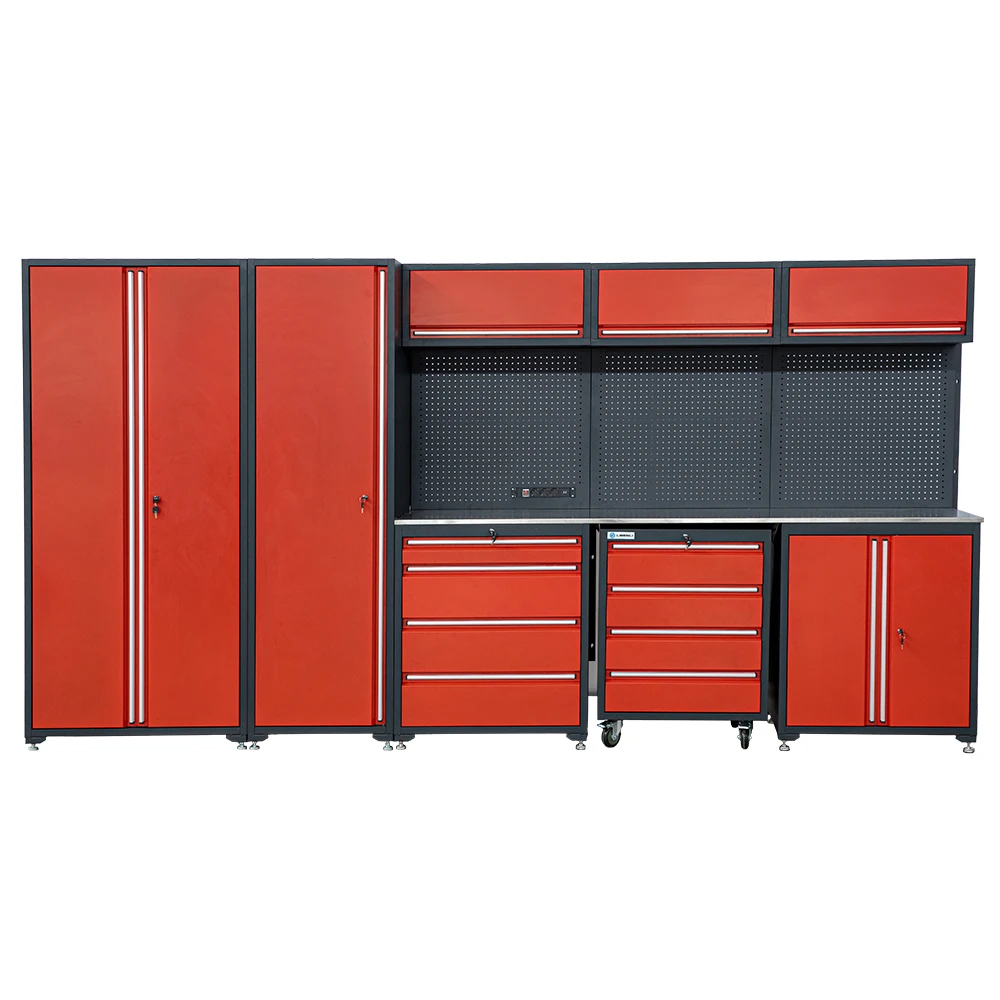
For the pilot, the team could place common hand tools in clearly identified drawers near the working surface and keep measuring tools in a separate protected area. Larger or infrequently used equipment might belong in an industrial metal cabinet rather than in the chest. The division depends on actual dimensions, handling requirements and the way the team works; no particular cabinet configuration is assumed here.
Labels can name the tool group and its return location. A printed layout or insert may help users notice an empty position, provided it can be updated when tools change. Avoid grouping tools solely because they fit in the same drawer: a clean storage map should make the next action obvious to someone on another shift.
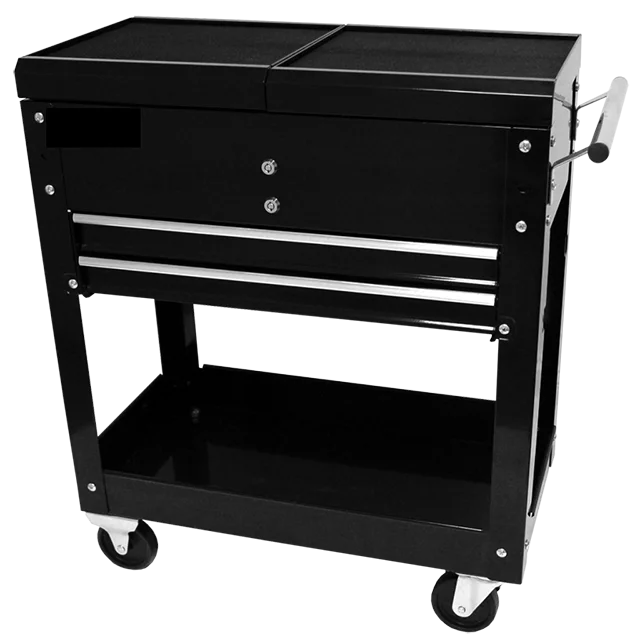
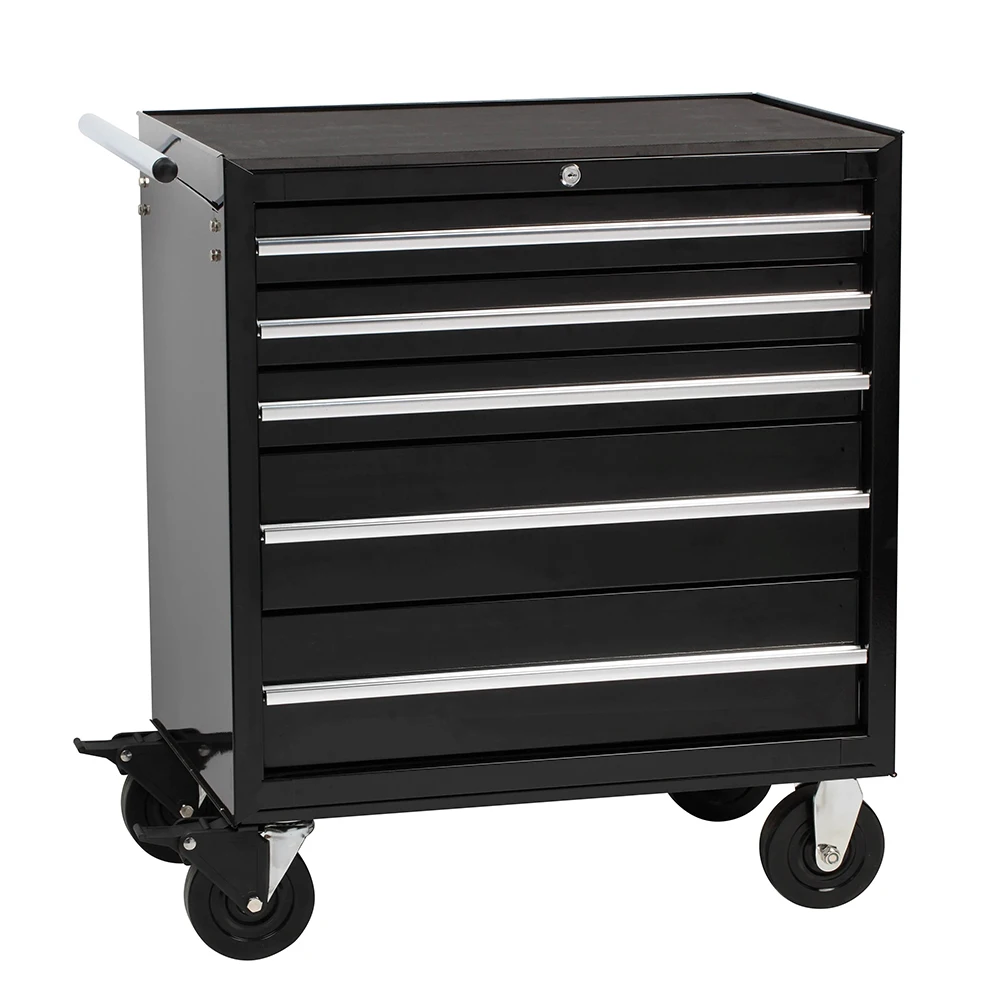
If the factory is considering a workshop tool chest with wheels, check the route, floor condition, parking position and the supplier’s instructions for movement and restraint. For any unit, request confirmed drawer dimensions, load information, stability guidance and opening clearance. Do not infer those specifications from a photograph or from a product name. The site should also check whether its intended placement and use meet its own safety requirements.
When a brand prepares an OEM brief
A tool-storage brand can turn this scenario into questions for a manufacturer. Describe the intended users, tool groups, approximate installation space and whether the unit is stationary or mobile. Then list the drawer arrangement, finish, labeling, packaging and brand-mark requirements that need review. Distinguish mandatory needs from options; a supplier can respond more meaningfully when the scope is clear.
Haiyang Libenli’s merchant profile describes sheet-metal processing and customized solutions. A brand considering a workshop tool chest can use that context to begin a configuration discussion, while asking for drawings, sample details and written confirmation of any proposed feature. The profile alone does not establish the specifications, certification or performance of a particular product.
Test the plan before describing results
A real factory could agree on a baseline before changing its storage. For example, select a defined set of routine tasks, record how tool access is observed, and note missing or misplaced items using the same definitions across shifts. After a trial, repeat the observations under comparable conditions and record other changes that may affect the comparison. No before-and-after figures are supplied for this hypothetical example.
Review more than speed. Ask whether people can reach and return tools comfortably, whether shared ownership is clear, and whether the chest obstructs a route. Check damaged tools and changes in the inventory as well. If the results are mixed, revise the drawer map or placement and repeat the review. A workshop tool chest is one element of a wider system, not a substitute for training or an agreed return process.
Questions to carry into the next project
- Which tasks and tools should the pilot cover, and who will use the area?
- Where will each item be stored, returned, inspected or sent for repair?
- What space, load, movement and access details require supplier confirmation?
- How will the team maintain labels and update the layout across shifts?
- What evidence would support a claim that the change helped?
Use these questions to build a brief around real conditions. A workshop tool chest may become a useful part of a factory’s organization plan, but a credible transformation story starts with a defined baseline, documented decisions and results collected after implementation.
 Hot News
