 EN

Why Global Distributors Order Our 72 Inch Tool Chest?
For a distributor assessing a 72 inch tool chest, the useful question is not simply whether a large cabinet looks right in a catalog. It is whether the proposed configuration, supply scope, and documentation match the needs of the market it will serve. The title raises a sourcing question; it does not establish that any particular distributor has placed an order. The points below are a buyer's framework, not a customer case study or a record of past sales.
Haiyang Libenli Metal & Technology Co., Ltd. describes its business in terms of sheet-metal and pipe processing, metal furniture, and customized solutions. For a tool-storage brand looking at a possible manufacturing partner, that background offers a starting point for a discussion. Specific product availability, production scope, and commercial terms still need to be confirmed for the project.
Start with the range the distributor intends to sell
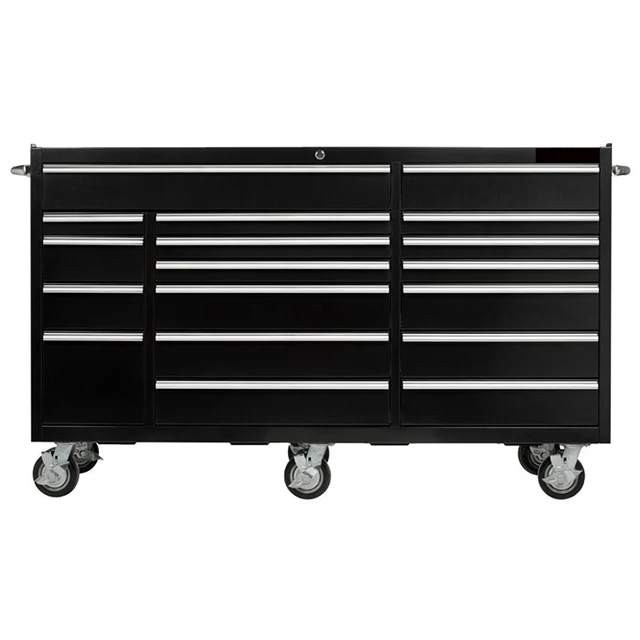
A 72 inch tool chest can serve different positions in a product range. A buyer may be considering a workshop storage unit, a mobile format, or a chest paired with a separate base. These are descriptions of possible briefs, not a list of configurations confirmed for this manufacturer. Before asking for a quote, define who will use the unit, where it will sit, and which tools it must accommodate.
Draw a simple map of the end user's workflow. Long tools may need a different drawer layout from small hand tools and accessories. Ask whether the user needs a work surface, a locking arrangement, or movement between work areas. Each choice should appear in the inquiry as a requirement to assess rather than as an assumed feature.
A nominal 72 inches converts to 1,828.8 millimeters, using the exact conversion of 25.4 millimeters per inch. That conversion is useful when teams exchange drawings across markets, but it does not establish the actual width of a particular unit. Ask for confirmed overall dimensions, the measurement points, tolerances, and the clearance needed for drawers, handles, or any requested wheels.
Turn the OEM metal cabinet brief into a reviewable specification
The phrase OEM metal cabinet is only a starting point. Two products described with the same phrase can differ in their intended use, component layout, finish, and supplied accessories. For a 72 inch tool chest, it helps to separate mandatory requirements from options that can be discussed after the initial feasibility review.
- Body and layout: provide target external dimensions, expected drawer arrangement, usable drawer space, and any preferred materials or construction details.
- Hardware: identify the intended slides, handles, locks, and, if relevant, wheels. Ask which details are available for the proposed design.
- Finish and identity: define the desired color, surface finish, logo placement, and artwork files; request a sample or documented approval method.
- Use and evidence: state intended use and requested load ratings, then ask for the relevant specifications and verification records. Do not infer capacity from the product name.
- Delivery scope: list packaging, labeling, instructions, spare parts, destination, and any documents the market requires.
Where a requirement is still undecided, mark it as open. An incomplete but honest brief is more useful than a list of specifications copied from an unrelated product. The manufacturer can then explain what needs further review before a quotation or sample is agreed.
What turnkey customization should mean in an inquiry
Buyers sometimes use turnkey customization to describe a broad request covering design, branding, packaging, and delivery. The phrase alone does not establish which services a supplier provides. For a 72 inch tool chest project, ask both parties to define the scope in writing: who supplies drawings, who approves revisions, what the quoted configuration includes, and which activities are outside it.
Start with a specification sheet and annotated artwork. Then agree on how proposed changes will be communicated, how a sample will be assessed if one is offered, and which version becomes the basis for a purchase order. A color change, a new handle, and a revised drawer layout may require different reviews. Do not assume that the same lead time, minimum quantity, tooling arrangement, or price applies to each change; request terms for the actual brief.
This approach also keeps sales claims in step with the product. If a catalog needs a drawer load figure or a statement about corrosion resistance, ask for evidence that covers the proposed configuration and test conditions. If the evidence is not available, leave the statement out until it is verified.
Compare proposals on the same commercial scope
When sourcing a 72 inch tool chest from more than one manufacturer, align the comparison before looking at quoted prices. Record the requested configuration, included hardware, finish, packaging, quantity, delivery terms, and destination for each proposal. A lower figure may simply reflect a different scope; a higher figure may include a component or service missing elsewhere.
Also identify what remains subject to confirmation. Request an itemized response where practical, including sample charges, tooling responsibilities, payment terms, and estimated timing. None of these terms should be treated as established until the supplier confirms them. For cross-border business, the buyer should check the applicable import, labeling, and product requirements for the destination rather than assume a single rule applies everywhere.
Plan inspection and shipment before approving the design
A wide storage unit may need careful planning for warehouse handling and delivery. Ask for the packed dimensions and weight once they are available, the proposed protective packaging, and the handling instructions. Confirm whether the quotation covers assembly or whether parts arrive separately. Check access routes and unloading arrangements at the receiving site, including doors and available equipment.
For a 72 inch tool chest, an inspection plan can distinguish appearance from function. Agree which dimensions, finish points, drawer operation, and included components will be checked against the approved specification. If stability or load performance matters to the intended market, specify the evaluation method and request the resulting evidence. Follow the approved instructions for use; do not assume that a photograph establishes safe loading or operation.
A practical next step for distributors
Prepare one document that lists the target user, required dimensions, drawer needs, proposed branding, quantity, destination, and unresolved questions. Attach drawings or reference images that you have permission to share. If turnkey customization is part of the request, describe the exact work expected rather than relying on the label. For an OEM metal cabinet discussion, include the documents needed to evaluate the proposed configuration and the target market.
Haiyang Libenli's company website provides a starting point for a manufacturing inquiry. Share the brief and ask which parts can be supported, what evidence is available, and what commercial terms apply. Whether a 72 inch tool chest is suitable for a distribution range depends on those confirmed answers, not on a presumed order history.
 Hot News
