 EN

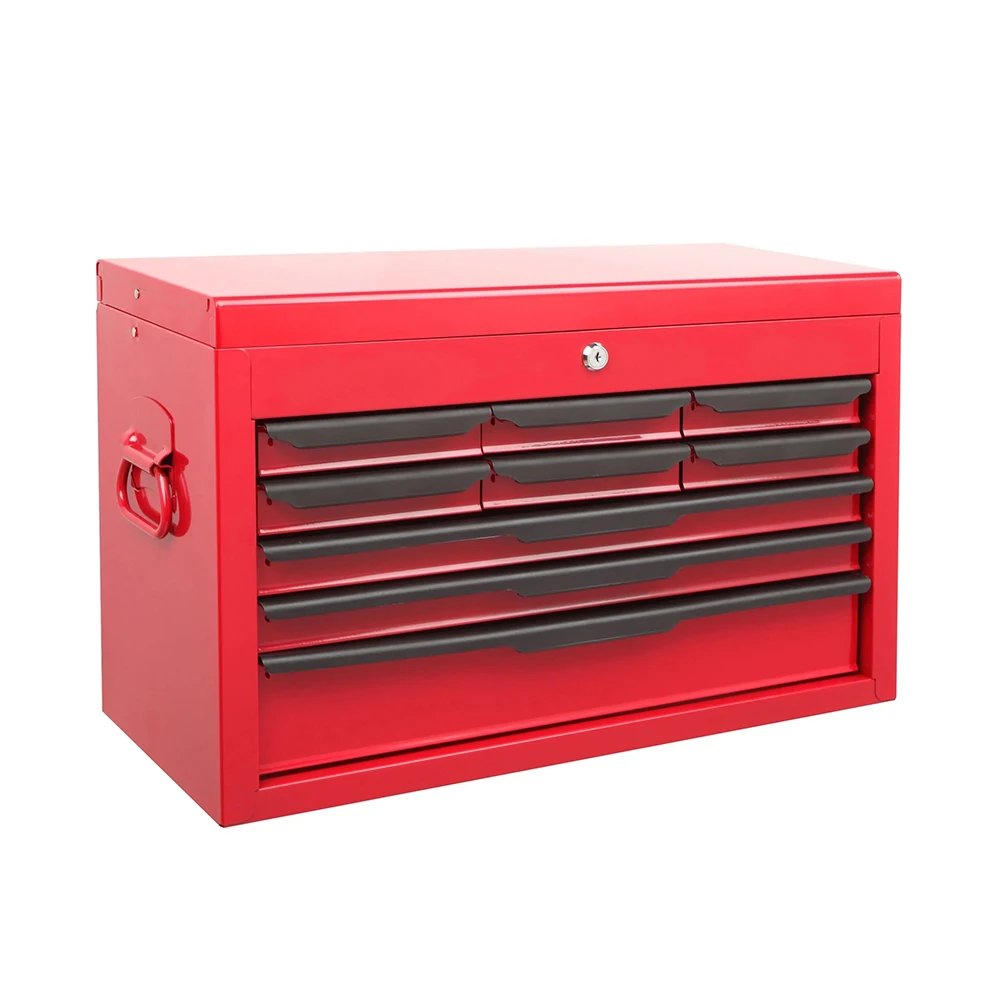
Product Overview of Our Heavy Gauge Industrial Tool Box
An industrial tool box is more than a metal container with a lid. For a tool-storage brand, it is a product concept that must connect the tool mix, access pattern, factory process, finish expectation, and packaging brief. This overview explains how to assess a heavy-gauge industrial tool box without turning a broad label into an unsupported specification.
Start with what “heavy gauge” needs to mean
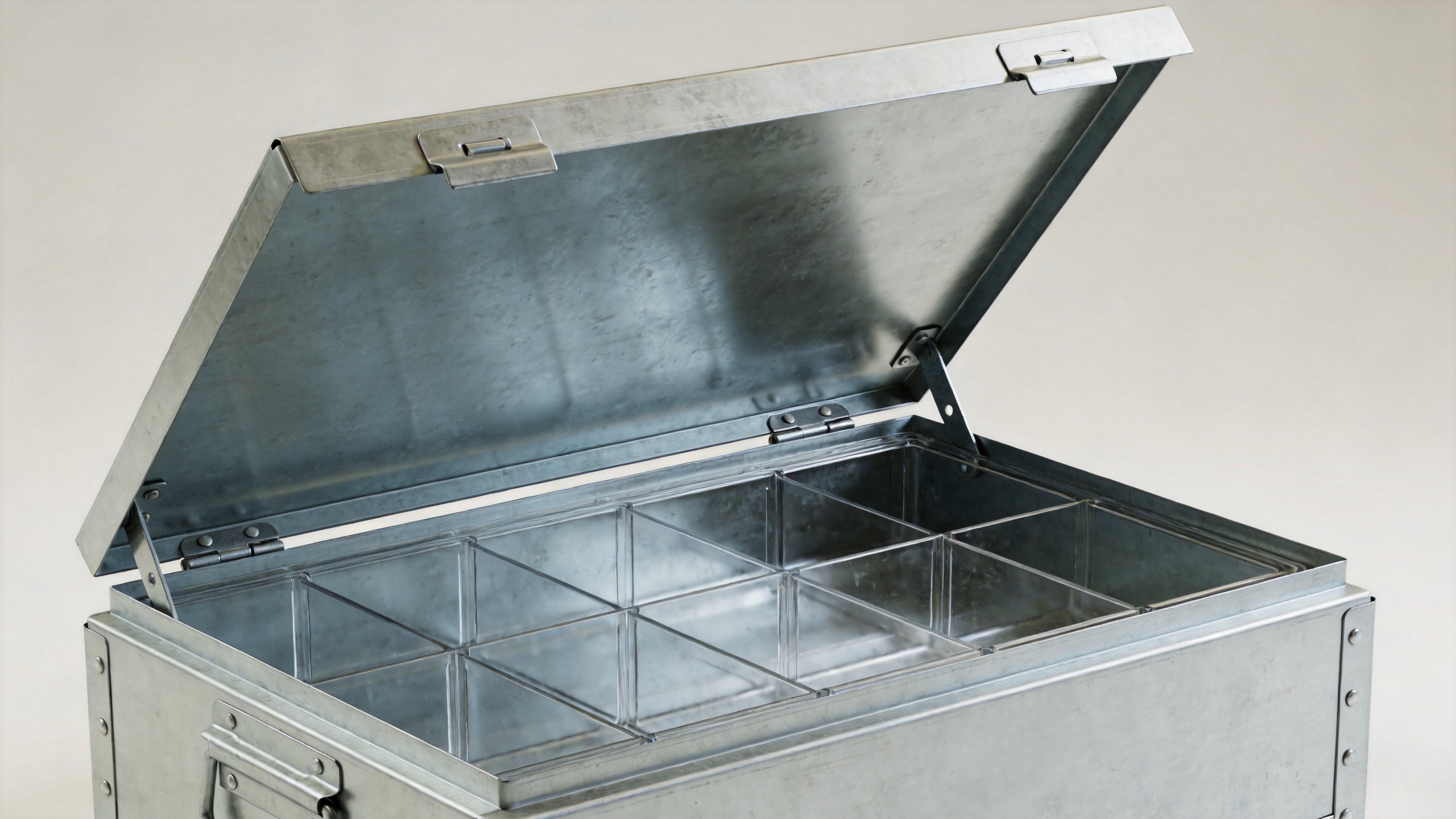
Heavy gauge is often used as a shorthand for a substantial metal build. It is useful language only when the project team turns it into checkable details. For an industrial tool box, ask for the material grade, sheet thickness by component, formed edges, lid or drawer reinforcement, hinge arrangement, weld locations, and the drawings that control those choices. A single thickness figure does not describe every part of a box, and a strong-looking exterior does not settle questions about load distribution or daily handling.
That distinction matters for OEM sourcing. A brand may need an industrial tool box for bench-side hand tools, maintenance supplies, vehicle use, or a shared work area. Each context can change the useful footprint, opening style, internal divider plan, and carrying or mounting requirements. Rather than asking for a generic heavy-duty claim, create a short requirements matrix before quotation.
Read the construction as a system
For a sheet-metal planner, the practical review starts with the sequence of use: open, identify, retrieve, work, return, and secure. An industrial tool box should support that sequence through its layout, not merely offer empty volume. Consider whether the lid clearance suits the installation location, whether dividers match the actual tool groups, and whether the chosen access method will make frequently used items easy to distinguish.
Construction review should also separate known facts from items to confirm. The merchant profile supports a background in precision sheet-metal processing, metal furniture, stamping parts, and customized solutions. It does not by itself establish the material, thickness, fastening method, or capacity of a particular industrial tool box. Product-specific statements belong in an approved drawing, sample review, inspection plan, or specification sheet.
Where robotic welding fits into the discussion
Robotic welding can be relevant when joint geometry is repeatable and planned volumes justify a consistent fabrication route. It is not a badge that should be added to every metal-storage description. For an industrial tool box, the buyer can ask which joints are welded, how the joint design is controlled, what visual or dimensional checks apply, and whether the intended production route has been approved for that configuration. If robotic welding is requested, document it as a process requirement and confirm its applicability during engineering review.
Specify the finish as a requirement, not an assumption
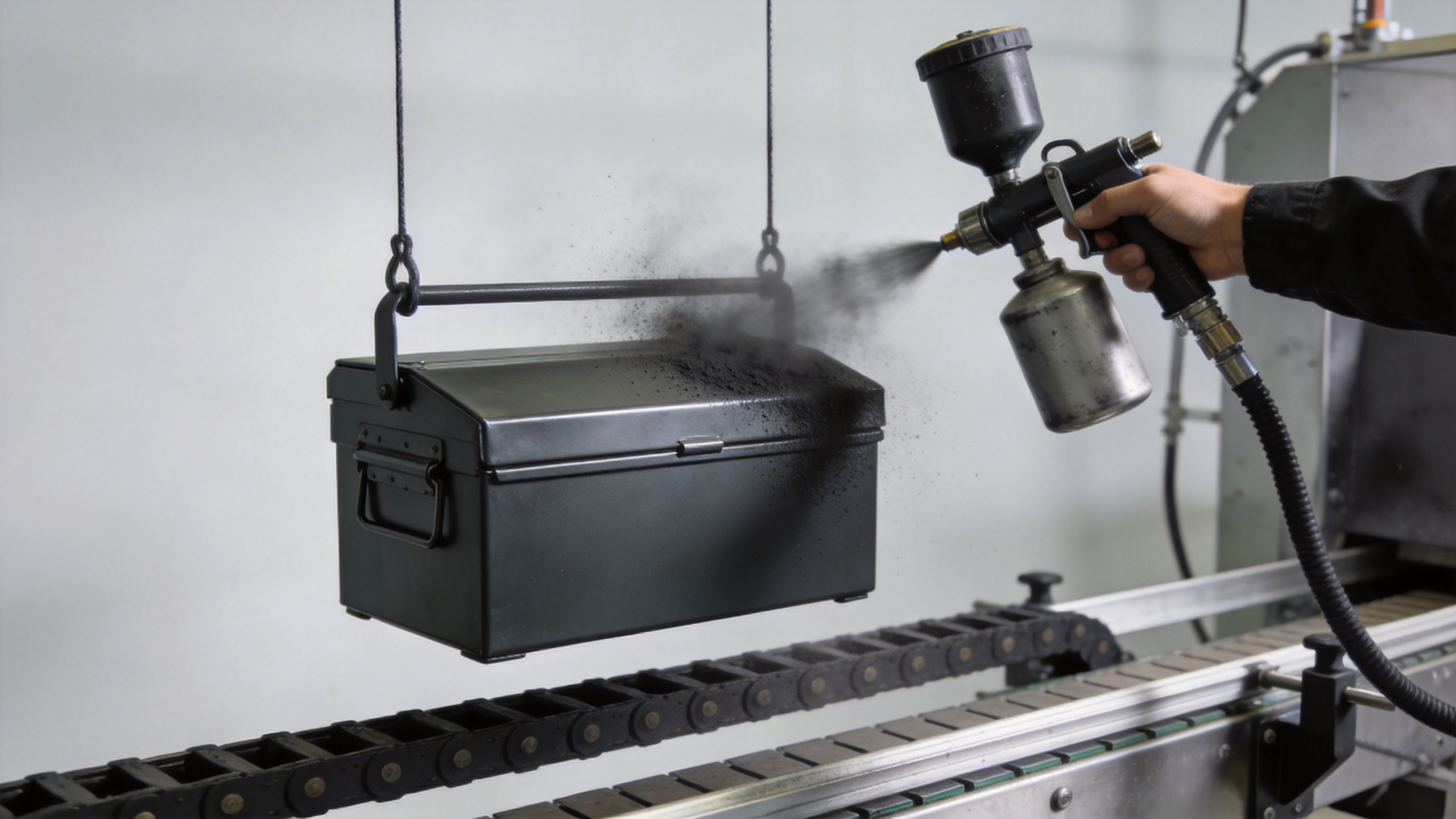
An electrostatic powder coat is commonly discussed because charged powder is applied to a grounded metal surface before the heated finishing stage. That general process does not confirm a finish on any one industrial tool box. A useful brief identifies the color reference, gloss or texture expectation, surface preparation, coating areas, masking points, thermal-process requirements, and the test method or acceptance criteria needed for the intended environment.
In other words, a finish request needs both appearance and use context. Ask whether the industrial tool box will face indoor workshop dust, periodic moisture exposure, frequent wiping, transport contact, or branding requirements. The answer guides the review, but it should not be converted into a corrosion, scratch, or chemical-resistance promise without matching evidence for the actual coating system and product configuration.
Choose the format around access, not category names
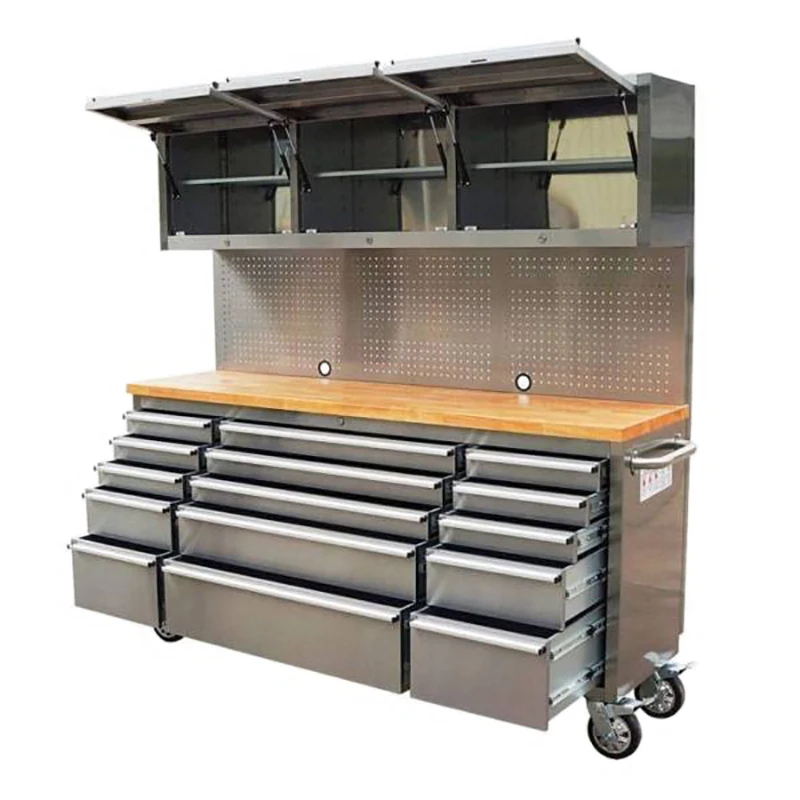
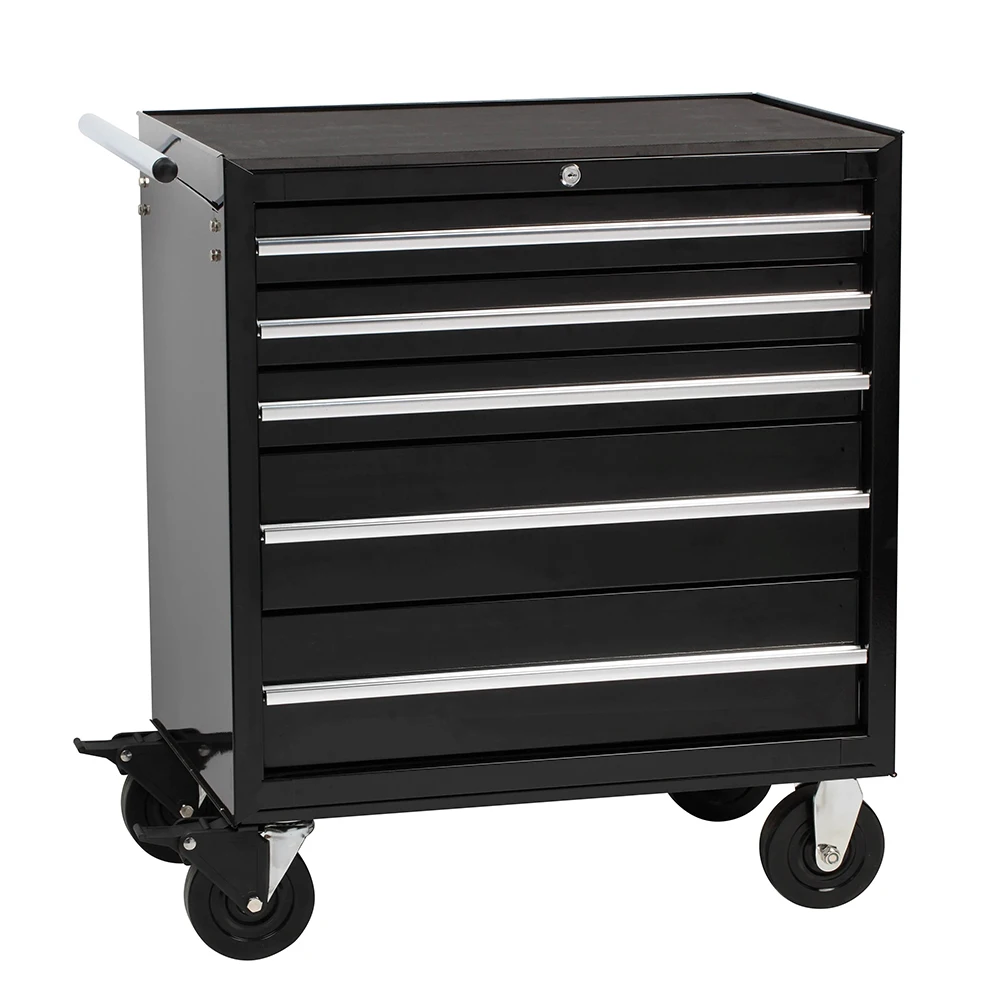
Search results often group boxes, chests, cabinets, carts, and workstations together. That is helpful for orientation, yet these formats solve different access problems. A compact industrial tool box can keep a defined tool kit close to a task. A drawer cabinet may suit visible grouping across many tool types. A cart may suit movement between zones, while a fixed cabinet may suit reserve storage. The right choice depends on the workflow, aisle conditions, tool dimensions, and who returns the items after use.
A simple review question is: which items must be reached first, and which can remain in reserve? Use that answer to set compartment sizes and opening direction. Bigger is not automatically more useful; an industrial tool box that fits the daily loop can be easier to manage than a larger unit with mixed, hard-to-find contents.
A practical OEM brief for an industrial tool box
When comparing suppliers, organize the brief so quotations describe the same scope. Include the following items for each industrial tool box concept:
- Intended tools, approximate arrangement, and access frequency.
- Overall dimensions, component-level material requirements, and drawing revision control.
- Lid, door, drawer, hinge, handle, divider, lock, and mounting requirements where applicable.
- Requested fabrication route, including whether robotic welding is required for defined joints.
- Finish requirements, including any electrostatic powder coat color, texture, preparation, and acceptance criteria.
- Branding, packaging, labeling, sample approval, and inspection-document needs.
This approach makes customization concrete. It also gives the manufacturing team a clearer basis for deciding what is standard, what needs engineering review, and what must be validated before production.
What to confirm before presenting the product
A credible product overview should leave room for confirmation. Before publishing or approving an industrial tool box, request the current drawing, material callouts, finish sample or approved panel, assembly details, packaging scope, and any applicable inspection records. If the product will be marketed for a particular industry or destination, confirm the relevant requirements rather than implying a universal compliance position.
Haiyang Libenli Metal & Technology Co., Ltd. can begin the discussion from its sheet-metal and customized-solution context. The next useful step is a reviewable brief: share the tool list, workspace conditions, desired construction details, finish expectations, and brand requirements. That gives an industrial tool box project a clearer path from concept to verified specification.
 Hot News
