 EN

Telecom Field Project Case Using a Modular Tool Box
Illustrative configuration case: This walkthrough is not a claim about a named customer or a field-test result. It shows how a telecom service team can use a modular tool box brief to turn a mixed kit into a clearer vehicle-to-site workflow. From a metal-storage design advisor’s view, the starting point is not the outer shell. It is the sequence of reaching, carrying, using, and returning equipment during a call.
The field problem: a mixed kit changes from job to job
A technician may move between indoor termination work, roadside cabinets, rooftop access, and fault isolation. The kit can include hand tools, test leads, small connectors, labels, fasteners, safety items, paperwork, and a few task-specific parts. These groups do not need the same kind of access. Capacity is not the only question; the more useful question is how quickly daily-use items can be retrieved and returned without mixing with small consumables.
In an illustrative project brief, the team initially described a larger box with more room. That sounds straightforward, but the next question is how equipment actually moves through the workday. A single deep compartment may suit bulky items, while it can make small fittings or adapters harder to separate. The decision changed once the modular tool box was treated as one part of a mobile storage system rather than as one container.
Step 1: map the access flow before choosing modules
The planning conversation began with three access zones. The first zone held items used at the start of almost every visit: basic hand tools, identification labels, and a small set of frequently checked accessories. The second zone held task-specific testers and leads that should remain grouped, not loose among hardware. The third zone held replenishment items and less-frequent tools that could stay in the vehicle until needed.
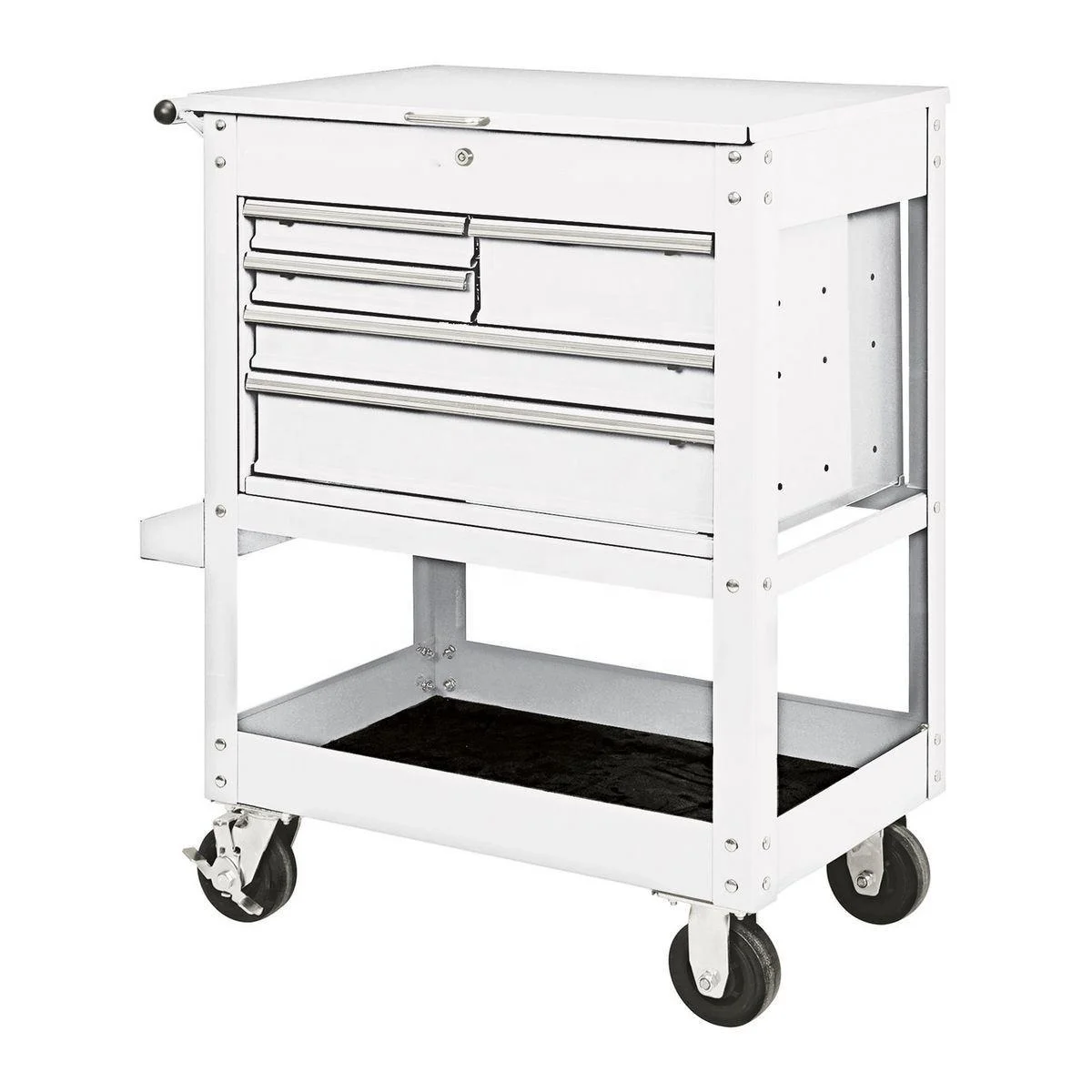
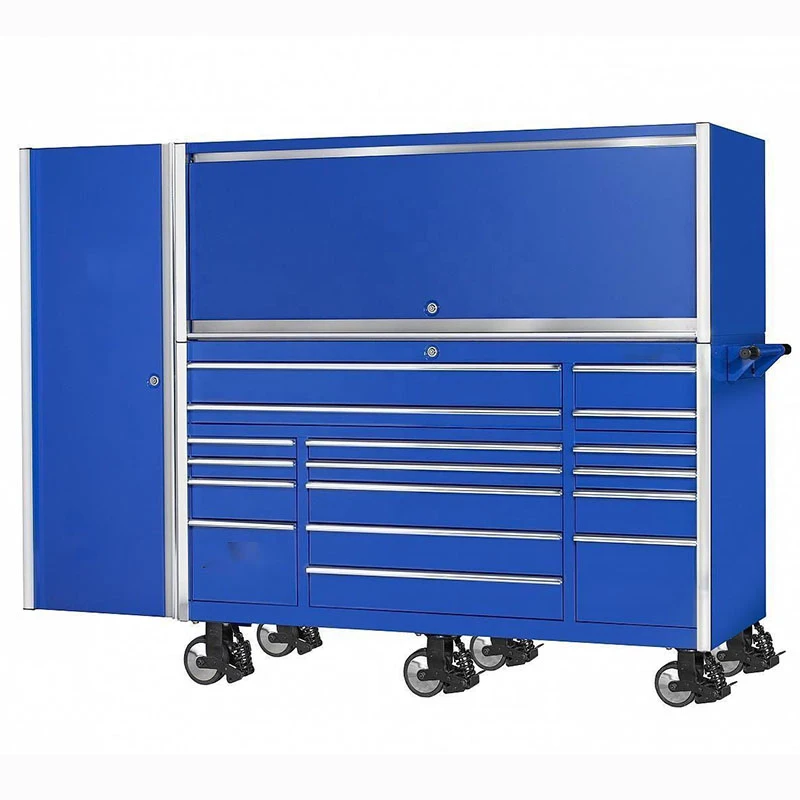
This map makes a modular tool box easier to define. The day-carry portion should be practical to take from the vehicle to the work point. The reserve portion can remain staged. If the team often works close to the vehicle, several connected modules may make sense. If access requires stairs, access points, or longer walks, a smaller carried module and a separate reserve module may be more appropriate. The better fit depends on the route and task mix, not on a blanket ranking.
Step 2: specify custom interior dividers as a retrieval plan
For this case, custom interior dividers were discussed as a way to define item families, not as decoration. A useful divider brief identifies what must stay together, what must stay apart, and what may change between jobs. For example, one removable section can be planned for small connectors and labels, while a longer section may hold hand tools or protected leads. Divider positions should be reviewed against the actual kit layout before production because the required spacing depends on the supplied items.
- Group by task: keep items that are picked together in the same accessible area.
- Separate small hardware: use labeled sections so replenishment can be checked visually.
- Allow changes: where the kit varies by project, removable or adjustable custom interior dividers can make later rearrangement easier to review.
- Confirm clearances: check that covers, drawers, handles, and any retained equipment have adequate room in the proposed layout.
This is not really a question of creating the most compartments; more accurately, it is a question of creating the most usable retrieval sequence. A supplier review should confirm divider material, attachment method, edge treatment, module dimensions, and the actual contents before a configuration is finalized.
Step 3: use portable design to manage the vehicle-to-site handoff
A portable design matters when the work area is not beside the service vehicle. In the illustrative setup, the team wanted the primary module to move with the technician while the reserve module stayed staged. This approach can reduce unnecessary carrying only when the day-carry module is deliberately limited to the tools and consumables needed for a defined task. It should not be treated as evidence of a specific time saving or load capability without verified project data.
At this point, check the handling routine rather than relying on general descriptions. Can the module be opened where the technician works? Are labels visible from the normal access side? Does the layout support returning used tools before the next move? Is the portable design still workable when gloves or other site requirements are involved? These questions keep the specification tied to field conditions.
Step 4: turn the idea into a reviewable modular tool box brief
For brands or procurement teams sourcing metal storage, the practical value of a modular tool box concept is a more complete brief. Sheet-metal fabrication and custom solution discussions become clearer after the configuration is defined. Rather than requesting a generic toolbox, the team can document which modules are vehicle-staged, which one is carried, what the interior groups contain, and which details need drawing confirmation.
| Review point | Question for the telecom field workflow | Why it belongs in the brief |
|---|---|---|
| Module roles | Which module travels to the work point, and which remains as reserve? | Connects storage format to the access route. |
| Interior layout | Which items require custom interior dividers or labeled sections? | Prevents a capacity-only specification. |
| Portable design | How will the primary module be handled during a normal call? | Tests the vehicle-to-site handoff. |
| Change control | Which item groups may change between contracts or maintenance programs? | Clarifies whether adjustable sections are worth reviewing. |
| Verification | Which drawings, finish choices, packaging needs, and item samples must be confirmed? | Makes supplier quotations easier to compare. |
What this case does—and does not—show
This illustrative case shows a configuration method for a telecom field project: begin with access flow, assign module roles, map contents, then review dividers and handling details. It does not establish that one layout fits every crew, nor does it claim verified load ratings, weather resistance, or productivity outcomes. Those points require product specifications and project-specific validation.
If the tool mix changes often, a modular layout may be worth reviewing; if it is stable, a simpler fixed arrangement can be clearer. The next useful step is to document a representative kit and route, then use it to evaluate the modular tool box, the needed custom interior dividers, and the required portable design. That gives both the field team and the supplier a practical basis for configuration review.

 Hot News
