 EN

Why Racing Pit Crews Demand a Custom Automotive Tool Box?
A pit crew does not approach an automotive tool box as a place to put spare tools. It is part of the working sequence: locate the right item, bring it to the vehicle, use it, and return it without creating confusion for the next task. In a race environment, small delays can become disruptive because several people may be working in a tight space at once. That is why a custom automotive tool box is often planned around access flow, tool groups, and movement instead of a generic drawer count.
From a workshop-organization perspective, the useful question is not whether a box holds the most equipment. It is whether the automotive tool box supports the crew’s next move without forcing a search, a detour, or an awkward handoff. A custom brief gives a team or brand a way to turn that question into reviewable details.
Racing work is organized by task sequence, not by storage volume
In a pit setting, tools are normally needed in patterns. One group may support wheel work, another may be used for fast checks, and another may be reserved for less frequent adjustments. A standard storage layout can be workable, but it may not match the order in which people reach, carry, and return equipment. The decision changes when an automotive tool box is treated as part of a workflow system rather than an isolated product.
Start by mapping the repeated jobs and the people who perform them. Mark which tools are picked up most often, which need to travel with a crew member, and which must stay protected until needed. This simple exercise often shows why two boxes with similar outside dimensions can serve a pit crew very differently.
High speed drawer access is a layout requirement
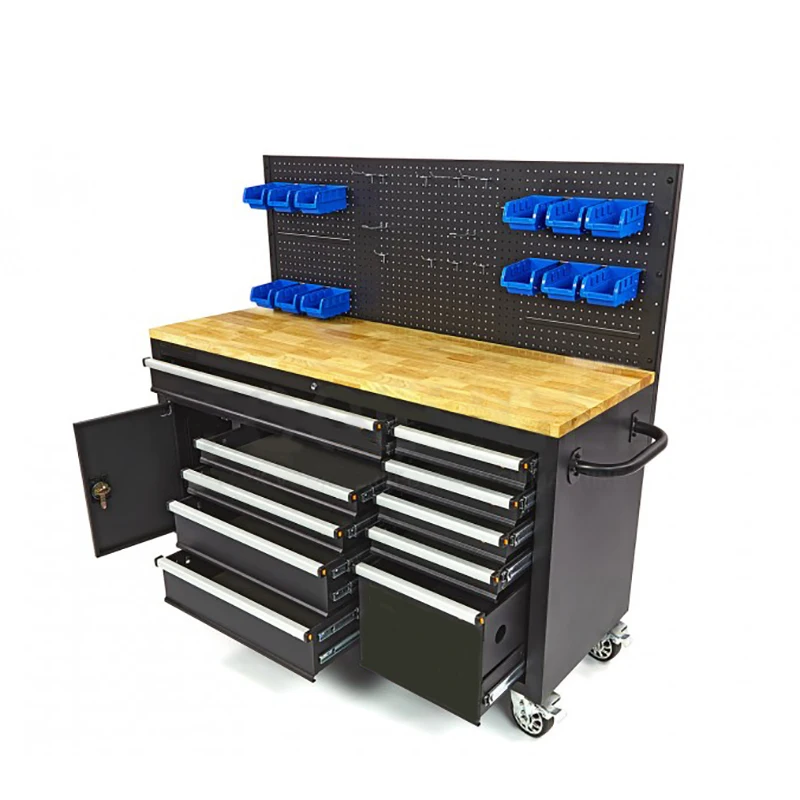
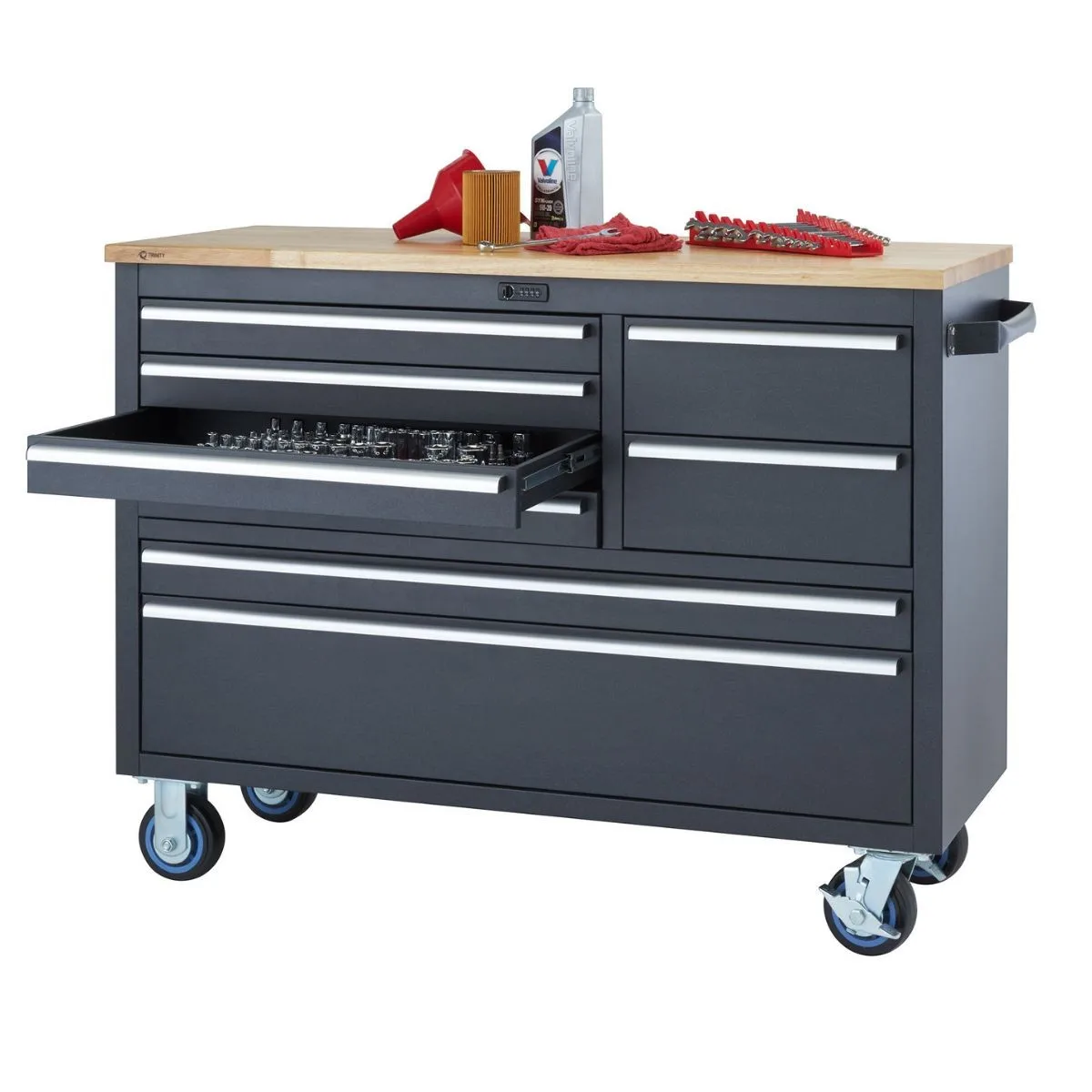
High speed drawer access is less about a dramatic feature claim and more about reducing avoidable decisions. Frequently used hand tools should have a stable, clearly assigned location. Drawer depth, divider layout, handle position, slide behavior, and clearance all matter because the crew has to open, identify, remove, and close the drawer in a repeatable way.
Capacity was not the only question; the more useful question was how quickly daily-use tools could be retrieved and returned. For an automotive tool box intended for race support, a configuration review can separate shallow drawers for compact, frequently handled items from deeper space for bulkier equipment. The exact arrangement depends on the confirmed tool inventory, so it should be reviewed against actual tools rather than inferred from a product photo.
What to define in the drawer brief
- Tool groups and their use frequency during a pit session
- Approximate tool dimensions and whether dividers or liners are needed
- Which drawers must remain accessible when another crew member is beside the box
- Whether a closed drawer needs a retention or locking approach for transport
- Clear identification conventions that help every crew member return tools to the same place
These points turn high speed drawer access from a vague request into a set of configuration checks. If the tool mix changes often, modular dividers may be worth discussing; if it is stable, a simpler fixed arrangement can be clearer.
Mobility must match the route from garage to pit lane
A racing crew may need the automotive tool box to move across a garage floor, into a trailer, or toward a service position. That does not mean every mobile box needs the same wheel setup. The path, surface, thresholds, parking location, load distribution, and handling method shape the right choice.
Swivel casters can make sense when the box must change direction in confined work areas. Yet they should be considered alongside the required travel route and the way the unit will be stabilized when parked. A configuration discussion should clarify which casters steer, which wheels carry the expected load, how the unit is controlled on uneven surfaces, and what confirmation is needed for brakes or other parking measures. It is not really a question of choosing the biggest rolling unit; more accurately, it is a question of choosing a layout that can be positioned and used with confidence in the available space.
Customization helps separate access zones from storage zones
Not every item in an automotive tool box deserves the same placement. A custom layout can distinguish an immediate-access zone for routine jobs, a protected drawer group for precision items, and a deeper storage area for equipment used only at particular stages. That separation makes the crew’s system easier to explain, maintain, and revise.
For a metal-storage OEM brief, it is helpful to state the requested format before comparing quotations: overall footprint, drawer configuration, mobility needs, finish scope, identification method, branding requirements, and packaging expectations. Haiyang Libenli Metal & Technology Co., Ltd. presents sheet-metal processing, metal furniture, and customized solutions in its site profile; for a project-specific automotive tool box, the relevant next step is to confirm the drawing and configuration details rather than assume a standard unit fits every racing operation.
A practical custom automotive tool box checklist
- List the recurring tasks. Organize the brief around the work sequence, not only a general tool category.
- Inventory the equipment. Confirm dimensions, quantities, and which items need dedicated locations.
- Assign access priority. Place high-frequency tools where a crew member can reach them with minimal interference.
- Review mobility conditions. Define the route, surfaces, trailer loading process, and the role of swivel casters.
- Confirm construction and finish scope. Treat material, drawer slides, handles, locking approach, and finish as items to verify in a drawing or sample review.
- Plan the return routine. A well-organized automotive tool box works only when the crew can quickly restore each tool to its assigned position.
Why a custom approach fits pit crews
Pit crews demand a custom automotive tool box because their storage needs are tied to a live sequence of access, movement, and return. The right arrangement may include purposeful drawer zoning, high speed drawer access for recurring tasks, and swivel casters where maneuverability suits the actual route. None of these choices is universal. Their value depends on the team’s tool list, work area, transport routine, and confirmed configuration.
For brands or teams developing a race-support storage concept, begin with the workflow and turn each requirement into a reviewable detail. That creates a clearer path from a broad automotive tool box idea to a custom configuration that can be discussed with a manufacturer, checked against drawings, and refined before production.

 Hot News
