 EN

When Do Field Teams Rely on a Metal Rolling Tool Box?
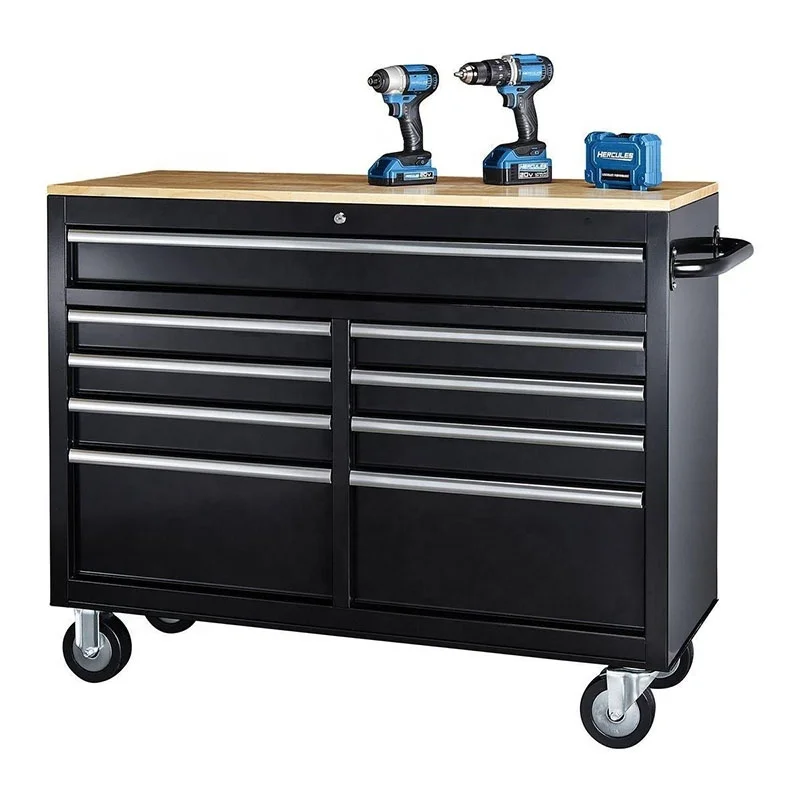
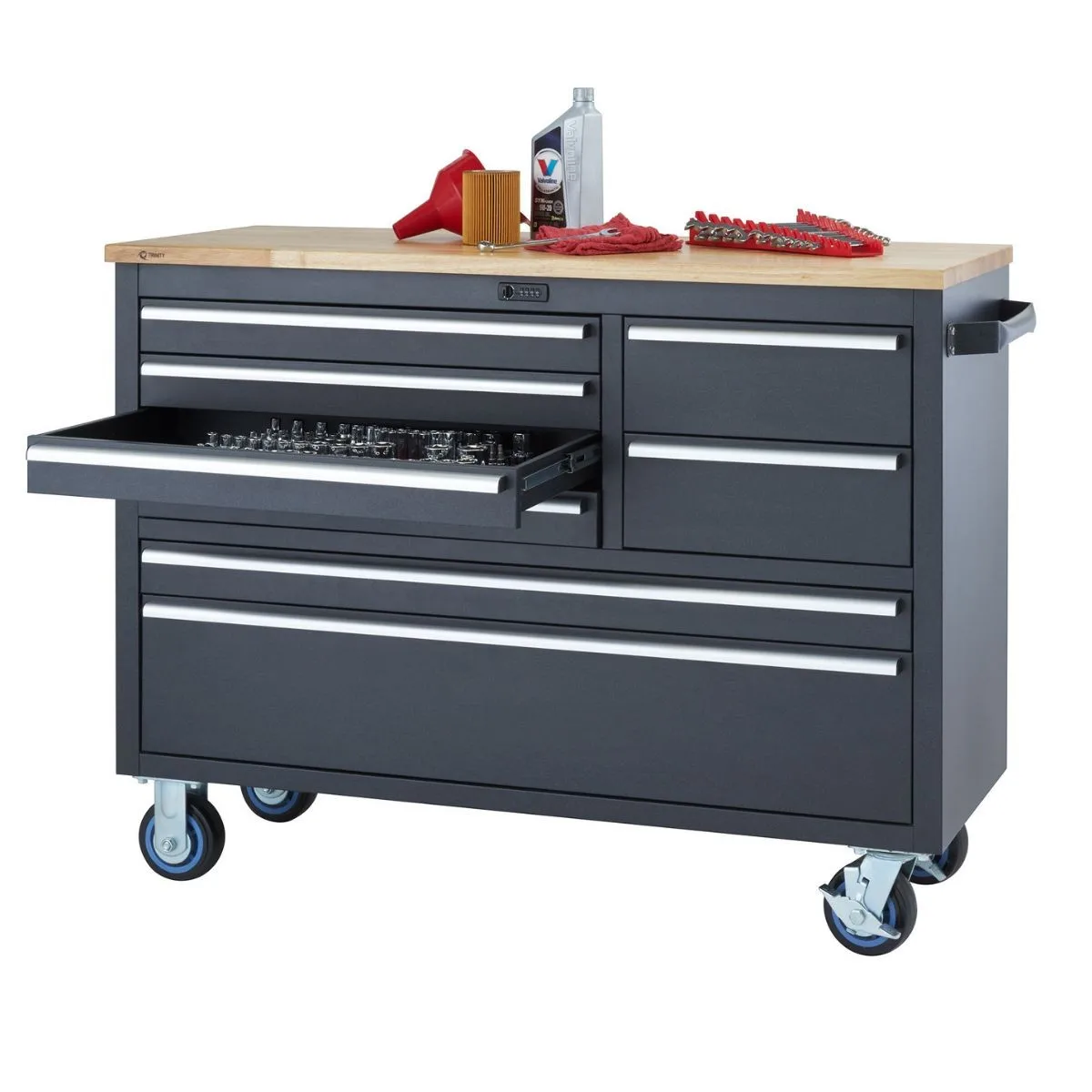
Field work changes the storage question. A rolling tool box is useful when technicians need a repeatable way to bring a known tool set from a vehicle or staging point to the task without carrying separate cases by hand. It is not simply a larger container on wheels. The useful question is whether the rolling tool box shortens the take-out, use, return, and move sequence for the actual crew.
From a workshop organization user’s view, the decision starts with access flow. A fixed cabinet suits tools that stay near one bench. A rolling tool box becomes relevant when the same tools travel between rooms, work zones, equipment, or temporary repair locations. Before choosing one, map what must move, how far it moves, and where it will sit while the work is under way.
Start with the field-work pattern
Teams usually rely on a rolling tool box when a job has recurring movement but still needs order. Maintenance crews may work across a facility; installers may move through a site; service teams may unload at different customer locations. In each case, loose bags and stacked hand cases create extra handling. A rolling tool box can keep frequently used groups together, provided its layout matches the route and task.
Mobility is not automatically useful. If the team works at one fixed station all day, a cabinet, chest, or bench drawer can be the clearer fit. A rolling tool box earns its place when movement is genuinely recurring and the route is practical. Think about thresholds, stairs, uneven ground, lift access, vehicle loading, and the parking position near the work. The goal is not maximum storage in theory, but useful access in the actual work area.
Five situations where a rolling tool box makes sense
1. The same core kit follows the technician
A rolling tool box works well when one technician or small team repeatedly needs the same hand tools, measuring tools, consumables, and small parts. Group daily-use items by sequence: tools needed first should be reachable first, while less frequent items can sit in lower or deeper compartments. Capacity alone does not establish suitability; retrieval and return still need review.
2. The work zone changes during the shift
For inspection, repair, installation, and commissioning work, a rolling tool box can act as a mobile home base. It lets the crew move a prepared kit rather than reassemble it at every stop. That sounds straightforward, but the next question is how tools actually move through the workspace. Aisles, doors, cables, and shared traffic may make a compact mobile arrangement more sensible than a large unit.
3. Heavy or awkward equipment should not be hand-carried repeatedly
When a tool set is burdensome to carry in separate loads, a rolling tool box may reduce repeated lifting and simplify the trip from vehicle to job. The final choice still depends on the confirmed load, wheel design, route, and handling instructions. Ask for the relevant drawing, sample detail, or approved specification before relying on a load or mobility claim in a purchase decision.
4. Site conditions call for a telescopic handle
A telescopic handle matters when the operator needs to pull a rolling tool box over a meaningful distance or alternate between storage and transport positions. The handle should be considered with wheel placement, the user’s pulling posture, and clearance in vehicles or narrow routes. Rather than treating a telescopic handle as a generic feature, test whether it reaches comfortably, stows cleanly, and feels appropriate for the planned route. Its construction and travel should be confirmed against the supplied specification.
5. Tools may wait in dusty or changeable conditions
A weather seal is worth reviewing when a rolling tool box may be exposed to dust, wind-driven moisture, or short periods outside a protected work area. A weather seal is not, by itself, a statement that the box is waterproof or suitable for every climate. Check what the seal is designed to address, how the lid closes, and whether a product-specific rating or test record is available. For sensitive instruments, also consider the storage procedure after the box returns indoors.
Metal construction: what field teams should evaluate
Metal construction can suit field storage when the team needs a defined, reviewable layout and a durable-looking enclosure for a tool program. However, “metal” is only the starting point. Confirm the sheet thickness, formed edges, weld or fastener approach, finish, drawer or lid arrangement, wheel connection, handle mounting, and locking needs for the proposed configuration. Haiyang Libenli Metal & Technology Co., Ltd. describes sheet-metal processing, stamping parts, metal furniture, and customized solutions; those capabilities provide relevant context for a discussion of configurable metal storage, but they do not establish the specifications of an unspecified rolling tool box.
For a sourcing or design brief, separate non-negotiables from preferences. The non-negotiables might include tool groups, route constraints, vehicle storage, access method, and the required weather seal review. Preferences may cover finish, color, labeling, divider layout, or the telescopic handle style. A custom request still needs a defined baseline for dimensions, components, and finish scope.
A simple field-readiness check
- List the daily kit. Identify what must travel in the rolling tool box on most calls.
- Walk the route. Include loading, doors, ramps, floor changes, and the place where the box will wait.
- Test access order. First group the tools, then assign a home zone, then test the take-out-and-return routine.
- Review mobility details. Confirm whether the telescopic handle, wheels, and parking arrangement suit the route.
- Review exposure. If the box may meet dust or rain, clarify what the weather seal covers and what evidence supports that statement.
- Turn open points into specifications. Request drawings, samples, or approved product data for claims that affect the decision.
Choose mobility only when it supports the next task
A rolling tool box is most useful when it helps a field team move a prepared tool set, maintain tool ownership, and return items to a predictable location between stops. It may be less suitable where stairs dominate, the route is too rough, or the tool mix remains permanently fixed at one station. The better fit depends on the work pattern, not on a blanket ranking.
Before finalizing a rolling tool box, ask one practical question: which tools need to be reached without interrupting the task in front of you? The answer will show whether the team needs mobility, a telescopic handle, a weather seal, internal organization, or a different storage format altogether.
 Hot News
