 EN

When Should Distributors Order Custom Metal Tool Cabinet?
For a distributor, the right time to order a custom metal tool cabinet is not simply when warehouse stock looks low. The decision should begin when demand signals, available inventory, open purchase orders, and the internal approval calendar can be reviewed together. That sounds straightforward, but a custom program also needs time for the product brief, finish and logo decisions, sample or drawing review where needed, and packaging alignment. Ordering only after a sales spike can leave the team trying to solve a planning problem with an incomplete specification.
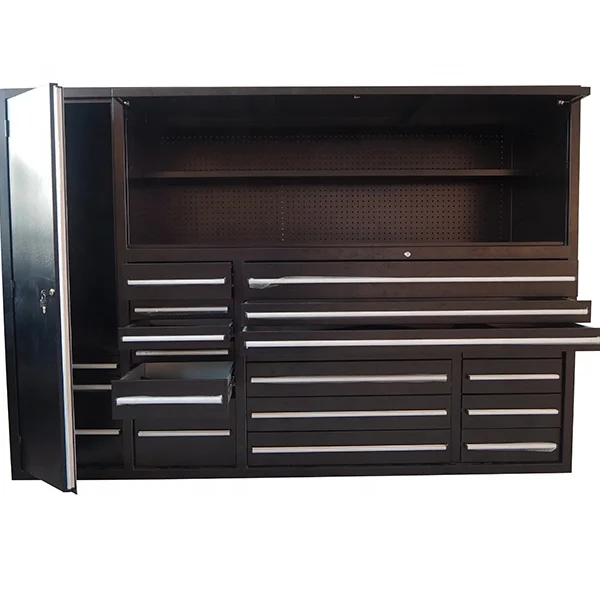
From an OEM brand procurement perspective, the practical objective is to turn a product brief into a repeatable, reviewable metal-storage configuration. A distributor may carry a metal tool cabinet for workshop, garage, service, or industrial customers, yet the mix of drawer access, cabinet storage, mobility, finish, and branding should match the intended line—not a generic checklist. The goal is not maximum inventory in theory, but useful availability for the actual selling season.
Start the Order Decision Before the Seasonal Inventory Peak
A useful trigger is the planning window before the expected demand period, when the distributor can still compare its forecast with on-hand stock and incoming orders. Seasonal inventory should be treated as a working forecast, not a guess. Review prior sales by customer type, the current inventory position, committed orders, and the service level the business wants to maintain. This creates a clearer answer to two separate questions: how many standard units may be needed, and which custom metal tool cabinet configurations need an earlier decision.
Do not wait for every signal to become certain. Instead, set a review date at which the commercial team, purchasing team, and product owner decide whether the demand evidence supports moving the project forward. The earlier review is especially helpful when the product line needs a color, logo, drawer layout, label, or packaging change. Each added decision can create an approval dependency, even when the physical cabinet concept is familiar.
- Compare forecast demand with available and committed inventory.
- Separate recurring lines from promotional, launch, or customer-specific demand.
- Identify which configurations are standard replenishment and which are custom requests.
- Set an internal decision date for artwork, finish, packaging, and product-data approval.
Use Demand Signals, Not a Single Stock Number
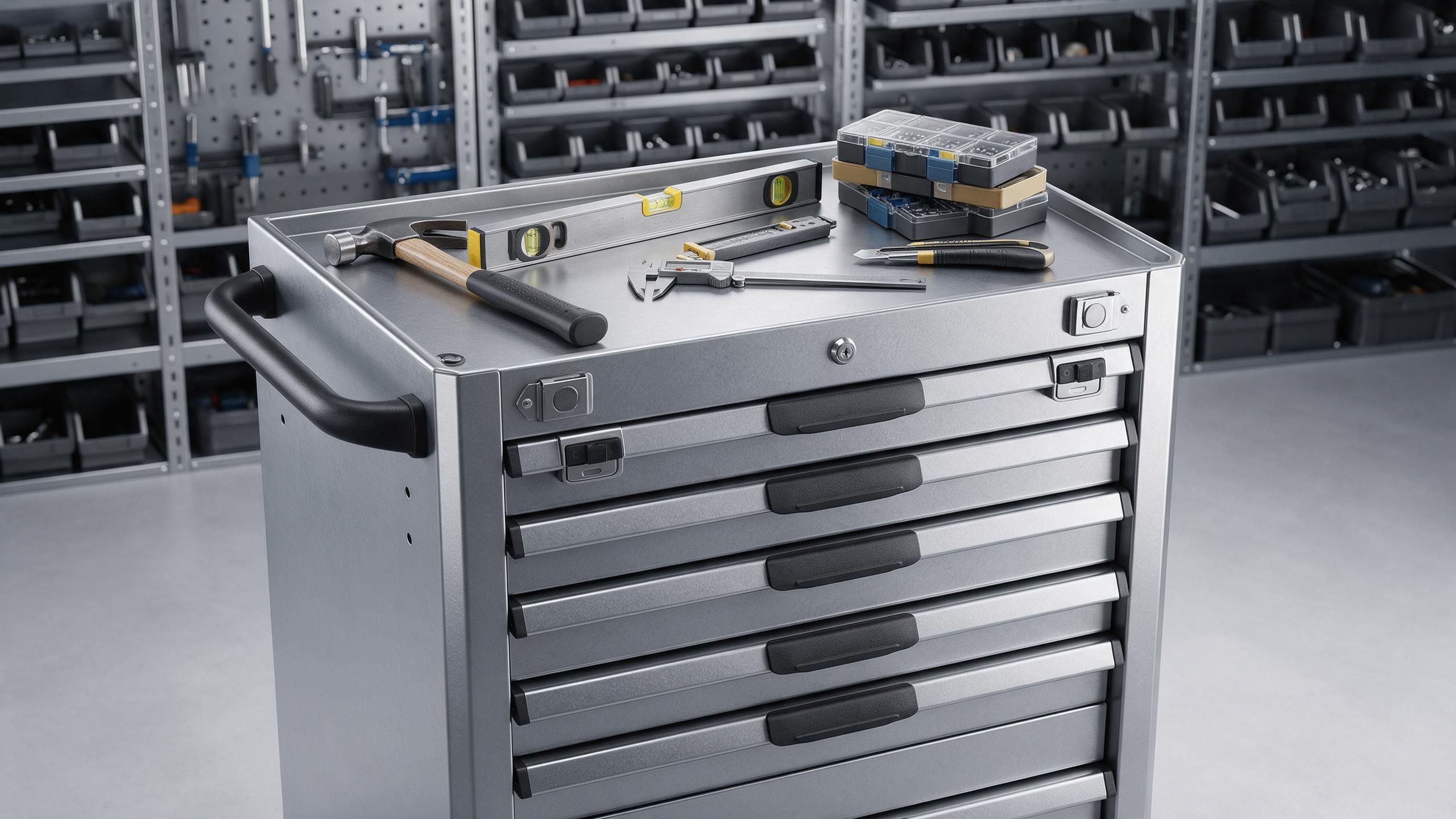
Inventory planning is stronger when it combines several signals. Current warehouse quantity matters, but it does not show stock already reserved for customers, orders already in transit, or a rising pattern from a specific dealer group. For a metal tool cabinet range, look at the mix as well as the total: a cabinet intended for frequent-access tools may sell differently from a taller unit used for reserve storage. Which tools or customer needs must be served without interrupting a busy selling period?
Build a simple demand view with three categories: confirmed demand, likely seasonal demand, and demand that depends on a campaign or a new OEM presentation. This gives the team a defensible conversation about inventory exposure. It also avoids treating every item in the range as equally urgent. A cabinet can have a place in the catalog without being the first configuration to commit to for the next replenishment cycle.
Order Custom Versions When the Brand Brief Is Stable Enough to Review
OEM branding should be planned as part of the order decision, not added after purchasing has already selected the base configuration. Before releasing a custom metal tool cabinet request, consolidate the brand requirements into one controlled brief. Typical review points may include the approved logo artwork, color reference, cabinet dimensions, drawer or door arrangement, label placement, carton information, and any required product documents. These points must be confirmed with the intended supplier; they are not assumptions about a particular factory offering.
A clear brief helps purchasing compare quotations on the same scope. It also reduces the chance that brand, procurement, and product teams are using different versions of the request. Avoid carrying a specification from an early discussion into an order decision without a reviewed drawing, approved artwork, or other suitable verification method. A low purchase price has limited value if the team later discovers that the comparison did not include the same configuration or packaging requirements.
What to Lock Before You Place the Order
- Product scope: Define the intended metal tool cabinet format, storage role, and target customer segment.
- Customization points: Mark what is standard and what needs confirmation, such as finish, branding, layout, labels, or packaging.
- Approval path: Assign who approves the product brief, artwork, commercial quantity, and any revision.
- Inventory logic: Record the demand assumption, stock position, inbound commitments, and the reason for the order timing.
- Change control: Give revisions a date and owner so the purchasing team works from one current version.
Match the Order Window to the Product's Selling Role
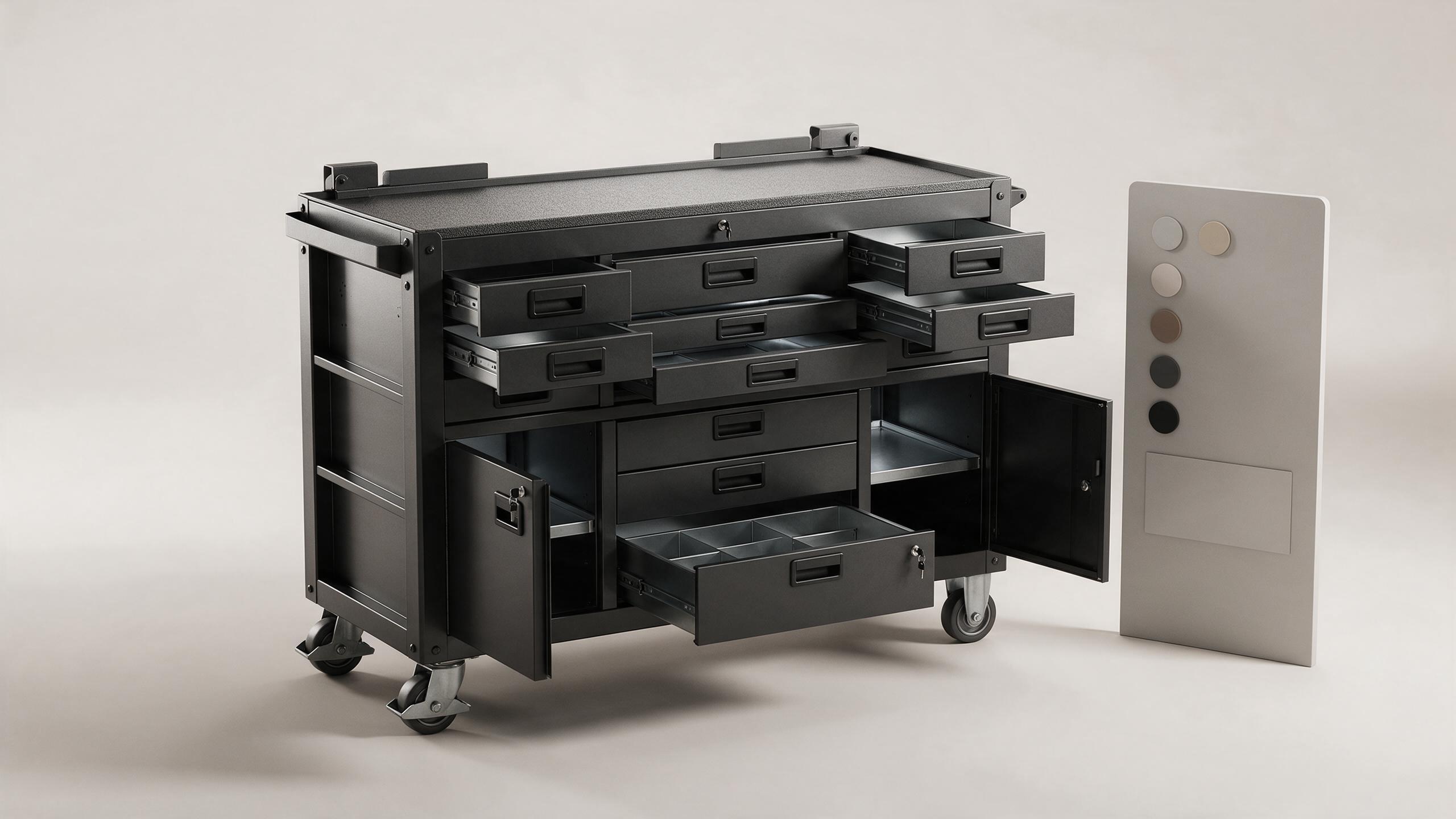
Instead of listing storage features, connect each choice to the selling task it changes. A mobile metal tool cabinet may be relevant where customers need tools to move between work areas; a fixed cabinet may suit a range designed around stable workstation storage. A tall cabinet can improve vertical use of space, but the decision should account for reach, placement, and door access. These are commercial and use-context questions that should be addressed before the distributor commits seasonal inventory.
For a line with regular replenishment, a repeatable configuration and a regular review cadence may be more useful than a large one-time commitment. For a branded launch or customer-specific project, the trigger may be an approved sample, artwork release, or complete packaging decision. In both cases, the order is easier to manage when the distributor distinguishes reserve stock from units expected to support immediate sales activity.
Build a Distributor Ordering Calendar
A practical calendar turns the discussion into action. Work backward from the period when the metal tool cabinet needs to be available for sale. Leave room for internal forecasting, supplier communication, configuration review, approval of OEM branding elements, logistics planning, receiving, and catalog or channel preparation. The calendar does not require a universal lead-time promise; it requires the distributor to map its own confirmed milestones and avoid compressing them into the last stage.
| Planning stage | Distributor decision | Evidence to review |
|---|---|---|
| Forecast review | Decide whether demand justifies replenishment or a custom program | Sales history, customer input, seasonal inventory position, open orders |
| Configuration review | Confirm which metal tool cabinet version serves the target segment | Product brief, intended use, storage role, approved changes |
| OEM branding review | Release a controlled brief for brand-specific details | Artwork, finish reference, labels, packaging information, approvers |
| Order release | Commit only after scope and commercial assumptions align | Current brief version, inventory rationale, quotation scope, internal approval |
| Pre-season check | Verify the arrival and sales-readiness plan | Receiving plan, channel information, reserved inventory, launch materials |
Ask a Supplier Questions That Make the Scope Comparable
For custom metal storage, the most useful supplier conversation is specific rather than promotional. Haiyang Libenli Metal & Technology describes its business around sheet-metal and pipe processing, metal furniture, precision manufacturing, and customized solutions. Those profile-supported capabilities can make it appropriate to discuss an OEM brief in detail, but the distributor should still request confirmation for every project-specific requirement.
Ask what information is needed to review the configuration, which drawings or artwork files should be submitted, how revisions are documented, and which elements require approval before production planning. That approach gives the distributor a clearer basis for comparing scope before price. It also helps separate a standard request from a customization point that needs additional review.
A Simple Rule for Timing a Custom Metal Tool Cabinet Order
Order a custom metal tool cabinet when two conditions are true: the inventory and demand case is strong enough to support the commitment, and the OEM brief is stable enough for a supplier to review without guessing. If seasonal inventory is the main driver, begin the decision before the sales peak so forecast, stock, incoming orders, and approvals can be considered together. If OEM branding is the main driver, release the order only after the responsible teams agree on the controlled product and artwork details.
The practical result is a more deliberate program: inventory is tied to selling demand, customization is tied to verified requirements, and the supplier conversation starts with a usable brief. For distributors, that is usually a stronger foundation than waiting for an urgent shortage and trying to finalize the custom details afterward.
 Hot News
